
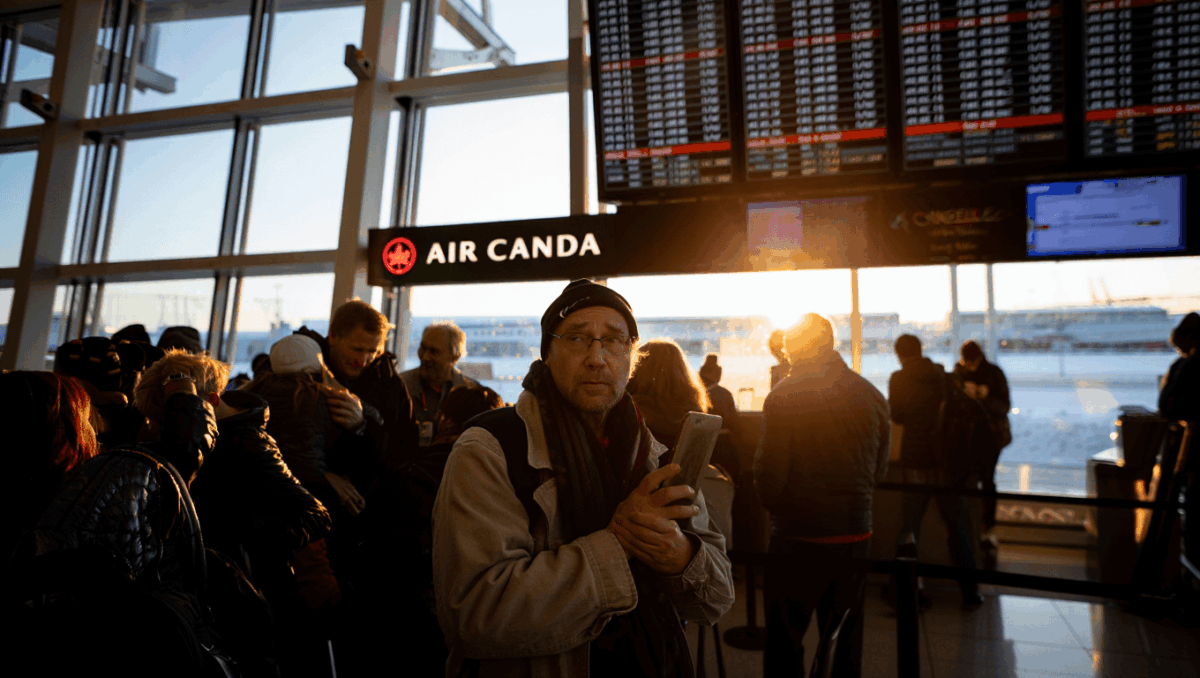
Air Canada faces its worst operational chaos of the new year as severe winter storms pummel major Canadian airports. The airline must navigate not just the weather crisis today, but growing questions about how it bounces back from cascading disruptions. What passengers need to know about rebooking, delays, and the road ahead.
🔥 Quick Facts
- 643 flight delays and 76 cancellations hit Canada’s airports on January 2-3, 2026
- Major hubs affected: Toronto Pearson, Montreal-Trudeau, Vancouver, Calgary, and Ottawa airports
- Air Canada represents 46 percent of delayed flights across major Canadian airports
- System-wide rebooking waiver issued through January 4, 2026 with free changes available
Massive Winter Storm Triggers Historic Flight Disruptions Across Canada
Intuit emerges as best software stock for 2026 while stock crashes to bargain levels analysts didn’t expect
2026 tax brackets shock Americans with hidden paycheck truth nobody expected
An Arctic weather system moved across Canada starting January 2, 2026, creating hazardous conditions that grounded hundreds of flights. Snow squalls, freezing rain, and strong winds reaching up to 80 kilometers per hour overwhelmed airport operations from coast to coast. Runways iced over, ground operations slowed dramatically, and staff shortages compounded the crisis as crews struggled to keep pace with deicing and runway clearing efforts.
The timing proved particularly challenging as the disruption occurred just as the first business week of 2026 was beginning. Thousands of passengers found themselves stranded at airports, rebooked on flights days away, or simply abandoned at the gate. Toronto Pearson alone reported 229 delays and dozens of cancellations, while Montreal experienced 109 delays and Vancouver saw 82 disruptions within hours.
Air Canada Bears Brunt of Operational Collapse
Marcus Lemonis takes CEO role at Bed Bath & Beyond with $25M cost-cutting plan and watch what industry experts are saying about his next move
SPX surges 34 points at open with shocking tech recovery, here’s what caused the unexpected Venezuela rally
As Canada’s flagship carrier, Air Canada absorbed the greatest share of the impact during the winter storm. The airline reported that approximately 29 percent of its flights faced delays while around 1 percent were cancelled system-wide. This meant thousands of individual passengers missed connections, sat on tarmacs, or lost holiday travel plans.
The chaos extended beyond flight counts. Passengers reported overflowing ticket counters, overwhelmed customer service lines, and hours-long waits for rebooking assistance. Many fliers found that rebooking options were scarce, with available flights filling instantly or pushing them to destinations days later. The airline’s operations recovery plan, which had already been strained by freezing runways and snow flurries in the previous week, collapsed entirely under this new pressure.
Travel Impact and Airport-by-Airport Breakdown
| Airport | Delays | Cancellations |
| Toronto Pearson (YYZ) | 229 | TBA |
| Montreal-Trudeau (YUL) | 109 | TBA |
| Vancouver (YVR) | 82 | TBA |
| Calgary (YYC) | 112 | TBA |
Weather alerts issued by Environment Canada covered nearly every province and territory on January 1, warning of heavy snow, freezing precipitation, and dangerous wind conditions. Roads quickly became impassable in multiple regions, and airport authorities declared operational emergencies. Domestic and international flights both faced significant delays as ground crews struggled with runway conditions and safety protocols.
Air Canada’s Response and Customer Relief Options
Responding to the operational crisis, Air Canada issued a system-wide rebooking waiver covering all flights from December 31, 2025 through January 4, 2026. The airline stated it would waive rebooking fees allowing passengers to reschedule on alternate dates or airlines without penalty. Customers can call Air Canada’s dedicated service line to request changes, though wait times exceeded several hours in the immediate aftermath.
The airline also activated its flight disruption policy, which permits unlimited changes within 48 hours of a disrupted flight. Passengers can explore options online through their accounts, contact service centers, or visit the Daily Travel Outlook page where Air Canada updates affected airports by region and date. For those seeking refunds rather than rebooking, fare rules and ticket type determine eligibility, but many economy tickets offer only travel credits.
What This Means for Your Travel Plans Over the Next 48 Hours?
Environment Canada forecasts indicate additional winter weather expected over the next 24-48 hours across key regions including Ottawa, Toronto, Montreal, and Quebec City. Westerly winds reaching up to 80 kilometers per hour may continue, and snow accumulations could add another 10-25 centimeters depending on location. Airports have activated emergency protocols and additional crews.
Passengers should verify flight status before heading to the airport by checking the Air Canada app, the airline’s website, or calling 1-888-422-7533. The rebooking waiver remains active through January 4, giving affected travelers a brief window for cost-free changes. However, with hundreds of flights already backed up, alternative options may involve significant delays or connections through distant hubs. Travelers planning to fly should consider rescheduling to mid-week (January 6-10) when weather conditions are expected to stabilize.
Sources
- Travel and Tour World – Real-time disruption counts and airport-specific impact data
- The Traveler – January 2, 2026 winter storm coverage and passenger stranding reports
- Environment Canada – Weather warnings, wind forecasts, and precipitation alerts

Patrick Graham is a business and finance journalist translating Wall Street’s complexities into stories that matter to everyday readers. With extensive experience in financial journalism and economic analysis, this expert journalist provides sharp insights on market trends, corporate developments, and the economic forces affecting daily life. His reporting helps readers make sense of the business world’s biggest moves.