
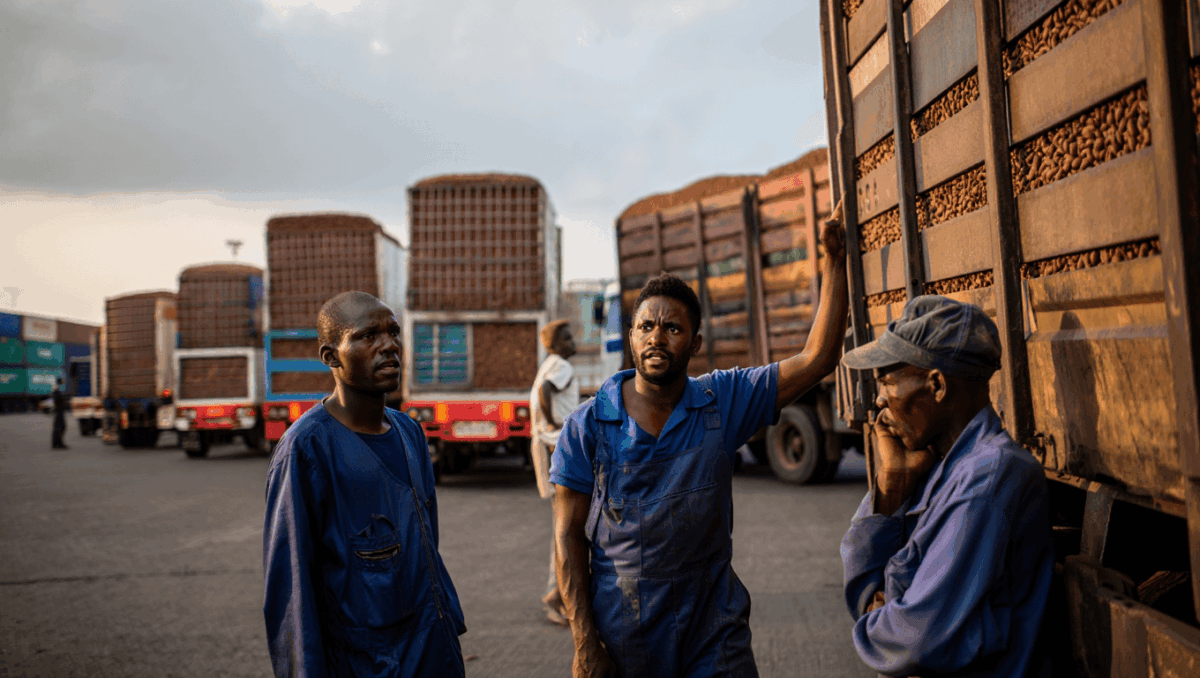
Ivory Coast faces a cocoa crisis as ports become congested with unsold beans while prices plummet. Falling international prices and a severe cash crunch among local exporters have triggered an unprecedented glut. The world’s top cocoa producer now confronts storage chaos, delayed shipments, and mounting economic pressure.
🔥 Quick Facts
- 100,000+ tons of cocoa beans recently stocked at Abidjan and San Pedro ports in a 3-week surge
- Cocoa prices have collapsed 42.64% year-over-year, dropping from $7,895 to $5,519 per metric ton
- 718,451 metric tons shipped from October 1 through December 5, 2025 in new marketing year
- Global cocoa surplus estimated at 7.6% above prior year supply with 4.3% decline in grinding demand
Port Congestion Threatens Supply Chain Operations
Intuit emerges as best software stock for 2026 while stock crashes to bargain levels analysts didn’t expect
2026 tax brackets shock Americans with hidden paycheck truth nobody expected
Abidjan and San Pedro ports are drowning in cocoa stockpiles. According to sources familiar with port operations, the weekly arrivals of cocoa beans have surged to over 100,000 tons in recent weeks. This represents shipping volumes substantially higher than typical December patterns.
Middlemen and farmers have flooded the ports with truckloads of beans searching desperately for buyers. The three-week congestion has created storage bottlenecks that threaten to worsen as the harvest season progresses into January. Port operators fear logistics breakdowns could damage bean quality and further depress prices.
Marcus Lemonis takes CEO role at Bed Bath & Beyond with $25M cost-cutting plan and watch what industry experts are saying about his next move
SPX surges 34 points at open with shocking tech recovery, here’s what caused the unexpected Venezuela rally
Exporters lack working capital to purchase beans at current farmgate prices. Many regional traders have exhausted credit lines and cannot finance stockpiling operations. This liquidity crisis prevents the normal purchase-and-export cycle that typically flows during peak harvest months.
Global Cocoa Market Collapses Under Surplus Supply
The International Cocoa Organization reported a stunning market reversal. After years of supply shortages, the global cocoa market now faces a 7.6% surplus compared to prior year volumes. Simultaneously, chocolate manufacturers have cut production by 4.3% due to elevated input costs.
Cocoa prices tumbled from record highs. In January 2025, futures exceeded $9,000 per ton. By December 2025, prices collapsed to approximately $5,500 per ton—a devastating 40% decline. The Coface economic research organization confirmed this dramatic pullback reflects expectations of bumper harvests and weakened demand.
Ivory Coast and Ghana control approximately 60% of global cocoa supply. Their combined output surge—driven by improved weather conditions and increased acreage—has overwhelmed international buyers who remain cautious about purchasing inventory at historically high price levels.
Farmer Income Squeeze Threatens Rural Livelihoods
| Market Factor | Details |
| Current Cocoa Price | $5,519 per metric ton as of December 5, 2025 |
| Year-Over-Year Decline | Down 42.64% from December 2024 |
| Peak Price (2025) | $9,000+ per ton in January 2025 |
| Global Market Surplus | 7.6% above previous season supply levels |
| Grinding Demand Decline | Down 4.3% year-over-year |
Small-scale farmers across Ivory Coast face immediate financial hardship. Many producers rely on cocoa as their primary income source and have taken on seasonal debt to fund cultivation. At current prices, revenues have collapsed while input costs remain elevated.
Cocoa farming families in rural western regions already struggle with poverty. According to Politico research, many cocoa farmers in Ivory Coast and Ghana earn less than $1 per day. The current price collapse threatens subsistence livelihoods and may force children out of school.
How the Price Collapse Reshapes Trade Dynamics
The unexpected glut reversed market psychology completely. Just two months ago, forecast improvements suggested cocoa prices might stabilize or rise moderately. Instead, anticipated stronger harvests triggered panic selling and speculative positioning that accelerated the decline.
Cocoa grind data from Ivory Coast revealed a 25.4% decline in processing volumes during October 2025. This suggests chocolate manufacturers have delayed purchases, hoping for further price reductions before committing capital. Uncertainty about year-end consumer demand has amplified buyer reluctance.
Exporters previously faced opposite challenges. Earlier in 2025, record-high prices constrained demand and disrupted supply chains. Now the pendulum has swung the opposite direction—excess supply and collapsing buyer confidence have created cash flow crises throughout the trading network.
Will Prices Stabilize or Continue Their Downward Spiral?
Market uncertainty clouds the outlook. Industry analysts debate whether current prices reflect sustainable equilibrium or temporary overshooting. Some economists predict prices may find support around $5,000 per ton if production remains strong and demand stabilizes.
The cocoa market now hinges on external factors. Global economic growth, chocolate consumption patterns, and harvest quality in Ivory Coast and Ghana will determine whether this glut persists through 2026. Port congestion may ease as exporters secure financing and buyers gradually increase purchases at current discount levels.
Meanwhile, Ivory Coast must navigate this crisis carefully. The government previously implemented 62.58% producer price increases to support farmers during the prior shortage. Maintaining farm viability while managing port chaos and export delays will test policymakers’ capacity for economic management in coming months.
Sources
- Bloomberg – Port congestion and cash shortage analysis published December 5, 2025
- International Cocoa Organization – Global surplus outlook and pricing statistics
- Coface Economic Research – Cocoa price collapse and market trends analysis

Patrick Graham is a business and finance journalist translating Wall Street’s complexities into stories that matter to everyday readers. With extensive experience in financial journalism and economic analysis, this expert journalist provides sharp insights on market trends, corporate developments, and the economic forces affecting daily life. His reporting helps readers make sense of the business world’s biggest moves.