
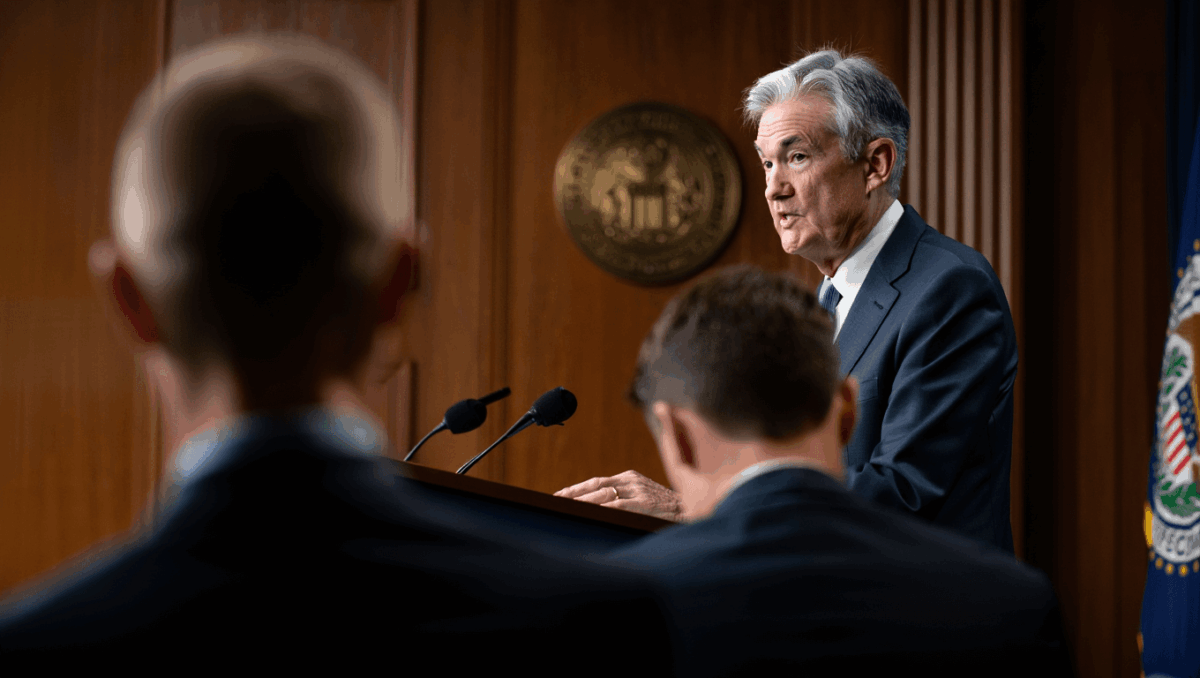
The Federal Reserve cut interest rates for the third time in 2025 today. The central bank approved a quarter-point reduction, bringing rates to 3.5%–3.75%. However, the decision revealed deep divisions within the committee about future policy.
🔥 Quick Facts
- The Fed cut rates by 25 basis points to the 3.5%-3.75% range
- This was the third rate cut of 2025, following reductions in September and October
- Three FOMC members dissented, marking unusual internal disagreement about policy direction
- Projections show only one additional rate cut expected in 2026, signaling a dramatic slowdown
What the Rate Cut Means for Your Wallet
Intuit emerges as best software stock for 2026 while stock crashes to bargain levels analysts didn’t expect
2026 tax brackets shock Americans with hidden paycheck truth nobody expected
Lower interest rates can reduce mortgage costs, auto loan payments, and credit card rates. The Fed’s decision today makes borrowing slightly cheaper for American consumers and businesses. Savers will see continued pressure on account yields as banks lower deposit rates in response.
The cumulative impact of three cuts this year totals 75 basis points of relief for borrowers. However, the committee’s signals about slower future cuts suggest that financial relief may be ending. Banks and lenders will adjust their pricing based on expectations for the coming year.
The Internal Fed Battles Creating Market Uncertainty
Marcus Lemonis takes CEO role at Bed Bath & Beyond with $25M cost-cutting plan and watch what industry experts are saying about his next move
SPX surges 34 points at open with shocking tech recovery, here’s what caused the unexpected Venezuela rally
The Fed’s December decision revealed the most divided voting pattern in 2025. Three policymakers dissented, with Chicago Federal Reserve officials reportedly pushing back against further cuts. This level of disagreement is unusual for the FOMC, which typically strives for consensus decisions.
The dissents highlight a critical debate within the Fed itself. Some members believe the central bank should pause or stop cutting rates as economic growth strengthens. Others remain concerned about inflation remaining stubbornly elevated. Fed Chair Jerome Powell described the committee as “well positioned to wait and watch” before making additional moves.
Why Inflation Remains the Central Challenge
| Economic Factor | Fed Assessment |
| Inflation Target | 2 percent (long-term goal) |
| Current Inflation Status | Remains above target through 2025 |
| Future Outlook | Inflation expected to stay elevated until 2028 |
| Jobs Market | Continuing to grow, with strong employment |
Inflation has proven stickier than the Fed initially expected. Consumer prices remain above the Fed’s 2% target as of late 2025. The committee’s updated economic projections suggest inflation will not reach the target until well into 2028, a significant delay from earlier expectations.
Strong economic growth and persistent inflation explain why the Fed is pumping the brakes on rate cuts. The labor market continues to show resilience, reducing urgency for aggressive stimulus. This combination of factors—solid growth plus sticky inflation—makes multiple cuts unlikely in 2026 and beyond.
What the Slower Cutting Pace Signals for 2026 and Beyond
The Fed’s projections delivered a shock to markets: only one rate cut is expected in 2026. This represents a dramatic reversal from the three cuts delivered in 2025. Investors had hoped for more aggressive easing to support economic growth and asset valuations.
The shift reflects growing confidence in the economy’s resilience. The Fed now believes fewer rate cuts are necessary to maintain full employment and price stability. Some economists worry this approach could slow growth if business investment and consumer spending soften. However, Fed officials appear more concerned about inflation accelerating than recession risks.
What happens next as the Federal Reserve pauses its rate cutting cycle?
The January 2026 FOMC meeting will set the tone for the coming year. Markets will watch carefully for any hints about timing and magnitude of the next cut. Powell’s press conference signals revealed a “patient” approach, suggesting the Fed will wait for clearer inflation progress before moving again.
The December decision likely marks the end of aggressive rate cuts. 2026 will be a year of “wait and see” for the Fed, according to Powell’s remarks. If inflation accelerates or the labor market cools dramatically, the committee could revise expectations. But current Fed thinking expects rates to hold steady for most of 2026, with perhaps a single quarter-point reduction later in the year if conditions warrant it.
“We’re well positioned to wait and watch,” Powell said about the Fed’s next moves on monetary policy.
— Jerome Powell, Federal Reserve Chair
Sources
- CNBC – Comprehensive reporting on Fed decision and economic outlook
- Reuters – Analysis of FOMC dissents and 2026 rate projections
- The New York Times – Market reaction and policy implications

Patrick Graham is a business and finance journalist translating Wall Street’s complexities into stories that matter to everyday readers. With extensive experience in financial journalism and economic analysis, this expert journalist provides sharp insights on market trends, corporate developments, and the economic forces affecting daily life. His reporting helps readers make sense of the business world’s biggest moves.