
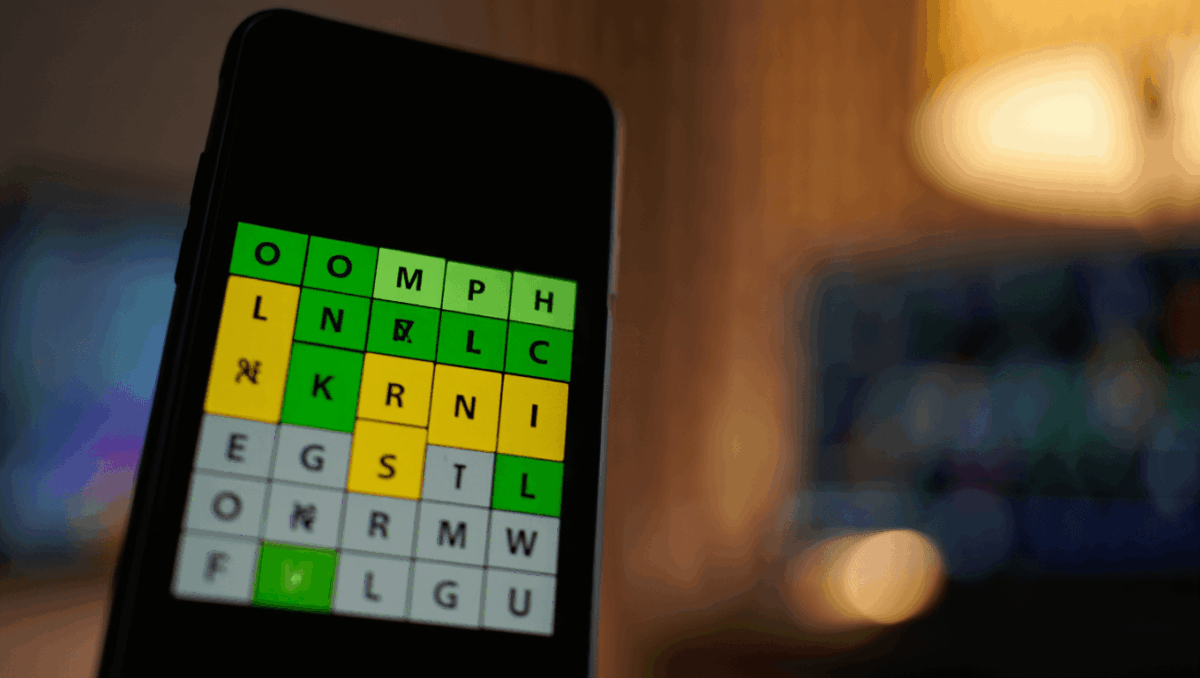
Need Wordle help for January 6, 2026? Today’s puzzle (#1662) features a word that means power, energy, and vitality. If you’re stumped by this tricky term, our hints and solution guide will help you solve it before your streak ends.
🔥 Quick Facts
- Today’s Wordle is puzzle #1662 for Tuesday, January 6, 2026
- The word starts with the letter O and means pizzazz or vigor
- This word appears in The New York Times word list with moderate difficulty
- Use strong starting words like SLATE, CRANE, or ADIEU to eliminate common letters first
What Today’s Wordle Hint Means for January 6
Prime Day gaming deals drop early: save as much as 50% on Switch, PS5 and gaming PCs
Gears of War: E-Day delivers explosive over-the-top action for Xbox owners
The hint for today’s Wordle #1662 focuses on energy and enthusiasm. Think about words describing pizzazz, vigor, or liveliness. This puzzle requires you to recognize a common English word that captures the essence of vibrant personality or energetic force.
If you’re working through your guesses, focus on placing the O at the beginning. The structure includes two doubled letters, which narrows possibilities significantly. Don’t rush through your attempts because this word pattern appears frequently in Wordle puzzles.
Five Proven Strategies for Cracking Today’s Puzzle
Gears of War: E-Day on PC gets Nvidia RTX Mega Geometry and stunning visual upgrade
Wordle Oct. 3 answer could wipe out streaks: how one tough word is tripping players
The best Wordle strategy starts with a strong opening word containing vowels and common consonants. Words like SLATE, CRANE, or ADIEU eliminate letters efficiently.
Once you’ve narrowed down the available letters, pay attention to letter placement. For today’s puzzle, identifying that first letter will immediately point you toward the solution. Use yellow letters to determine wrong placements.
The New York Times recommends tracking which letters appear in previous puzzles. January’s words often follow certain patterns, making observation your strongest tool. Mark letters that failed to produce yellow or green results and avoid them in subsequent guesses.
Color Coding System Explained for Wordle Players
Green tiles mean the letter is correct and in the right position. Yellow tiles indicate the letter exists in the answer but belongs elsewhere. Gray tiles show letters that don’t appear in today’s word at all.
Understanding this system transforms Wordle from random guessing into strategic deduction. Each guess provides information about letter placement and elimination opportunities. Pay closest attention to green tiles because they anchor your solving strategy.
| Strategy Element | Best Practice |
| First Guess | Use SLATE, CRANE, or ADIEU to test vowels and common consonants |
| Letter Tracking | Mark gray tiles to remember eliminated letters across all remaining guesses |
| Vowel Identification | Test A, E, I, O, U in different positions quickly since most words contain vowels |
| Common Consonants | Prioritize S, T, R, N, L as these appear frequently in American English |
| Guess Flexibility | Don’t repeat letters from gray tiles and test new combinations each time |
Understanding Why Today’s Word Challenges Wordle Players
This word tests your recognition of familiar English vocabulary within the Wordle constraint of five letters. Many players overlook the double-letter pattern that appears in this puzzle. The O starting position isn’t uncommon, but the ending combination makes players second-guess their answers.
January puzzles tend toward moderately difficult solutions that aren’t obscure but require careful elimination. The New York Times Wordle avoids impossible vocabulary while maintaining challenge levels. This particular word appears in everyday conversation about personality traits and descriptive language.
“The best tip I can give is to use one of the best Wordle start words. I can’t stress this enough — it makes a massive difference.”
— Tom’s Guide, Game Strategy Analysis
How Can You Extend Your Wordle Winning Streak This Week?
Consistency builds mastery in Wordle puzzle solving. Playing daily strengthens your pattern recognition and letter-frequency knowledge. Over time, you’ll develop intuition about which letter combinations work in English.
Track your statistics across multiple puzzles to identify personal weak spots. Some players struggle with uncommon consonant combinations while others miss obvious vowel placements. Understanding your tendencies helps you focus on strategic improvements.
Share your results without spoilers to build community engagement around Wordle daily challenges. The puzzle generates discussion across social media platforms where players compare strategies and celebrate victories together.
Sources
- The New York Times – Official Wordle game and daily puzzle
- Mashable – Wordle hints and strategy guides
- CNET – Daily puzzle analysis and solving tips

Annabelle Ink is a gaming journalist and lifelong gamer who lives and breathes video game culture. From console releases to esports tournaments, this dedicated journalist brings insider knowledge and genuine enthusiasm to every review and feature. Her expertise spans multiple gaming platforms, helping readers discover their next favorite game while staying connected to the pulse of the gaming industry.