
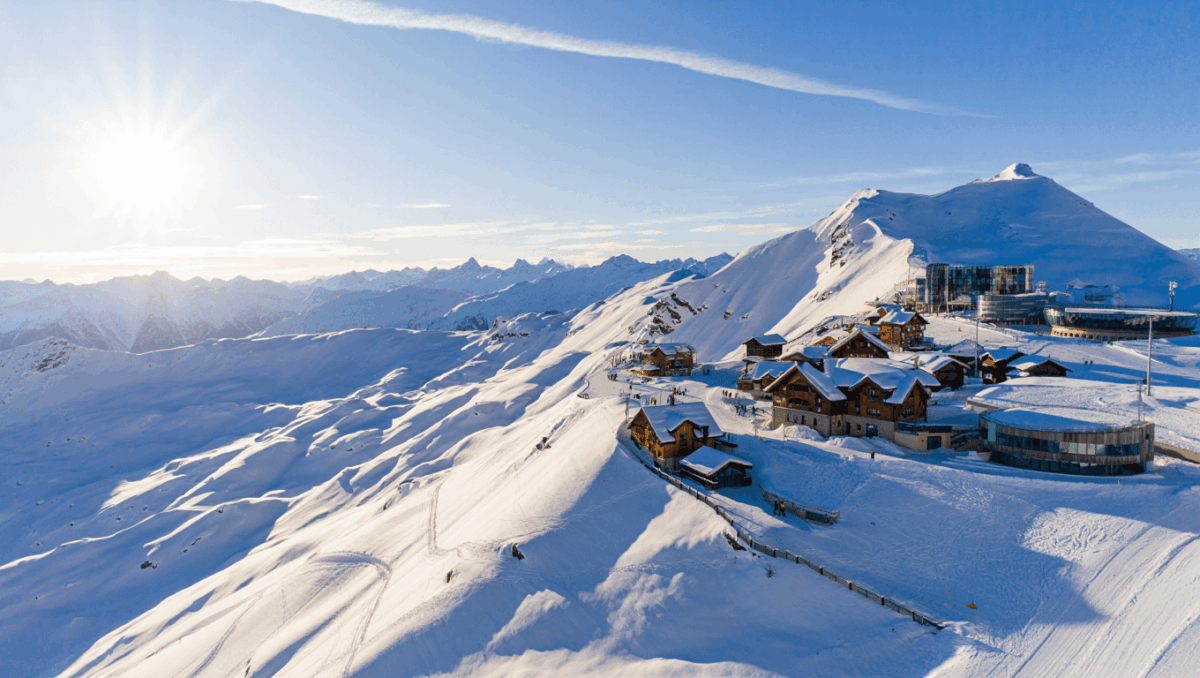
The 2030 Winter Olympics heads to the French Alps, blending cutting-edge innovation with centuries of alpine tradition. This historic event, scheduled for February 1-17, 2030, marks France’s triumphant return after 38 years. The Games will stretch across four stunning regional clusters, combining existing venues with breakthrough sustainability practices never attempted before.
🔥 Quick Facts
- Dates: February 1-17, 2030 for Olympic Games, March 1-17 for Paralympics
- Location: Spread across Nice, Briançon, Haute-Savoie, and Savoie in the French Alps
- Historic Milestone: First Winter Olympics closing ceremony held on a beach (Nice’s Promenade des Anglais)
- Sustainability Focus: First Games to fully integrate Olympic Agenda 2020 and 2020+5 principles
Four Clusters Span from Mountain Peaks to Mediterranean
World Baseball Classic 2026 bracket revealed: which teams advance and when to watch
World Cup 2026: three teams set to inherit Iran’s qualification spot
The 2030 Winter Olympics spans an ambitious geographic footprint across France’s most iconic regions. Nice on the French Riviera will host all ice sports including figure skating, speed skating, ice hockey, and curling at temporary venues along the stunning coastline. Haute-Savoie cluster handles alpine skiing and ski jumping. Savoie features La Plagne, which will host bobsleigh and luge on a track previously used in Albertville 1992, plus snowboarding and freestyle skiing. Briançon adds freestyle skiing at Serre Chevalier.
This distributed model maximizes use of existing world-class venues, reducing environmental impact and construction waste. The 600-kilometer interconnected ski area between Courchevel, Méribel, and Val Thorens offers athletes and spectators unparalleled mountain access and experience.
Tech Meets Tradition in French Alps Legacy
Caitlin Clark powers Team USA to dominant win over Senegal in FIBA World Cup qualifier opener
USA moves into WBC quarterfinals after Italy stuns Mexico
France’s Winter Olympics heritage runs deep. The country hosted the inaugural Winter Games in 1924, plus events in 1968 and 1992. Albertville 1992 left lasting infrastructure improvements, from modernized transport systems to cultural centers that still benefit locals. 2030 aims for even greater lasting impact through innovation. The Games organizers are pursuing carbon-neutral operations and cutting-edge sustainability strategies. Technology partnerships will deliver enhanced athlete monitoring, spectator engagement via digital platforms, and smart venue management reducing energy consumption. Several 1992 venues return, including Courchevel’s ski jump and Méribel’s Roc de Fer alpine course, proving Olympic infrastructure can thrive across decades when properly maintained.
Venues and Competition Structure
| Region | Key Venue | Sports |
| Haute-Savoie (Chamonix area) | Val d’Isère, Courchevel | Alpine Skiing, Ski Jumping |
| Savoie (La Plagne) | La Plagne, Méribel | Bobsleigh, Luge, Snowboarding, Freestyle |
| Briançon | Serre Chevalier | Freestyle Skiing, Snowboarding |
| Nice (Closing Ceremony) | Promenade des Anglais | Ice Sports, Closing Ceremony |
“French Alps 2030 will be the first edition of the Olympic and Paralympic Winter Games to fully integrate the principles of Olympic Agenda 2020 and 2020+5.”
— International Olympic Committee, Official Statement
Breaking Tradition with Beach Closing Ceremony
The 2030 closing ceremony will make Olympic history. Nice’s iconic Promenade des Anglais along the Mediterranean will host the celebration, marking the first Winter Olympics closing ceremony outside a traditional stadium. This bold choice reflects French creativity and the Games’ theme of blending alpine peaks with coastal beauty. Stadium-free designs reduce construction footprint and create unforgettable public spaces. The ice sports venues in Nice will showcase figure skating, speed skating, ice hockey, and curling. The opening ceremony location remains undecided, though Chamonix, Grenoble, and Albertville are under consideration.
Will the French Alps 2030 Winter Olympics Redefine Winter Sports?
The 2030 Games represent a pivot point for Olympic sustainability. With climate change threatening traditional winter sports locations, these Games demonstrate how existing infrastructure combined with advanced snowmaking and climate adaptation strategies can protect winter sports’ future. Four-year preparation timelines allow unprecedented technology integration for athlete safety and fan experience. Olympic Agenda 2020 principles emphasize using existing venues, reducing waste, and leaving communities stronger post-Games. The French Alps 2030 will test these commitments at scale, potentially setting the blueprint for all future Winter Olympics as climate pressures intensify globally.
Sources
- International Olympic Committee – Official French Alps 2030 host information and vision documents
- BBC Sport – 2030 Winter Olympics dates, venues, and closing ceremony details
- Wikipedia – Comprehensive 2030 Winter Olympics schedule and venue information

Michael Brown is a seasoned sports journalist bringing years of experience covering professional athletics and sporting culture. With a keen eye for breaking stories and player dynamics, this veteran journalist delivers in-depth analysis and exclusive insights from the world’s biggest sporting events. His passion for the game shines through in every story, keeping fans connected to the action both on and off the field.