
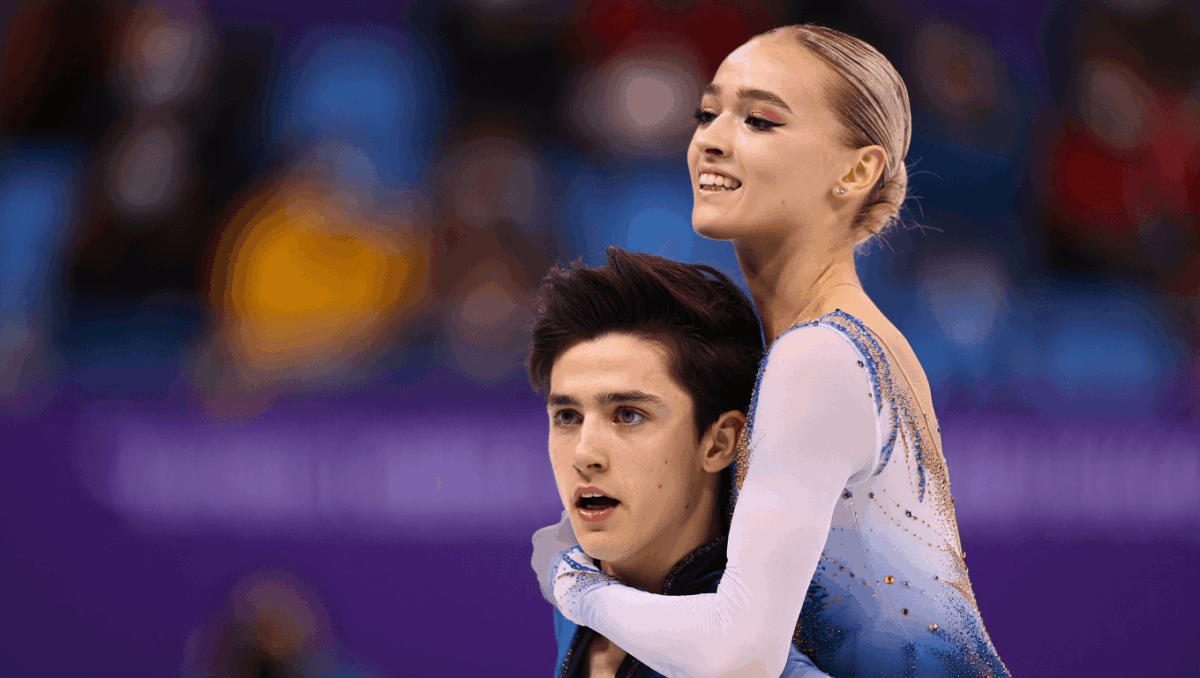
Germany’s Hase and Volodin dominate the pairs short program with a stunning personal best of 80.01, seizing control in Milan. In their Olympic debut, the dynamic duo delivered a flawless performance while all major rivals stumbled. Do they have what it takes to claim gold Monday night?
🔥 Quick Facts
- Hase/Volodin: Germany leads with 80.01 point personal best on February 15
- Five-point gap: Metelkina/Berulava from Georgia sits second with 75.46
- Projected favorites: Japan’s reigning World champions Miura/Kihara placed fifth with 73.11
- Free skating: Decision happens Monday at 8 PM local time in Milano Cortina
Flawless German Duo Seizes Control in Stunning Debut
World Baseball Classic 2026 bracket revealed: which teams advance and when to watch
World Cup 2026: three teams set to inherit Iran’s qualification spot
Minerva Fabienne Hase and Nikita Volodin made a dramatic statement Sunday night at the Winter Olympics. The German pair executed a clean, masterful short program to edge out every other team competing. Their 80.01 score represents a career high and an Olympic personal best that put them firmly in command. The ISU World silver medalists proved they belong among the elite pairs competing for gold Monday.
What made their performance stand out wasn’t just the score, but the execution under pressure. While other top contenders battled mistakes and falls, Hase and Volodin delivered precision and artistry combined. Their choreography to elegant music demonstrated control through every element. The 5-point lead entering the free skate gives them a significant but not insurmountable cushion.
Defending Champions Stumble, Opening the Door Wide
Caitlin Clark powers Team USA to dominant win over Senegal in FIBA World Cup qualifier opener
USA moves into WBC quarterfinals after Italy stuns Mexico
Japan’s Riku Miura and Ryuichi Kihara, the reigning World champions, posted a disappointing 73.11 points to finish fifth. This unexpected result shocked observers who expected the Japanese pair to challenge for medals. Their placement created a major opening for other contenders. Metelkina and Berulava of Georgia capitalized with a solid 75.46 to claim second place after the short program.
Canada’s Pereira and Michaud rounded out the podium positions with 74.60 points. The competitive field means nothing is decided until the free skate Monday. Any team can still change the outcome with an exceptional performance. Mistakes from the defending champions make this year’s competition unusually wide open and unpredictable.
Short Program Standings and Storylines Heading Forward
| Position | Pair Name | Country | Score |
| 1st | Hase/Volodin | Germany | 80.01 |
| 2nd | Metelkina/Berulava | Georgia | 75.46 |
| 3rd | Pereira/Michaud | Canada | 74.60 |
| 4th | Pavlova/Sviatchenko | Russia | 73.87 |
| 5th | Miura/Kihara | Japan | 73.11 |
“In their Olympic debut, the German duo throw down an 80.01 to take a five-point cushion into the free skating program on Monday.”
— Official Olympics, Milano Cortina 2026
What Separates the Contenders Going Into Monday’s Free Skate
The free skate program offers completely different challenges than the short program. Teams can chase down Hase and Volodin’s lead with bold technical elements and choreography. Metelkina and Berulava earned the 2026 European championship title earlier this season, proving they have the skill to mount a comeback. Their 4.55-point deficit is significant but achievable with an excellent performance and potential mistakes from the German leaders.
Pereira and Michaud represent another threat, sitting just 0.86 points behind Georgia. The tight bunching in positions two through five means the final outcome remains genuinely uncertain. Miura and Kihara will need an exceptional free skate to overcome their deficit as defending champions. The four-minute plus free program favors teams with superior endurance and consistency under pressure Monday evening.
Will Hase and Volodin Hold On for Germany’s First Olympic Gold in Pairs?
The German pair’s challenge now becomes defending their lead, not attacking it. Free skating places enormous demands on athletes who must maintain precision across four minutes of choreography. One mistake, one under-rotated jump, or one fall could cost them the gold medal. Their personal best performance in the short program proves they have the championship mentality needed to deliver under Olympic pressure. But the margin for error is razor-thin against hungry competitors below them.
Can Hase and Volodin execute another clean program Monday to secure Germany’s first pairs title in over a decade? Will defending champions Miura and Kihara mount a dramatic comeback? These questions will be answered when the free skate begins at 20:00 Monday evening in Milan. The result promises to be one of the most thrilling moments of these Winter Games.
Sources
- Official Olympics, Winter Olympics 2026 figure skating pairs results and analysis
- ESPN Olympics, Real-time coverage and expert commentary on pairs competition
- Forbes SportsMoney, Olympic pairs short program final standings and predictions

Michael Brown is a seasoned sports journalist bringing years of experience covering professional athletics and sporting culture. With a keen eye for breaking stories and player dynamics, this veteran journalist delivers in-depth analysis and exclusive insights from the world’s biggest sporting events. His passion for the game shines through in every story, keeping fans connected to the action both on and off the field.