
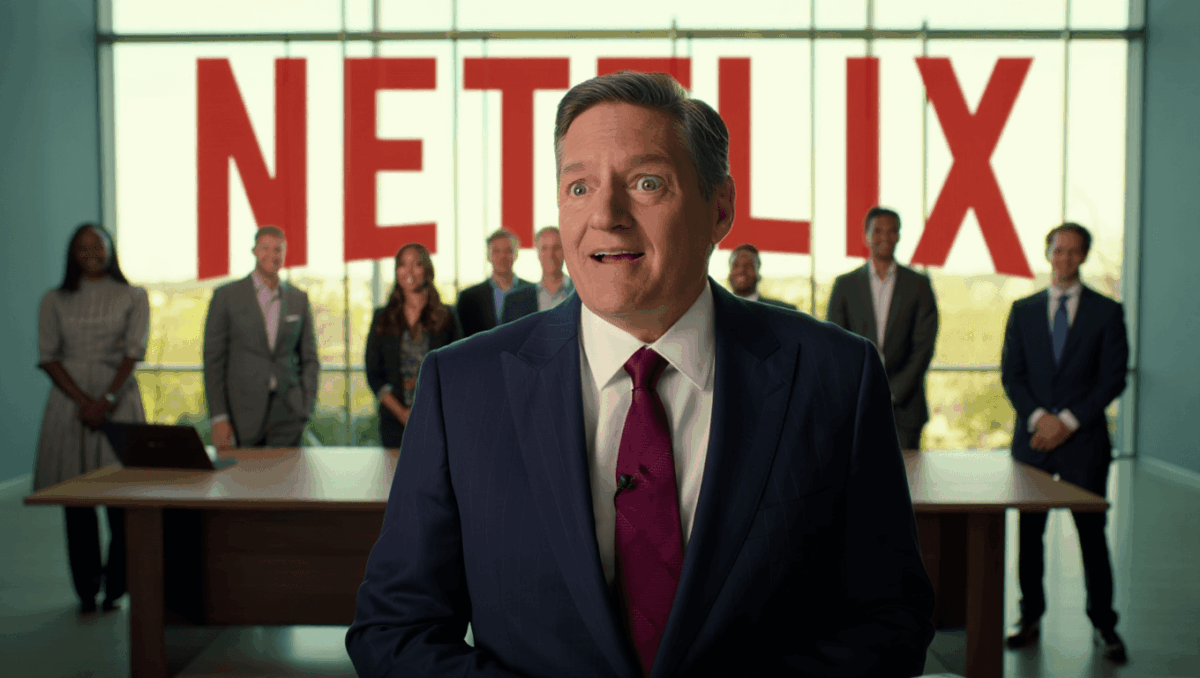
Netflix has agreed to buy Warner Bros Discovery‘s TV and film studios and streaming division for $72 billion in a landmark deal announced December 5, 2025. This historic acquisition combines two entertainment giants and reshapes the power balance in Hollywood. The market reacted swiftly, with Warner Bros shares jumping while Netflix faced investor skepticism about the mammoth deal.
🔥 Quick Facts
- Deal value: $72 billion in equity, $82.7 billion including debt
- Per-share price: $23.25 in cash plus $4.50 in Netflix stock per share
- Content assets: Netflix gains Game of Thrones, DC Comics, Harry Potter franchises
- Expected closing: Third quarter of 2026, after Warner Bros spins off Discovery Global
Netflix Seizes Hollywood’s Crown Jewel in Bidding War Victory
Intuit emerges as best software stock for 2026 while stock crashes to bargain levels analysts didn’t expect
2026 tax brackets shock Americans with hidden paycheck truth nobody expected
The announcement on Friday capped a weeks-long bidding war that saw Paramount Skydance and Comcast competing for the prize. Netflix’s nearly $28-per-share offer decisively beat Paramount’s $24 bid for the entire company. Industry analysts believe Netflix prioritized locking up long-term rights to hit franchises while diversifying beyond streaming.
Warner Bros Discovery shares closed at $24.50 on December 4, giving the company a market value of $61 billion before the deal announcement. The market quickly repriced the stock upward when the agreement became public. Netflix co-CEO Ted Sarandos issued a statement emphasizing the strategic fit.
Historic Franchises Transfer to Netflix Control
Marcus Lemonis takes CEO role at Bed Bath & Beyond with $25M cost-cutting plan and watch what industry experts are saying about his next move
SPX surges 34 points at open with shocking tech recovery, here’s what caused the unexpected Venezuela rally
The acquisition gives Netflix ownership of some of entertainment’s most valuable intellectual properties. Warner Bros’ portfolio includes the Game of Thrones universe, DC Comics superhero brands, Harry Potter films and franchises, HBO Max streaming service, and hundreds of theatrical films.
Netflix said it will maintain Warner Bros’ theatrical film releases to ease concerns about streamers abandoning cinemas. The company expects to generate $2 billion to $3 billion in annual cost savings by the third year after closing. This marks Netflix’s first major studio acquisition and signals the company’s shift toward owning content rather than licensing it.
| Deal Component | Details |
| Equity Value | $72 billion |
| Enterprise Value (with debt) | $82.7 billion |
| Per Share Consideration | $23.25 cash + $4.50 Netflix stock |
| Stock Payment Percentage | Cash-and-stock structure |
| Expected Close | Q3 2026 (post-spinoff) |
Regulatory Hurdles and Theater Industry Concerns Emerge
The deal faces significant antitrust scrutiny from U.S. and European regulators who worry about market concentration. Netflix combined with HBO Max’s 130 million subscribers would create a streaming giant with unprecedented control. Movie theater operators expressed alarm that the deal could eliminate 25% of annual domestic box office revenue.
Paramount Global, which launched the initial bidding war, questioned the sale process through formal letters to Warner Bros Discovery, suggesting favorable treatment toward Netflix. Industry unions joined concerns about job losses and consolidation. Netflix pledged to maintain theatrical releases and lock in long-term cost savings to address these worries.
“Together, we can give audiences more of what they love and help define the next century of storytelling.”
— Ted Sarandos, Netflix Co-CEO
Wall Street Reactions Reveal Investor Concerns and Optimism
Netflix shares decline 3% in premarket trading after the announcement, suggesting investor skepticism about the massive debt load and integration risks. Meanwhile, Warner Bros Discovery stock jumped 3.1% as shareholders recognized the premium valuation Netflix offered. Paramount dropped 2.2% after losing the bidding war to the streaming leader.
The divergent stock reactions reflect broader market sentiment about consolidation and streaming landscape transformation. Some analysts view the acquisition as necessary for Netflix to compete long-term against Disney and other media giants. Others worry the company overpaid and diluted shareholder value by issuing stock for the deal.
What Does This Merger Mean for Hollywood’s Future and Streaming Wars?
The Netflix-Warner Bros deal fundamentally reshapes entertainment industry power dynamics. The streaming wars that consumed the past five years are consolidating into a battle between fewer, larger players with massive content libraries. Discovery Global, which spins off as a separate company, will contain linear cable networks like HGTV and Food Network.
Industry observers debate whether the consolidation benefits consumers or locks them into expensive bundled services. Netflix’s promise to maintain theatrical releases suggests streaming services may reverse course on cinema abandonment. Regulatory approval remains uncertain, but if successful, this deal signals an era of mega-acquisitions as streamers mature and focus on profitability over subscriber growth alone.
Sources
- Reuters – Netflix acquisition agreement and deal terms
- Netflix official announcement – Strategic rationale and CEO statements
- Bloomberg, CNN, BBC – Market reactions and industry implications

Patrick Graham is a business and finance journalist translating Wall Street’s complexities into stories that matter to everyday readers. With extensive experience in financial journalism and economic analysis, this expert journalist provides sharp insights on market trends, corporate developments, and the economic forces affecting daily life. His reporting helps readers make sense of the business world’s biggest moves.