
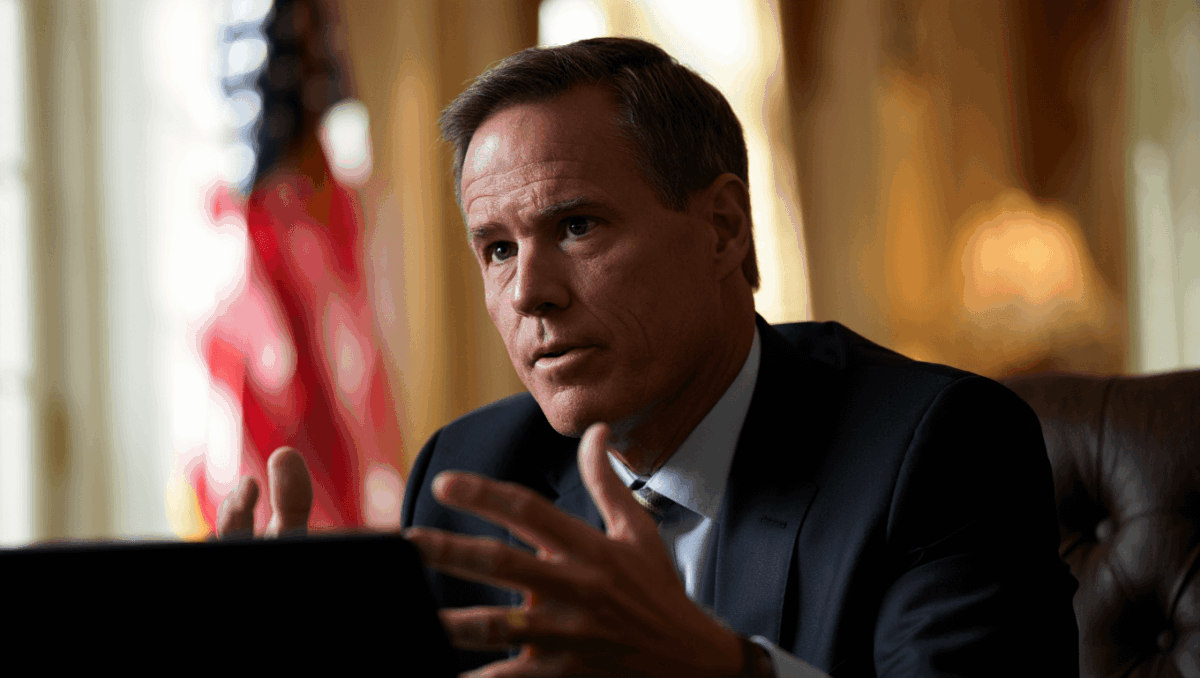
Scott Bessent divested from his soybean farm holdings this past week to comply with his federal ethics agreement, signaling renewed urgency around agriculture support. The Treasury Secretary made the announcement Sunday on a national news program, confirming he shed the farm investments ahead of the December 15 deadline.
🔥 Quick Facts
- Bessent divested soybean farm holdings this week to meet ethics agreement requirements
- The Office of Government Ethics had set a December 15, 2025 deadline for divestiture
- Bessent acknowledged farmers still need federal support despite trade challenges with China
- The Treasury Secretary previously delayed divestment, prompting ethics office warnings in August 2025
Bessent’s Farm Holdings and Ethics Obligations
Intuit emerges as best software stock for 2026 while stock crashes to bargain levels analysts didn’t expect
2026 tax brackets shock Americans with hidden paycheck truth nobody expected
Treasury Secretary Scott Bessent held significant agricultural investments in North Dakota farmland through his family entities. His holdings created potential conflicts of interest given his role overseeing federal economic policy. The Office of Government Ethics required divestment of these assets within 90 days of his January 2025 confirmation.
Bessent initially released statements in August 2025 claiming he had divested 96% of required assets. However, his North Dakota farmland investments remained problematic under the ethics agreement. Despite earlier commitments, the Treasury Secretary only recently shed these specific holdings to achieve full compliance.
Years of Delays and Compliance Pressure
Marcus Lemonis takes CEO role at Bed Bath & Beyond with $25M cost-cutting plan and watch what industry experts are saying about his next move
SPX surges 34 points at open with shocking tech recovery, here’s what caused the unexpected Venezuela rally
The path to divestment proved contentious. Ethics watchdogs raised concerns throughout 2025, noting that Bessent had repeatedly delayed selling agricultural and other prohibited assets. The combination of farmland investments and his Treasury Secretary position created apparent conflicts regarding agricultural policy decisions and China trade negotiations affecting soybean markets.
By August 2025, the situation had escalated enough that the ethics office formally warned Bessent about his non-compliance record. Campaign legal centers and government watchdog groups publicly demanded faster divestment timelines. These pressures ultimately prompted the December divestiture action.
| Compliance Milestone | Details |
| Confirmation Date | January 27, 2025 |
| Ethics Deadline | December 15, 2025 |
| Divestment Date | Week of December 7, 2025 |
| August Warning | Office of Government Ethics formal alert issued |
Bessent Signals More Farm Support Needed
Beyond confirming his divestment, Bessent emphasized that farmers face serious challenges requiring federal assistance. He stated he understands agricultural sector pain, acknowledging the difficulties caused by China trade tensions and soybean market volatility. The Treasury Secretary positioned himself as knowledgeable about farming despite the wealth that separated him from average agricultural producers.
His comments reflected broader administration discussions about agriculture support programs. While Bessent holds no formal agriculture role, his Treasury position influences tariff policies and international trade disputes that directly impact commodity prices. Farmers across the Corn Belt remain vulnerable to trade war escalation and weather disruptions.
What the Divestment Means for Treasury Policy
The completion of Bessent’s farm divestment removes a potential ethical conflict from his Treasury role. However, questions persist about whether agricultural interests influenced earlier policy decisions. The delayed compliance timeline raised eyebrows among ethics experts and congressional Democrats who questioned his commitment to conflict-of-interest rules.
Moving forward, Bessent operates without farmland holdings that could benefit from specific Treasury or tariff policy decisions. This positions him to address farm issues more credibly in administration discussions, though critics argue the divestment occurred far too late in his tenure to repair reputational damage among agricultural communities concerned about his prior financial entanglements.
“I actually just divested it this week as part of my ethics agreement, so I’m out of that business.”
— Scott Bessent, Treasury Secretary
Will Farmer Concerns about Treasury Leadership Persist?
Agricultural leaders have expressed frustration with Bessent’s approach to farmland holdings throughout 2025. His earlier claims of 96% divestment while maintaining soybean farm investments undermined credibility with rural communities. The final divestment action arrives too late to fully resolve farmer skepticism about his priorities.
Looking ahead, Bessent must rebuild trust through concrete support announcements and policy actions benefiting agriculture. His acknowledgment that farmers need more federal help represents a start, but the eight-month delay in divesting farm assets created lasting doubts about his commitment to agricultural sector welfare.
Sources
- Axios – Bessent sells soybean farm, acknowledges farmers still need federal support
- CBS News – Face the Nation transcript featuring Treasury Secretary Bessent’s divestment announcement
- New York Times – Bessent divested from soybean farms after ethics office guidance

Patrick Graham is a business and finance journalist translating Wall Street’s complexities into stories that matter to everyday readers. With extensive experience in financial journalism and economic analysis, this expert journalist provides sharp insights on market trends, corporate developments, and the economic forces affecting daily life. His reporting helps readers make sense of the business world’s biggest moves.