
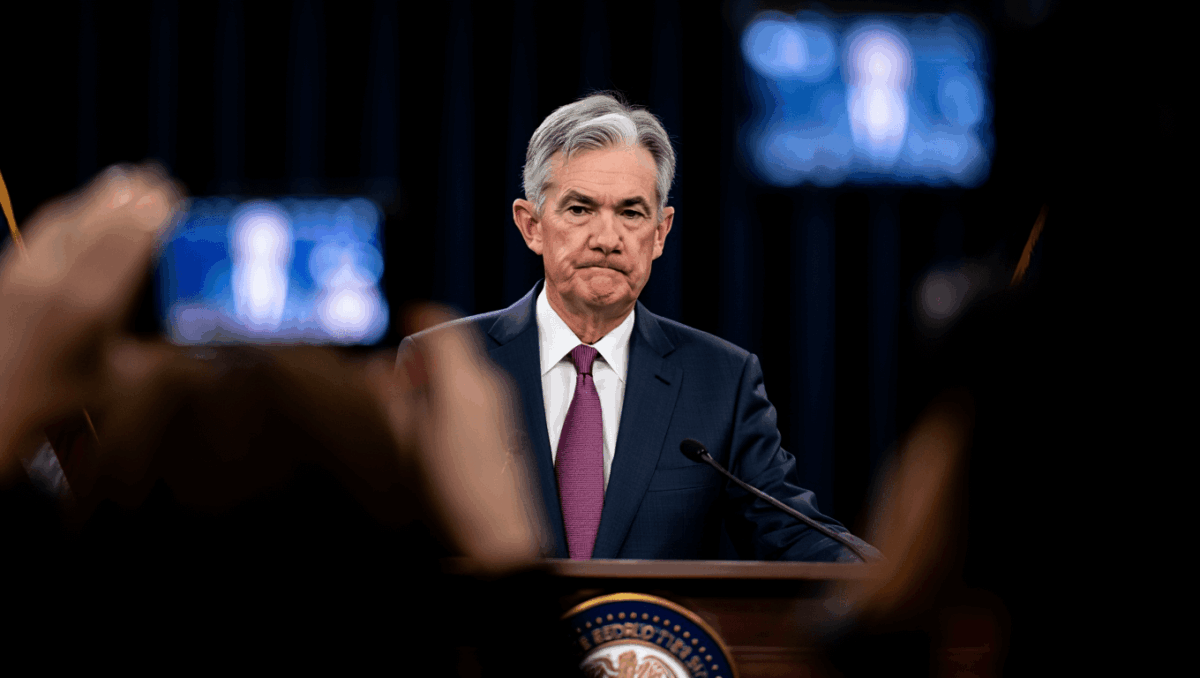
The Federal Reserve news sent mixed signals to markets this week as the central bank delivered its third rate cut of 2025 but signaled a significant slowdown ahead. The decision marked the deepest internal divisions among board members since 2019, with three officials voting against the cut. What lies ahead for interest rates depends heavily on how inflation and employment trends develop in 2026.
🔥 Quick Facts
- December 10, 2025 FOMC vote cut rates by 25 basis points to 3.5%-3.75%
- Vote passed 9-3, the most contentious decision since 2019
- Seven policymakers project zero cuts in 2026; six expected to abstain from 2025 cuts
- Chair Jerome Powell emphasized “wait and see” approach for monetary policy ahead
How the Vote Split Board Members Into Competing Camps
Intuit emerges as best software stock for 2026 while stock crashes to bargain levels analysts didn’t expect
2026 tax brackets shock Americans with hidden paycheck truth nobody expected
The 9-3 vote revealed the sharpest disagreement among Federal Reserve officials in years. Three dissenting members voted against the quarter-point reduction, a rare show of internal discord for the typically consensus-focused institution. This division reflects fundamentally different outlooks on whether the labor market needs additional support or if inflation remaining above the 2% target takes priority.
Each camp represented competing priorities. Doves worried about employment weakness and sought continued stimulus. Hawks feared that cutting rates while inflation hovers above target would undermine credibility and reignite price pressures. Chair Jerome Powell navigated these tensions by proceeding with the cut while signaling caution about future moves.
The Forward Guidance That Changed Everything
Marcus Lemonis takes CEO role at Bed Bath & Beyond with $25M cost-cutting plan and watch what industry experts are saying about his next move
SPX surges 34 points at open with shocking tech recovery, here’s what caused the unexpected Venezuela rally
The real headline emerged not from the rate cut itself but from the economic projections Fed members submitted. Published alongside the decision, these projections showed a stunning development: seven of twelve board members now expect zero rate cuts throughout 2026. Just weeks earlier, officials projected multiple cuts. This dramatic shift signals the Fed believes the economy can handle higher interest rates and doesn’t require further reductions.
Additionally, six policymakers indicated they would have preferred no rate cut at all in December. This underscores how contentious conditions have become, with some officials viewing the decision as a dovish anomaly rather than the start of continued easing. The consensus appears fractured between those supporting rate cuts and those ready to pause.
| Metric | Current Status |
| Federal Funds Rate | 3.50%-3.75% |
| Total 2025 Rate Cuts | 3 cuts (75 basis points) |
| FOMC Vote Result | 9 in favor, 3 dissents |
| 2026 Rate Cut Projections | 0 (per 7 officials) |
What Powell’s Rhetoric Reveals About Coming Decisions
Fed Chair Jerome Powell addressed the board divisions directly, characterizing the current situation as “complicated and unusual” with challenges on both inflation and employment fronts. He signaled a shift toward patience, stating the Fed would “wait and see” how economic data unfolds before committing to further moves. This language represents a marked departure from the more accommodative stance that drove the three consecutive cuts.
Powell emphasized that delivering 2% inflation remains difficult given competing economic pressures. The labor market shows weakness, yet inflation persists above target, leaving policymakers without a clear path forward. This ambiguity likely contributed to the internal divisions, with some officials unwilling to support cuts under such uncertain conditions.
Why Board Members Dissented and What It Means
The three dissents connected to concerns about premature easing. Hawkish officials opposed lowering rates while inflation remained elevated and the economy continued growing. They argued that additional cuts risked reigniting price pressures, particularly with fiscal stimulus potentially on the horizon. Their votes signaled a preference for maintaining the current stance until clearer disinflation emerges.
This dissent reflects growing skepticism about whether the Fed overestimated economic deterioration in the labor market. Employment data from recent months has surprised on the stronger side, undermining the original rationale for rapid rate cuts. The internal disagreement suggests the Fed may have cut rates more than economic conditions warranted, a concern that likely shaped opposing votes.
“We will deliver 2 percent inflation, but it is a complicated, unusual, difficult situation, where the labor market is also under pressure.”
— Jerome Powell, Federal Reserve Chair
What Should Investors and Savers Expect From Here?
The forward guidance leaves little room for optimism about additional rate cuts anytime soon. With the Fed signaling a prolonged pause, mortgage rates could stabilize or drift higher if inflation remains sticky. Savers may finally see meaningful returns on savings accounts and certificates of deposit, reversing years of near-zero rates. Those carrying variable-rate debt should prepare for rates to stay elevated longer than previously anticipated.
For equity markets, the messaging strikes a balance. The Fed acknowledged economic weakness without committing to aggressive easing, which theoretically supports stock valuations while avoiding the “free money” environment that fueled recent rallies. Credit conditions may tighten if markets re-rate expectations for higher rates persisting throughout 2026. The bottom line: the era of easy monetary conditions appears to be ending.
Sources
- CNBC – Fed interest rate decision coverage and market reaction
- Reuters – Federal Reserve pause guidance and economic projections
- Bloomberg – FOMC vote details and dissent analysis

Patrick Graham is a business and finance journalist translating Wall Street’s complexities into stories that matter to everyday readers. With extensive experience in financial journalism and economic analysis, this expert journalist provides sharp insights on market trends, corporate developments, and the economic forces affecting daily life. His reporting helps readers make sense of the business world’s biggest moves.