
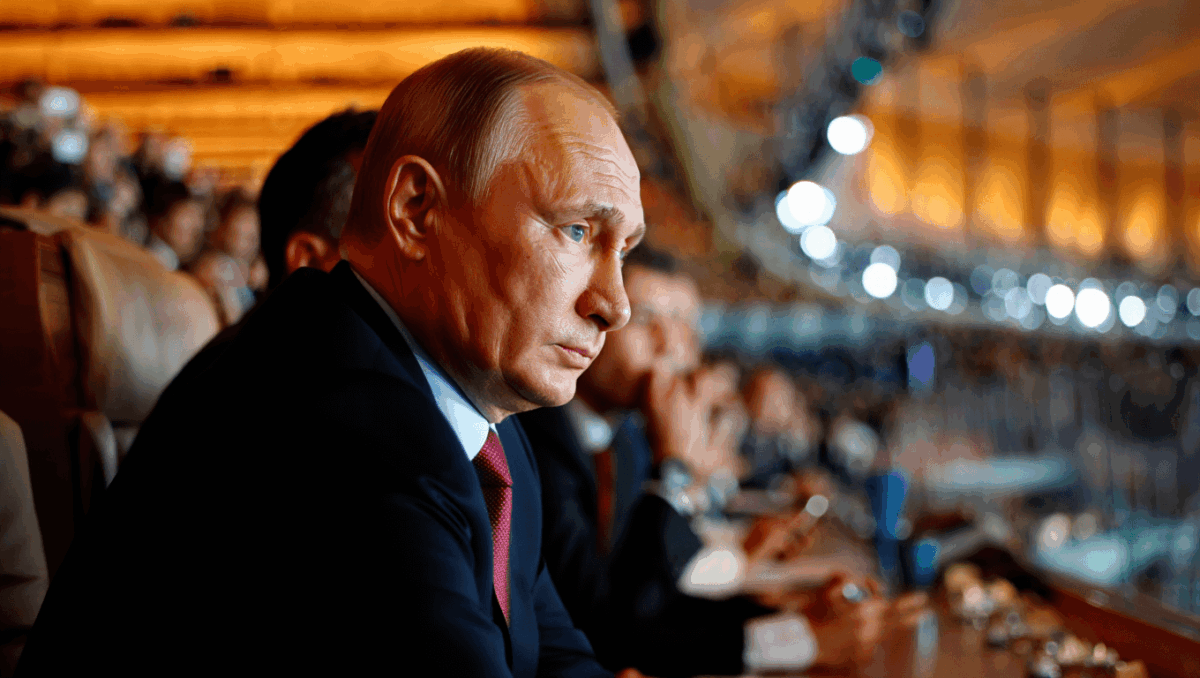
Russia’s Olympic ban remains the most comprehensive sanction in sports history. The International Olympic Committee suspended the Russian Olympic Committee in February 2022, just days after Russia’s invasion of Ukraine began. Now, four years later, Russia will be absent from the 2026 Winter Olympics in Italy, though some carefully vetted Russian athletes can compete as neutral individuals.
🔥 Quick Facts
- Ban Start Date: February 2022, immediately after Russia violated the Olympic Truce
- Why: Ukraine invasion, breach of Olympic Charter by annexing Ukrainian sports councils
- Current Status: 13 Russian athletes cleared to compete as Individual Neutral Athletes (AIN) at 2026 Winter Games
- No National Teams: Russian flag, anthem, and colors are permanently banned from all Olympic events
The Invasion That Broke the Olympic Truce
World Baseball Classic 2026 bracket revealed: which teams advance and when to watch
World Cup 2026: three teams set to inherit Iran’s qualification spot
On 24 February 2022, Russia launched its full-scale invasion of Ukraine, breaking the ancient Olympic Truce just days after the Beijing Winter Games concluded. The IOC condemned this action within hours. The Olympic Truce, rooted in Greek antiquity, is designed to protect athletes and promote peace during competition.
Vladimir Putin’s government not only invaded Ukraine but also violated the Olympic Charter by forcing four Ukrainian regional sports councils (Donetsk, Kherson, Luhansk, and Zaporizhzhia) under Russian Olympic Committee control. This territorial violation was unprecedented in Olympic history, making the ban necessary to uphold Olympic principles.
Multiple Violations Led to Unprecedented Sanctions
Caitlin Clark powers Team USA to dominant win over Senegal in FIBA World Cup qualifier opener
USA moves into WBC quarterfinals after Italy stuns Mexico
The ban stems from two major violations. First, Russia broke the Olympic Truce, which carries sacred significance in the Olympic Movement. Second, the Russian Olympic Committee violated the Olympic Charter’s territorial integrity clause by unilaterally claiming Ukrainian sports organizations as its own.
In October 2023, Russia compounded its violations by attempting to integrate these four occupied Ukrainian territories into official ROC operations. This escalation prompted the IOC to suspend the Russian Olympic Committee entirely, rather than just its athletes. Belarus, which served as a staging ground for the invasion, received the same organizational ban.
How Individual Russian Athletes Still Compete
| Requirement | Status |
| Military/Security Contracts | Automatic disqualification |
| Active War Support | Requires vetting + rejection if found supporting war |
| Anti-Doping Compliance | Must pass all WADA requirements |
| Flag/Anthem Rights | Cannot use Russian symbols; must use AIN flag and generic anthem |
“The sanctions against those responsible for the war, the Russian and Belarusian states and governments, must remain in place: No international sports events organised or supported by an International Federation or National Olympic Committee in Russia or Belarus.”
— International Olympic Committee, Olympic Summit Declaration
The 13 Russian Athletes Allowed to Compete in 2026
The IOC cleared only 13 Russian athletes for the 2026 Milan Cortina Winter Olympics. They include alpine skiers Yulia Pleshkova and Simon Efimov, figure skaters Adelia Petrosian and Petr Gumennik (medal contenders), and athletes across luge, speed skating, cross-country skiing, and ski mountaineering.
A three-member panel including NBA legend Pau Gasol rigorously vetted each applicant. This small number reflects how many sports have maintained their own bans on Russian athletes, independent of IOC decisions. Athletes cannot march in the opening ceremony, and any medals won won’t count toward Russia’s official medal tally, preserving competitive integrity.
Will Russia Ever Return to the Olympics?
The ban has no specified end date, and experts debate Russia’s Olympic future. IOC President Kirsty Coventry sparked controversy in March 2025 by suggesting Russia might be readmitted for the 2028 Los Angeles Olympics, but this remains purely speculative. Ukraine’s government and sports ministry have consistently opposed any Russian participation while the war continues.
Until Ukraine and Russia reach a peace agreement, the IOC’s unprecedented sanctions will likely remain permanent. The Olympic ban reflects not just a sports decision but a global statement about the Olympic Movement’s commitment to peace, territorial integrity, and standing against military aggression during wartime.
Sources
- National Post: Detailed explanation of Russia Olympic ban 2026 and neutral athlete rules
- CBS Sports: Comprehensive breakdown of sanctions, eligibility criteria, and Individual Neutral Athletes
- Olympics.com (IOC Official): Complete Q&A documenting suspension reasons, Olympic Charter violations, and policy framework

Michael Brown is a seasoned sports journalist bringing years of experience covering professional athletics and sporting culture. With a keen eye for breaking stories and player dynamics, this veteran journalist delivers in-depth analysis and exclusive insights from the world’s biggest sporting events. His passion for the game shines through in every story, keeping fans connected to the action both on and off the field.