
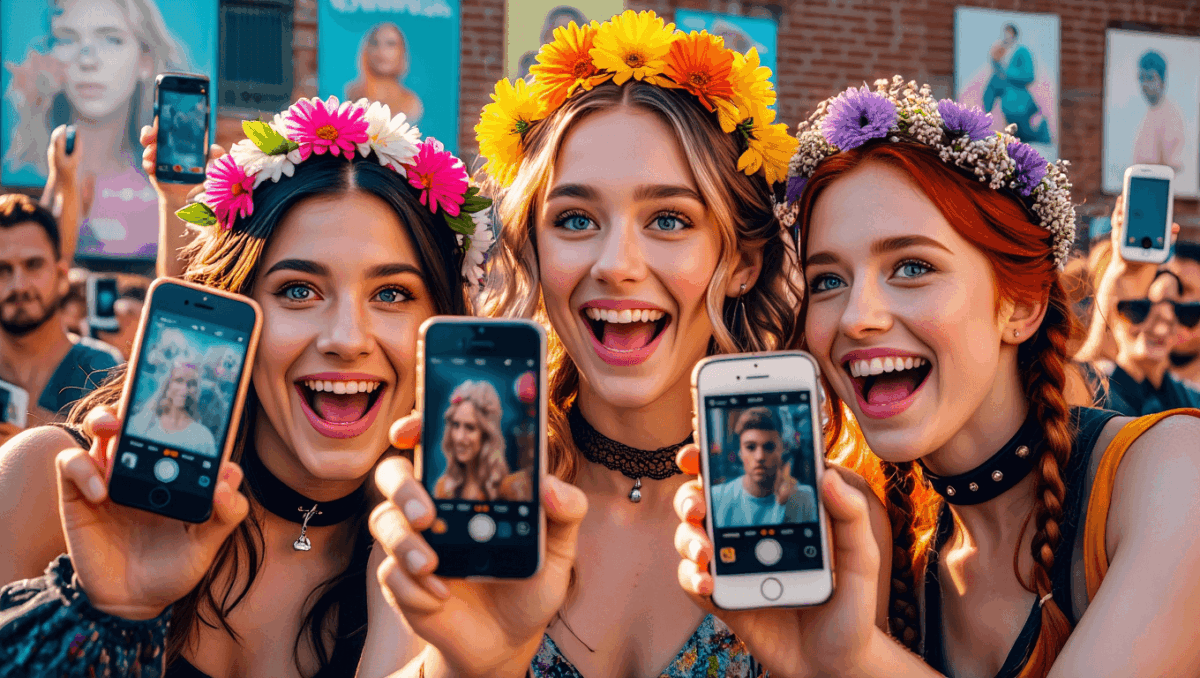
The 2016 trend just exploded on TikTok with over 56 million videos celebrating pure nostalgia. In just the first week of January 2026, searches for “2016” surged 452 percent on the app. Users worldwide are posting throwbacks to the year that felt simpler, before the world shifted.
🔥 Quick Facts
- Viral Reach: Over 56 million TikTok videos using the 2016 filter in the first week of January 2026
- Search Spike: “2016” searches jumped 452 percent on TikTok during the year’s opening week
- Top Trend: Hashtag #2016 now has 1.7 million posts across major social platforms
- Celebrity Participation: Everyone from Charlie Puth to Selena Gomez joined the throwback movement
What Is The 2016 Trend Taking Over Social Media Right Now
ITV’s Michelle Keegan drama exposes police misogyny with real messages: opening cut
Lord of the Rings quiz: 30 brutal questions only true fans can ace
The 2016 trend is a viral movement where users post throwback photos from exactly a decade ago, paired with nostalgia-fueled captions like “2026 is the new 2016.” People scroll through their old digital archives, dusting off grainy iPhone pictures, Snapchat dog filters, and low-resolution memories from a simpler era. The trend uses a distinct pink-hued filter that mimics classic Instagram effects everyone used back then. TikTok specifically released a dedicated 2016 filter that adds that vintage, rose-tinted aesthetic to modern videos.
What started on January 1, 2026, immediately after the clock struck midnight, became a global phenomenon. Users didn’t want to look forward, they wanted to look back. The trend captures bottle flip challenges, Mannequin Challenges, Pokémon Go hunts, and flower crown photos that defined the year. Celebrities jumped in too, with Charlie Puth lip-syncing to his 2016 hit “We Don’t Talk Anymore” and Selena Gomez posting throwback tour photos.
Why Did 2016 Become The Internet’s Latest Nostalgia Obsession
Magic the Gathering faces Universes Beyond challenge: keeping color identity intact
Outlander star reveals jarring season 2 opener that left cast exhausted
According to Joel Marlinarson, a TikTok strategist whose explanation video reached over 1 million views, the phenomenon taps into a deep psychological need. His video broke down why Gen Z feels drawn to that specific year, and the answer is about simpler social media. In 2016, Instagram meant posting a single photo without worry about algorithmic performance. There were no Reels, no endless Story uploads, and no carousel pressure. People posted what made them happy, not what pleased the algorithm.
Psychologist Clay Routledge, who specializes in nostalgia studies since 2001, explains that youth looking back often signals societal uncertainty. When AI fears, economic anxiety, and global tension mount, people naturally anchor themselves to a time that felt lighter. 2016 was that anchor point—before COVID-19, before the Trump presidency, before AI-generated misinformation flooded feeds.
The 2016 Nostalgia Explosion Comes With Major Cultural Reference Points
The year 2016 wasn’t random for nostalgia revival. Beyoncé dropped her visual album Lemonade, which became cultural phenomenon. Taylor Swift surprised everyone at Coachella with her now-iconic bleached blonde hair moment that fans still reference. Drake dominated radio, The Chainsmokers were everywhere with “Closer,” and Rihanna’s ANTI landed as a masterpiece. These weren’t just songs, they were defining moments of a generation’s youth.
| Element | The 2016 Experience |
| Music Landscape | Drake, The Chainsmokers, Zayn, The Weeknd at peak cultural dominance |
| Social Media Platform | Snapchat Stories ruled, Musical.ly thrived, Instagram was organic |
| Viral Trends | Mannequin Challenge, bottle flip, Pokémon Go, harambe memes |
| Fashion Moment | Off-shoulder tops, chokers, skinny jeans, flower crown aesthetics |
“It was just so so good, that music from that time, and so nostalgic to so many of us. We had Zayn’s debut solo single Pillow Talk, Chainsmokers were really hot at that time. Twenty One Pilots, The 1975, it was all going on.”
— Lauren Redfern, BBC Radio 1 DJ
Why The Pink-Hued Filter Made This Nostalgia Trend Actually Different
TikTok’s dedicated 2016 filter became the catalyst that accelerated this trend from casual nostalgia into global phenomenon. The vintage pink hue instantly transported viewers to a specific time without needing words or explanations. Joel explained that this visual shortcut worked across all languages and cultures. Someone in France, Germany, or Japan saw that filter and immediately understood the message: “Remember when?”
The filter’s power came from mimicking Instagram’s classic Rio de Janeiro aesthetic that dominated 2016. People remember using that exact filter on their throwback vacation photos and casual moments. When users applied the modern version to present-day videos of themselves remembering 2016, it created the ultimate paradox, a perfect time capsule effect. The most successful posts layered old photos with new ones, creating visual proof of how much people changed in ten years.
Will This 2016 Nostalgia Trend Last Beyond January 2026
Social media trends typically have short shelf lives. The bottle flip challenge dominated for weeks then vanished. The Mannequin Challenge was everywhere, then gone. But 2016 nostalgia feels different because it taps into deeper psychological needs rather than surface-level novelty. With 1.7 million posts under #2016 and over 56 million videos using the dedicated filter, the trend shows no immediate signs of stopping.
What makes this remarkable is the intergenerational appeal. Gen Z remembers being teenagers in 2016, discovering music and fashion. Millennials were in their late twenties, establishing careers and identities. Even Gen X found cultural touchstones they could appreciate. The shared nostalgia created something rare online: universal common ground. Whether the trend stays viral for weeks or months may depend on how quickly TikTok algorithm promotes it and whether additional celebrities continue participating with their own throwbacks.
Jessica Morrison is a seasoned entertainment writer with over a decade of experience covering television, film, and pop culture. After earning a degree in journalism from New York University, she worked as a freelance writer for various entertainment magazines before joining red94.net. Her expertise lies in analyzing television series, from groundbreaking dramas to light-hearted comedies, and she often provides in-depth reviews and industry insights. Outside of writing, Jessica is an avid film buff and enjoys discovering new indie movies at local festivals.