
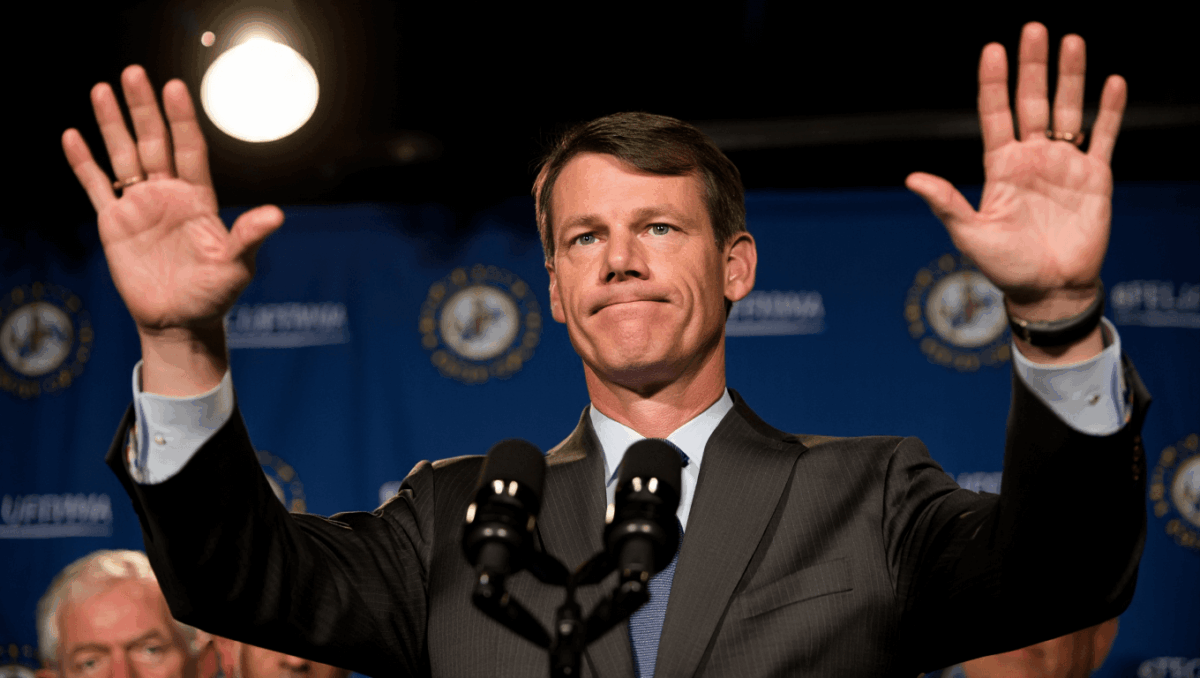
Andy Beshear wins a significant court battle to protect Kentucky’s disaster recovery funds. A federal judge ruled December 11, 2025 in favor of Kentucky and 21 other states against the Trump administration. The decision safeguards vital rebuilding resources that support communities recovering from major natural disasters.
🔥 Quick Facts
- Federal judge blocked Trump administration from redirecting $233 million in FEMA disaster mitigation funds
- Kentucky protects more than $21 million in congressionally appropriated project funding
- Coalition includes 21 states and the District of Columbia opposing the funding restrictions
- Lawsuit filed in summer 2025 after FEMA halted critical rebuilding program
Federal Judge Blocks FEMA Funding Restrictions for Kentucky
Intuit emerges as best software stock for 2026 while stock crashes to bargain levels analysts didn’t expect
2026 tax brackets shock Americans with hidden paycheck truth nobody expected
On December 11, 2025, Governor Andy Beshear announced a major victory in the federal court system. The federal judge ruled decisively in favor of Kentucky, 21 other states, and the District of Columbia. The ruling directly challenges actions taken by the Trump administration regarding disaster mitigation funding allocations.
The court’s decision prevents the federal government from withholding disaster recovery resources Kentucky earned through congressional appropriations. This protection extends to multiple states facing similar funding disputes with FEMA. The ruling represents a significant setback for federal efforts to redirect previously approved disaster assistance funds.
Kentucky’s $21 Million in Protected Project Funding
Marcus Lemonis takes CEO role at Bed Bath & Beyond with $25M cost-cutting plan and watch what industry experts are saying about his next move
SPX surges 34 points at open with shocking tech recovery, here’s what caused the unexpected Venezuela rally
Kentucky stands to protect more than $21 million in funding that Congress previously appropriated for specific disaster recovery projects across the state. This money represents critical resources for communities rebuilding after natural disasters. The funds support 13 specific projects that had been left without support when FEMA implemented its policy changes.
When FEMA halted the disaster mitigation program, Kentucky faced an immediate crisis in project execution. State officials explained that the funding halt left communities without resources for debris removal, emergency protective measures, and recovery infrastructure. The federal judge’s ruling restores access to these congressionally dedicated recovery resources, allowing work to restart on blocked initiatives.
The Larger Disaster Mitigation Funding Crisis
| Funding Detail | Amount |
| Total FEMA Disaster Mitigation Funds Blocked | $233 million nationally |
| Kentucky Protected in Ruling | $21+ million |
| States in Coalition | 22 total (21 states + D.C.) |
| Kentucky Projects Affected | 13 projects |
Governor Beshear had challenged federal actions starting in summer 2025 when the Trump administration began redirecting billions in FEMA disaster mitigation money. The Building Resilient Infrastructure and Communities (BRIC) program faced restrictions that derailed ongoing state recovery efforts. The federal judge’s ruling agrees that these restrictions violate the original congressional appropriations process.
The blocked funds represent investments in infrastructure improvements designed to reduce future disaster damage. These projects include mitigation work that strengthens community resilience against flooding, storms, and other natural disasters. Kentucky’s successful legal challenge demonstrates that federal agencies cannot simply redirect congressionally approved state funding without violating appropriations law.
Reacting to the Court Victory and What Comes Next
Governor Beshear characterized the federal court ruling as a victory for Kentucky communities and disaster recovery operations. The decision affirms that states maintain rights to congressionally appropriated disaster assistance funds. The judge’s order directs FEMA to restore the previously blocked mitigation funding to Kentucky and other states in the coalition.
The victory enables Kentucky to continue critical rebuilding projects that had stalled due to the funding freeze. State officials can now allocate resources to disaster recovery infrastructure that strengthens communities against future natural disasters. However, the Trump administration maintains the option to appeal the federal judge’s decision, creating ongoing uncertainty about whether the ruling will stand.
How Does This Victory Impact Kentucky’s Disaster Recovery Efforts?
The court ruling unlocks essential resources for Kentucky communities rebuilding after devastating storms and natural disasters. Thirteen specific projects that had been suspended can now move forward with the restored $21 million in federal support. Community recovery timelines that had been disrupted now have a path forward with confirmed funding.
Beyond the immediate financial impact, the ruling reinforces Kentucky’s legal standing to protect congressionally allocated disaster recovery resources. Governor Beshear’s decision to challenge federal restrictions alongside 21 other states created a powerful coalition that prevailed in federal court. This precedent may strengthen Kentucky’s position if additional federal funding disputes arise over disaster assistance programs.
The restored funding supports debris removal, emergency protective measures, and long-term reconstruction efforts across multiple communities. State and local officials can now finalize project plans knowing that federal support will reach damaged areas. The court’s affirmation of appropriations law protections provides confidence that disaster recovery operations will continue without arbitrary federal interference.

Patrick Graham is a business and finance journalist translating Wall Street’s complexities into stories that matter to everyday readers. With extensive experience in financial journalism and economic analysis, this expert journalist provides sharp insights on market trends, corporate developments, and the economic forces affecting daily life. His reporting helps readers make sense of the business world’s biggest moves.