

McKesson just unveiled its first-ever Advancing Community Oncology Report, marking a transformative moment in cancer care innovation. The comprehensive report reveals critical insights from over 200 community oncologists and administrators nationwide. This landmark study charts a new era of possibilities for cancer treatment in America’s community practices.
🔥 Quick Facts
- December 1, 2025: McKesson published its inaugural report based on double-blind national survey research
- Over half of all US cancer patients now receive treatment in community settings, not hospitals
- 95% of surveyed oncologists believe personalized medicine will significantly improve patient survival rates
- McKesson Accelerate conference convened 1,500+ oncology leaders to discuss the future of community cancer care
McKesson Maps the Future of Community Oncology
Intuit emerges as best software stock for 2026 while stock crashes to bargain levels analysts didn’t expect
2026 tax brackets shock Americans with hidden paycheck truth nobody expected
McKesson Corporation released its groundbreaking report in Irving, Texas, drawing from extensive research into what’s happening on the frontlines of cancer treatment. The report surveyed over 100 community oncologists alongside more than 100 practice administrators and staff members. Insights came from McKesson’s inaugural Accelerate conference, which gathered 1,500+ physicians and industry experts focused on advancing cancer care.
Jason Hammonds, president of Oncology & Multispecialty at McKesson, emphasized the critical moment. Cancer care is at a pivotal turning point, with the majority of patients now treated in community settings rather than large medical centers. This shift creates unprecedented opportunities while introducing new complexities for providers and pharmaceutical companies alike.
Five Critical Opportunities for Cancer Care Innovation
| Innovation Area | Key Finding |
| Precision Medicine Adoption | 95% of oncologists expect personalized medicine to improve survival; 78% find it challenging to keep pace |
| Clinical Trial Access | 93% recognize trial benefits, yet 85% struggle with access; major demand for expansion |
| Rising Patient Volumes | 62% report increased patient volumes; 76% see more chronic care needs; 76% treating younger patients |
| Artificial Intelligence | 84% of oncologists and 87% of staff anticipate AI’s major role in clinical and administrative care |
| Patient Education Demand | 64% of physicians and 77% of staff emphasize strong need for tailored patient education programs |
Breaking Down the Precision Medicine Revolution
Marcus Lemonis takes CEO role at Bed Bath & Beyond with $25M cost-cutting plan and watch what industry experts are saying about his next move
SPX surges 34 points at open with shocking tech recovery, here’s what caused the unexpected Venezuela rally
The report’s most striking finding shows that nearly all surveyed community oncologists expect personalized medicine to dramatically improve survival rates for cancer patients. More than 70% believe that traditional treatment methods will be completely replaced by innovative therapies within the next decade.
However, this optimism faces a significant hurdle. The vast majority of community physicians (78%) report that keeping pace with clinical innovations and novel therapies presents a major challenge. This disconnect reveals a critical need for support tools and resources that help practices integrate breakthrough treatments into daily operations. Michelle Lockyer, chief strategy officer of Oncology at McKesson, stressed that biopharma companies and providers must collaborate more effectively to bridge this gap.
Clinical Trials: A Major Accessibility Challenge
Survey respondents unanimously recognized the value of clinical trial participation for patients seeking cutting-edge treatments. Both community physicians and administrators strongly support expanded trial access in their communities. Yet the reality tells a different story.
85% of community physicians and 78% of administrators reported that accessing clinical trials in community settings is harder than it should be. Respondents expressed genuine eagerness to engage with stakeholders willing to create better trial access pathways. This gap between desire and reality represents a major opportunity for biopharma innovation and partnership to address patient needs more effectively.
What Will the Community Oncology Landscape Look Like Five Years From Now?
The Advancing Community Oncology Report paints a picture of dramatic transformation ahead for cancer care delivery. Community practices are preparing for a healthcare environment fundamentally reshaped by artificial intelligence, precision treatments, and patient-centered approaches. McKesson’s research suggests that success depends on three critical factors: direct collaboration between biopharma and community providers, investment in technology integration, and commitment to expanding patient access beyond traditional hospital systems.
The report clearly demonstrates that community practices are ready to embrace innovation and technology. The question now is whether product developers, regulators, and healthcare leaders will provide the necessary support infrastructure. McKesson’s inaugural report serves as a call to action for the entire healthcare ecosystem to invest in community-based cancer care as the future of American oncology.
“As therapies become more targeted and clinical trial needs continue to evolve, community practices will play an increasingly critical role in making sure innovation translates into meaningful access for patients.”
— Michelle Lockyer, Chief Strategy Officer, Oncology, McKesson
Sources
- McKesson Corporation – Official press release announcing the Advancing Community Oncology Report
- Biox Economy – Coverage of community oncology practices’ need for biopharma support
- The American Journal of Managed Care – Analysis of sustainable practices in community oncology
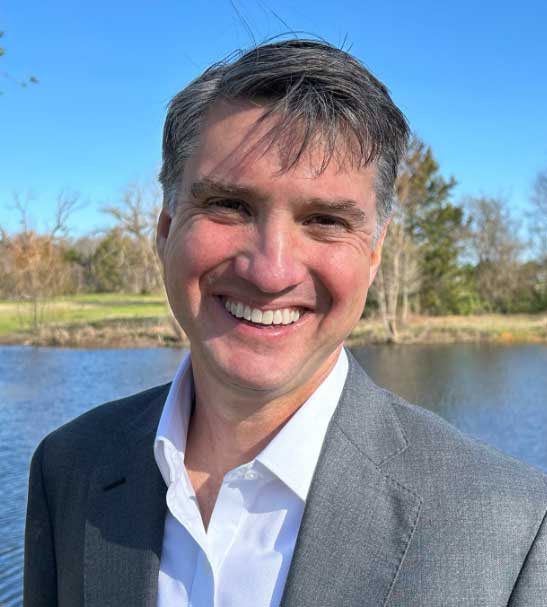
Patrick Graham is a business and finance journalist translating Wall Street’s complexities into stories that matter to everyday readers. With extensive experience in financial journalism and economic analysis, this expert journalist provides sharp insights on market trends, corporate developments, and the economic forces affecting daily life. His reporting helps readers make sense of the business world’s biggest moves.