
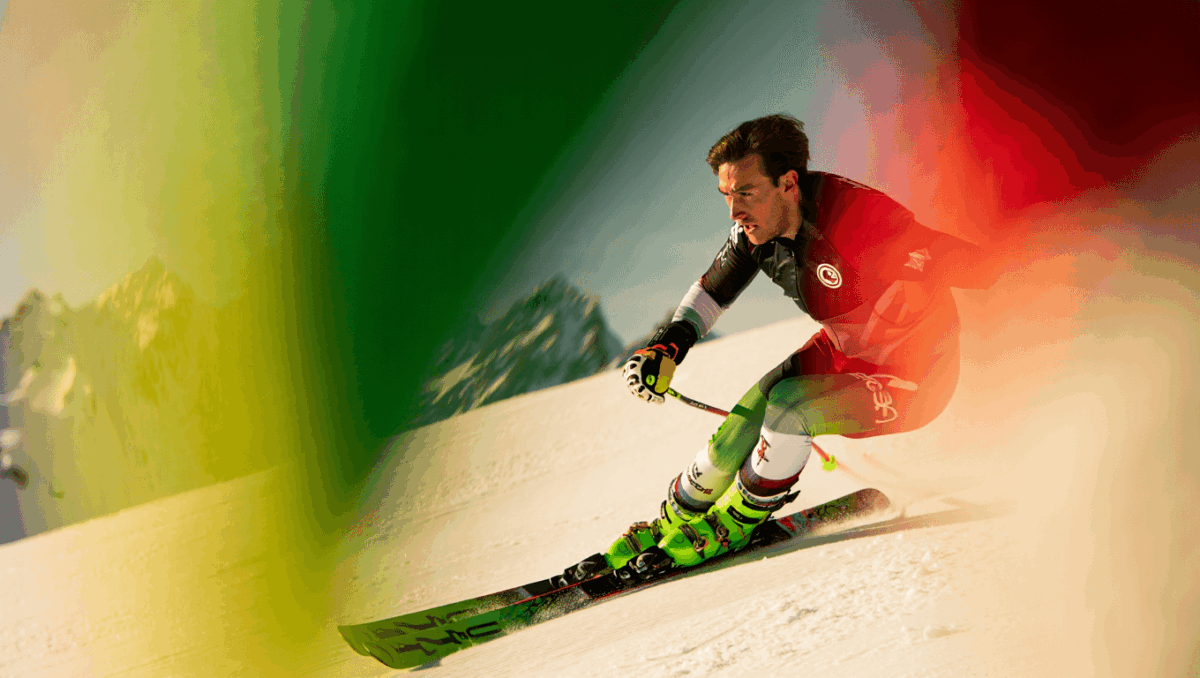
Lucas Pinheiro Braathen just delivered a historic performance that has Brazil on the brink of its first-ever Winter Olympics medal. In an absolutely dominant Run 1 of the men’s giant slalom, the 25-year-old Brazilian skier posted 1:13.92, nearly a full second ahead of reigning Olympic champion Marco Odermatt. Now comes the final run that could make Olympic history.
🔥 Quick Facts
- Braathen’s Time: 1:13.92 in Run 1, fastest in three of four sectors on the Stelvio course
- Lead Margin: 0.95 seconds over Marco Odermatt, largest Olympic GS Run 1 lead since 1988
- South America’s First: A medal would make Braathen the first Winter Olympics medalist from South America
- Run 2 at Risk: Combined times decide medals, not Run 1, meaning the race remains wide open
A Masterclass on Snow and Gates
World Baseball Classic 2026 bracket revealed: which teams advance and when to watch
World Cup 2026: three teams set to inherit Iran’s qualification spot
Braathen started first, taking advantage of the fresh Stelvio surface to attack aggressively from the opening gate. His dominance was immediate and undeniable—he built his advantage early, especially in the decisive second sector, carrying speed through crucial mid-course transitions.
According to NBC broadcaster Dan Hicks, the margin between first and second was the largest after an Olympic men’s GS Run 1 since 1988. That kind of gap is stunning in a sport where hundredths of seconds typically separate champions from also-rans. Loïc Meillard of Switzerland finished third, 1.57 seconds back, with Stefan Brennsteiner of Austria sitting seventh at +2.00.
Switzerland Answers with Depth
Caitlin Clark powers Team USA to dominant win over Senegal in FIBA World Cup qualifier opener
USA moves into WBC quarterfinals after Italy stuns Mexico
The Swiss team responded immediately. Marco Odermatt, the current World Cup giant slalom leader and three-time GS winner this season, secured second place at +0.95. Loïc Meillard sits third, and Thomas Tumler rounds out the top four, all within striking distance heading into the second run.
Swiss coach Helmut Krug controls the second run start order, introducing a strategic layer to this afternoon’s finale. But the narrative is crystal clear: Brazil holds the advantage, Switzerland controls the depth.
Team USA Eyes Second-Run Attack
River Radamus, the 26-year-old American fresh off a fourth-place finish in the 2022 Olympics downhill, placed 12th at +2.46. The 22-year-old Ryder Sarchett, making his Olympic debut, secured a stunning 29th place with less than perfect execution, showing flashes of elite potential on a brutally difficult course.
| Position | Athlete | Time/Deficit |
| 1 | Lucas Pinheiro Braathen (BRA) | 1:13.92 |
| 2 | Marco Odermatt (SUI) | +0.95 |
| 3 | Loïc Meillard (SUI) | +1.57 |
| 12 | River Radamus (USA) | +2.46 |
“First run, it was very getable. You had to be pretty much flawless. The key here is carrying speed. I had a little bobble on the first pitch and got kicked around a couple more times, but I’m proud of my commitment. I’m in the mix, I’ve got a puncher’s chance, and I have nothing to lose next run.”
— River Radamus, Team USA Alpine Skier
Brazil’s Historic Moment Awaits
If Braathen wins gold or even secures a podium finish, he becomes the first athlete, man or woman, representing a South American nation to earn a Winter Olympic medal. The pressure is immense, but his Run 1 performance suggests he thrives under it.
Braathen, born in Oslo to a Brazilian mother and Norwegian father, surprisingly retired from major competition in 2023 at age 23. His comeback with Brazil announced last year shocked the skiing world. Now, in his second Olympic appearance representing Brazil, he stands on the edge of changing Summer and Winter Olympics history for an entire continent.
Will History Repeat in Run 2?
Championships are decided under pressure, and Run 1 is only the stage-setter. The combined times of both runs determine the medals. Historically, medalists come from near the top after the opening run, but 0.95 seconds is enough margin that Odermatt and the Swiss trio have legitimate shots at closing the gap.
Can Braathen execute another flawless run on the Stelvio’s challenging gates, or will Odermatt’s championship experience and the Swiss depth catch up when it matters most?
Sources
- Olympics.com – Official Milan-Cortina 2026 coverage of Braathen’s historic Run 1
- NBC Olympics – En-route analysis with broadcaster Dan Hicks and competitor interviews
- Ski Racing Media – Detailed first-run breakdowns and team USA performance insights

Michael Brown is a seasoned sports journalist bringing years of experience covering professional athletics and sporting culture. With a keen eye for breaking stories and player dynamics, this veteran journalist delivers in-depth analysis and exclusive insights from the world’s biggest sporting events. His passion for the game shines through in every story, keeping fans connected to the action both on and off the field.