
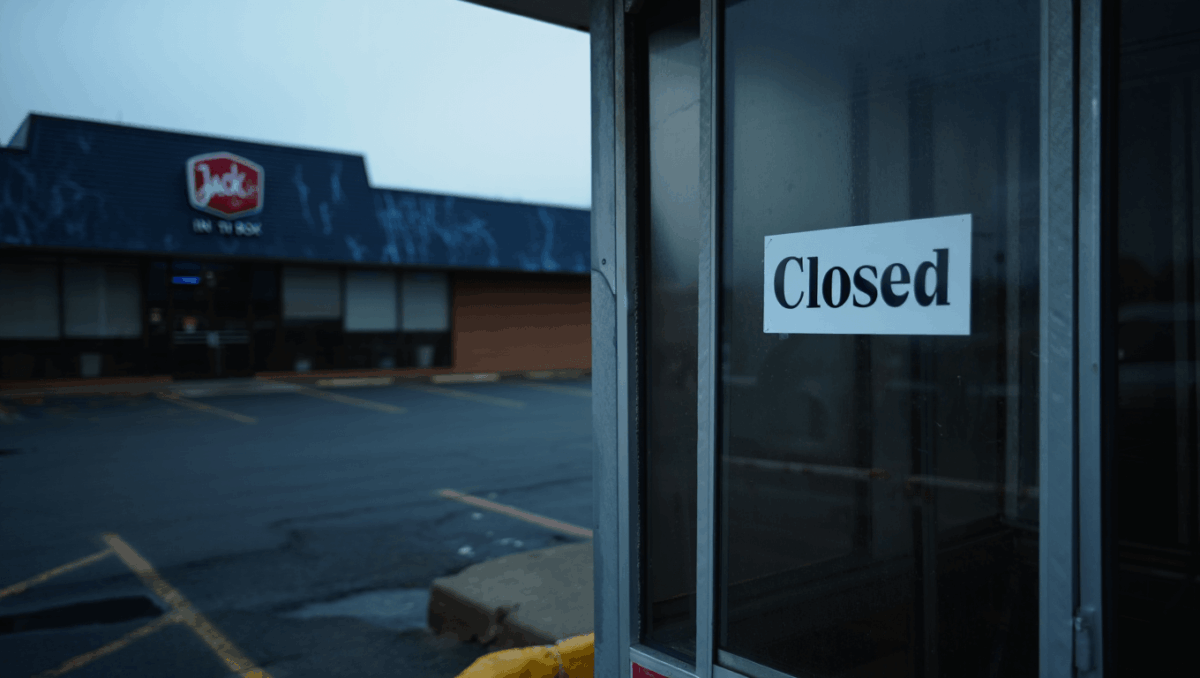
Jack in the Box closures accelerate as the iconic fast-food chain shuts down 72 locations in a desperate bid to survive. The company plans to close 150 to 200 underperforming stores by mid-2026 under its aggressive restructuring plan. This represents a pivotal moment for the 75-year-old burger chain fighting mounting debt and collapsing sales.
🔥 Quick Facts
- 72 stores have already closed in 2025 as part of the massive restructuring effort
- 150-200 total locations scheduled to shut down between April 2025 and mid-2026
- $1.7 billion in debt weighing down the company alongside crushing financial losses
- Same-store sales declined 7.4% in the most recent quarter as customers abandoned the chain
Jack in the Box Closures Reflect Industry-Wide Fast Food Crisis
Intuit emerges as best software stock for 2026 while stock crashes to bargain levels analysts didn’t expect
2026 tax brackets shock Americans with hidden paycheck truth nobody expected
The 75-year-old burger chain faces its most challenging moment in decades as closures accelerate nationwide. So far in 2025, Jack in the Box has shuttered 72 locations, representing significant losses for franchisees and displaced workers. The company’s parent entity issued the aggressive plan in late April through CEO Lance Tucker.
Most of the locations closing have been operating for more than 30 years, suggesting they’ve become unprofitable despite their longevity. The chain originally operated roughly 2,200 stores before the closures began. Industry analysts warn this represents more than typical restaurant pruning—it signals structural problems within the brand itself.
Marcus Lemonis takes CEO role at Bed Bath & Beyond with $25M cost-cutting plan and watch what industry experts are saying about his next move
SPX surges 34 points at open with shocking tech recovery, here’s what caused the unexpected Venezuela rally
The closure pace has accelerated dramatically through 2025. The company initially closed 12 locations in May, followed by another 13 in August, and then 47 more closures by late fall. This trajectory suggests the company will exceed its year-end target of 80-120 closures before December 31.
Same-Store Sales Collapse Reveals Deeper Problems
Customer traffic has vanished as the chain struggles with pricing power and menu strategy. In the most recent quarter, same-store sales dropped 7.4%—the worst performance in years. Analysts attribute the decline to falling customer transaction counts and unfavorable menu mix choices that failed to resonate with existing diners.
| Metric | Current Status |
| Same-Store Sales Decline (Q4) | -7.4% |
| Same-Store Sales Decline (Q3) | -7.1% |
| Total Company Debt | $1.7 billion |
| Net Debt Leverage Ratio | 6x EBITDA |
| Planned Closures (Total) | 150-200 locations |
The company’s Hispanic customer base—a once-loyal demographic—has reduced spending significantly. Price sensitivity among core customers has intensified as inflationary pressures squeeze household budgets. Jack in the Box raised prices to combat rising commodity costs, but the strategy backfired by driving price-conscious customers to competitors offering better value propositions.
Jack on Track: The Desperate Restructuring Plan
In April 2025, new CEO Lance Tucker unveiled the “Jack on Track” turnaround initiative designed to stabilize the bleeding chain. The plan includes store closures, debt reduction, real estate sales, and renewed focus on value-driven menu offerings. Tucker expects same-store sales to return to positive territory through aggressive promotional strategies and operational discipline.
The company suspended dividends to preserve cash and is accelerating sales of owned real estate to fund debt paydown. Jack in the Box is also planning to remodel 1,000 additional locations on top of the 300-400 already scheduled for renovations. These moves represent an admission that the brand has fallen behind competitors in customer experience and restaurant modernization.
The company sold its Del Taco subsidiary in 2025 for just $115 million—a catastrophic loss considering it paid $575 million just four years earlier. This fire-sale disposal of a major asset demonstrates the urgency of Jack in the Box’s financial situation and its need for immediate liquidity.
Franchisee Impact and Community Concerns
The aggressive closure program has devastated franchise owners operating these locations. Many franchisees purchased their units decades ago, counting on long-term brand stability. Instead, they face terminations based on franchise agreement clauses allowing the parent company to force closures of underperforming stores.
These closures eliminate jobs across multiple states, with some regions experiencing more severe impacts than others. Community leaders express concern about the chain’s ability to recover and compete effectively against McDonald’s, Burger King, and regional burger concepts that have maintained stronger customer loyalty. The closures also reduce options for customers in underserved markets where Jack in the Box was the only quick-service burger alternative.
Some franchisees filed for bankruptcy protection, including Kobra Properties, a major franchisee with 70 units. The cascade of franchisee bankruptcies alongside corporate restructuring suggests systemic problems that closures alone may not solve. Franchise relationships have deteriorated as owners blame corporate strategy for destroying unit economics.
Can Jack in the Box Survive and Return to Profitability?
Industry experts remain skeptical about whether Jack in the Box’s turnaround efforts can succeed. The company generates significant quarterly losses—recent reports show a full-year net loss of $80.72 million. With $1.7 billion in debt and a leverage ratio of 6x EBITDA, the company operates in financial distress.
“We are in survival mode right now,” noted analysts describing Jack in the Box’s current operational status and desperate need to stabilize finances before bankruptcy becomes inevitable.
— Financial Analysis, December 2025
The brand must simultaneously execute difficult store closures while convincing remaining customers to return. This represents competing challenges that few turnarounds successfully navigate. Wall Street has lost confidence, with equity analysts slashing earnings estimates by -20.98% in recent months. The stock has fallen over 50% from earlier levels as investors flee the deteriorating situation.
Success would require same-store sales to stabilize within 12-18 months, debt reduction to accelerate, and brand perception to improve. Current trajectories suggest these outcomes remain unlikely without dramatic strategic changes beyond current plans.
Sources
- Fox Business – Coverage of store closures and financial struggles
- Daily Mail – Details on closure timeline and debt implications
- Restaurant Dive – Analysis of sales decline and turnaround plan progress

Patrick Graham is a business and finance journalist translating Wall Street’s complexities into stories that matter to everyday readers. With extensive experience in financial journalism and economic analysis, this expert journalist provides sharp insights on market trends, corporate developments, and the economic forces affecting daily life. His reporting helps readers make sense of the business world’s biggest moves.