
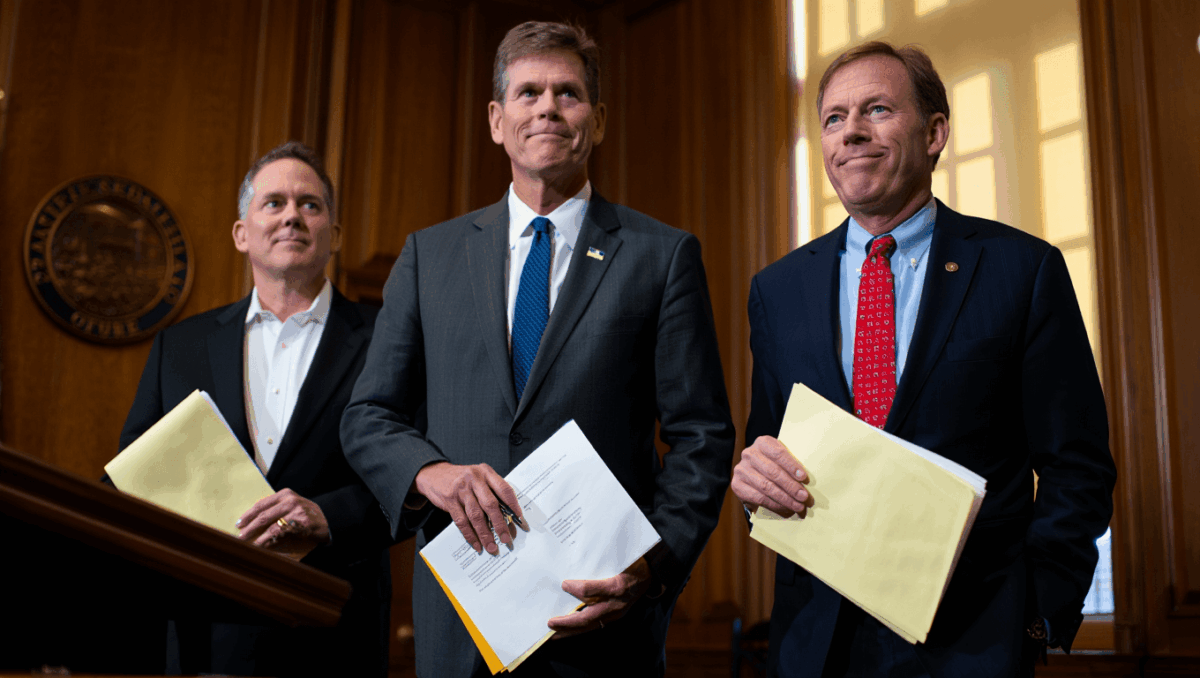
Alaska just secured $272 million in federal funding to revolutionize its rural health care system. This historic investment marks the biggest boost to Alaska’s healthcare infrastructure in the state’s history. The funding comes from the new Rural Health Transformation Program, a five-year federal initiative designed to address healthcare challenges in underserved communities across America.
🔥 Quick Facts
- Alaska received the second-largest award nationwide, surpassed only by Texas with $281 million
- The $272 million represents approximately $365 per Alaskan in funding, far exceeding the national average
- Over five years, Alaska could receive up to $1.36 billion for rural health care transformation
- All 50 states share a total of $50 billion from the Rural Health Transformation Program, with an average of $200 million per state in 2026
Why Alaska’s Award is Historic
Intuit emerges as best software stock for 2026 while stock crashes to bargain levels analysts didn’t expect
2026 tax brackets shock Americans with hidden paycheck truth nobody expected
Alaska secured the largest rural health investment in state history on December 29, 2025, when the Centers for Medicare & Medicaid Services (CMS) announced the awards. Senator Dan Sullivan called it “a generational opportunity” for the state’s healthcare system. This funding addresses decades of challenges where rural Alaskans have struggled with limited access to care, forcing residents to travel hundreds of miles for basic medical services.
The award’s significance extends beyond raw dollars. Arkansas received $147 million while several states in the middle received around $190-200 million. Alaska’s $272 million places it in elite company, reflecting the federal government’s recognition of Alaska’s unique rural healthcare crisis. The per-capita funding ($365) demonstrates that Alaska’s remote population centers face proportionally greater challenges than most states.
What This Funding Will Transform
| Focus Area | Goals |
| Rural Clinic Strengthening | Upgrade infrastructure and equipment in community clinics |
| Healthcare Workforce | Recruit and stabilize doctors, nurses, and clinicians |
| Care Accessibility | Keep medical services closer to home, reducing travel burden |
| Obstetric Care Expansion | Expand pregnancy and childbirth services in rural areas |
Marcus Lemonis takes CEO role at Bed Bath & Beyond with $25M cost-cutting plan and watch what industry experts are saying about his next move
SPX surges 34 points at open with shocking tech recovery, here’s what caused the unexpected Venezuela rally
The money targets Alaska’s most pressing rural health issues. Healthcare providers must travel long distances across harsh terrain to reach remote communities. Governor Mike Dunleavy and U.S. Representative Nick Begich III joined the announcement, emphasizing that this funding provides flexibility to design programs meeting Alaska’s specific needs.
The program allows hospitals, community-based organizations, and federally-qualified health centers to apply for funding. Alaska Department of Health Commissioner Heidi Hedberg promised more details in coming weeks about access procedures. Phil Hofstetter, CEO of Petersburg Medical Center, expressed cautious optimism, noting that rural providers understand their communities’ healthcare needs better than distant bureaucrats.
Alaska’s Healthcare Challenges Explained
Alaska’s rural healthcare system faces unique obstacles unavailable in lower 48 states. Many communities have no road access whatsoever, requiring flight or boat travel for patients. Healthcare provider shortages plague remote areas, with some villages having no permanent doctors. Travel costs become prohibitively expensive for low-income families needing specialist care, forcing difficult choices between health and financial stability.
Additionally, Alaska faces significant Medicaid funding changes from federal policy shifts. The Rural Health Transformation Program arrives as the state grapples with potential cuts to Affordable Care Act subsidies and new Medicaid access requirements. Sullivan emphasized that this program addresses actual healthcare access problems, distinguishing it from insurance access debates.
How This Compares to Other Federal Healthcare Investments
The Rural Health Transformation Program represents unprecedented federal investment in rural healthcare. Unlike previous smaller grants, this systematic five-year approach allocates substantial resources to all 50 states. States including Montana, Nebraska, and Wyoming also received substantial awards, but Alaska’s combination of size and population density makes its challenges uniquely severe.
Federal officials designed the program flexibility to allow states customizing solutions. Texas received slightly more money ($281 million) but serves a much larger population, meaning Alaska’s per-capita investment exceeds Texas significantly. This tailored approach recognizes that a Wyoming clinic faces different challenges than an isolated Alaskan village requiring helicopter transport for complicated births.
What Happens Next for Alaska Healthcare?
Alaska must now develop detailed implementation plans for deploying these funds effectively. Healthcare leaders across the state will determine whether to prioritize expanding obstetric services, recruiting specialists, upgrading clinic infrastructure, or telehealth investments. The state faces a critical decision: maintaining this transformational momentum or watching bureaucratic delays waste the opportunity.
Success hinges on removing regulatory barriers that typically slow healthcare innovation. Hofstetter warned that excessive federal requirements could become a “failure point,” preventing communities from using funds addressing their specific situations. Alaska’s congressional delegation and state officials have committed to supporting implementation efficiently, setting high expectations for rapid deployment beginning in 2026.

Patrick Graham is a business and finance journalist translating Wall Street’s complexities into stories that matter to everyday readers. With extensive experience in financial journalism and economic analysis, this expert journalist provides sharp insights on market trends, corporate developments, and the economic forces affecting daily life. His reporting helps readers make sense of the business world’s biggest moves.