
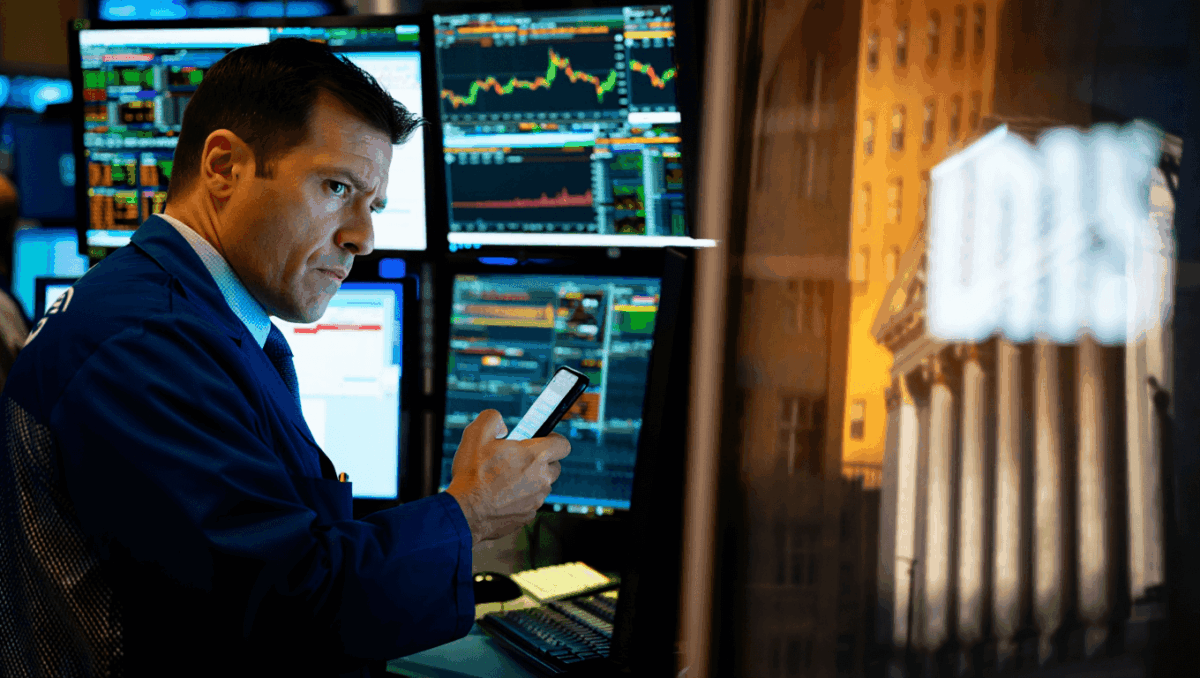
Stock market hours today deliver a full trading day for equity investors on the final day of 2025. The NYSE and Nasdaq will operate on regular schedules while bond markets wrap up early at 2 PM ET, creating a shortened trading window for fixed-income securities. Here’s what traders need to know before the markets close for the holiday.
🔥 Quick Facts
- Stock Market Hours: 9:30 AM ET to 4:00 PM ET on December 31, 2025
- Bond Market Closure: Fixed-income trading stops at 2:00 PM ET today
- Exchange Status: Both NYSE and Nasdaq maintain normal trading hours
- Next Trading Day: Markets reopen Friday, January 2, 2026 after New Year’s Day closure
NYSE and Nasdaq Operating at Full Capacity Today
Intuit emerges as best software stock for 2026 while stock crashes to bargain levels analysts didn’t expect
2026 tax brackets shock Americans with hidden paycheck truth nobody expected
The New York Stock Exchange and Nasdaq Stock Market will conduct business as usual on December 31, 2025. Unlike some years, no early closure affects equity trading today, allowing investors a complete regular trading session from opening bell through the standard 4:00 PM ET close.
Both exchanges begin trading at 9:30 AM Eastern Time and continue through standard market hours. This gives portfolio managers and traders a full day to execute year-end strategies, rebalance holdings, and position accounts for 2026.
Bond Market Takes Early Exit at 2 PM ET
Marcus Lemonis takes CEO role at Bed Bath & Beyond with $25M cost-cutting plan and watch what industry experts are saying about his next move
SPX surges 34 points at open with shocking tech recovery, here’s what caused the unexpected Venezuela rally
Fixed-income investors face an important timing restriction today. The U.S. bond market will close at 2:00 PM ET on Wednesday, December 31st according to the Securities Industry and Financial Markets Association (SIFMA). This early closure applies across all bond trading platforms and dealers.
Treasury bonds, corporate bonds, municipal bonds, and all other fixed-income securities will stop trading at that time. Investors holding bond positions or planning any fixed-income transactions should act before the 2 PM cutoff.
Trading Hours and Market Access Details
| Market Segment | Opening Time | Closing Time |
| NYSE Equities | 9:30 AM ET | 4:00 PM ET |
| Nasdaq Equities | 9:30 AM ET | 4:00 PM ET |
| Bond Market | Standard | 2:00 PM ET (Early) |
| After-Hours Stock Trading | 4:00 PM ET | 5:00 PM ET (exists) |
Year-End Market Activity and Trading Considerations
Today marks the final opportunity for investors to lock in 2025 tax decisions and complete year-end portfolio adjustments. Many traders use today to harvest losses, realize gains before year-end, or position accounts for early 2026 trading. The full equity market session allows maximum flexibility.
Volumes typically run lighter as institutions shift focus toward 2026 planning. Volatility often reduces during the final trading day of the year. Both institutional and retail investors can access the markets normally despite the bond market’s early closure.
What Happens After Markets Close Today?
Following today’s regular close, all financial markets remain shut on January 1, 2026 for New Year’s Day. This includes complete closures for the NYSE, Nasdaq, bond markets, and forex markets. Trading resumes Friday, January 2, 2026 with regular hours from 9:30 AM ET through 4:00 PM ET for equities.
Investors should note that after-hours trading remains available today until 5:00 PM ET on some exchanges, providing extended access even after the regular market close.
Sources
- USA Today – Stock market holiday and trading hours verification
- SIFMA – Bond market holiday schedule and early close times
- Morningstar/MarketWatch – New Year’s Eve and New Year’s Day market status

Patrick Graham is a business and finance journalist translating Wall Street’s complexities into stories that matter to everyday readers. With extensive experience in financial journalism and economic analysis, this expert journalist provides sharp insights on market trends, corporate developments, and the economic forces affecting daily life. His reporting helps readers make sense of the business world’s biggest moves.