
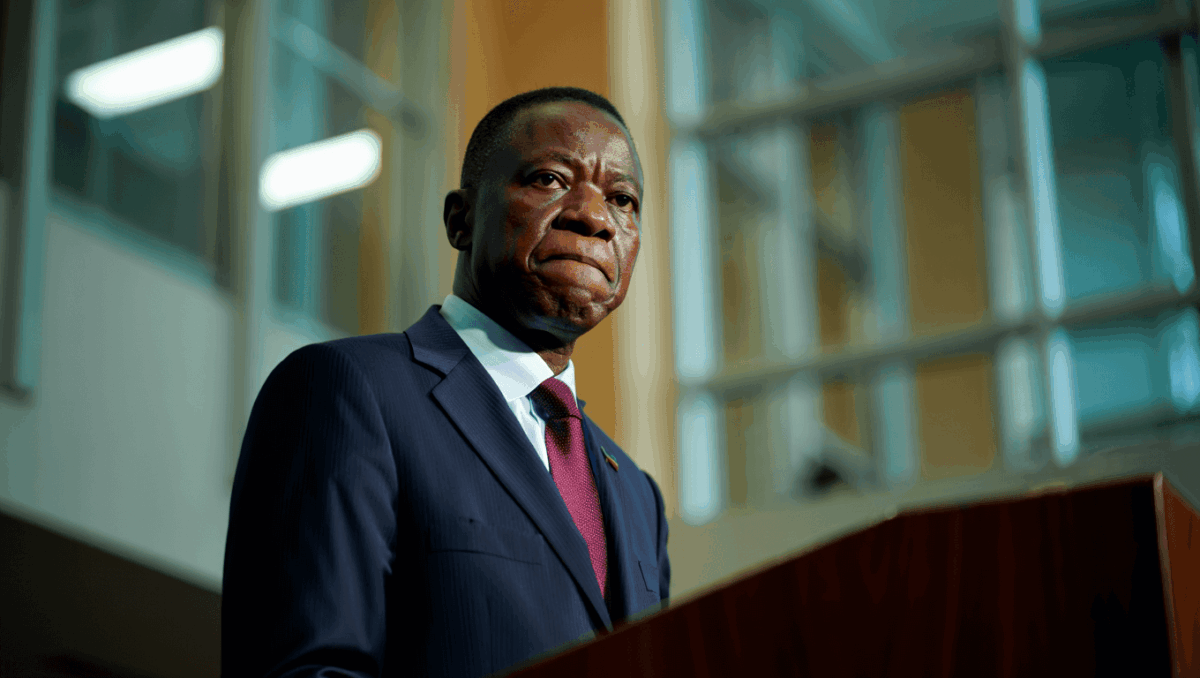
Senegal faces mounting debt pressure as Bank of America warns that external debt restructuring is becoming increasingly likely in the second half of 2026. The West African nation’s financial crisis deepens amid stalled IMF negotiations and a standoff over whether to accept painful restructuring terms.
🔥 Quick Facts
- Senegal’s debt-to-GDP ratio reached 119% by end of 2024, among Africa’s highest
- $7 billion in previously hidden debt discovered from previous administration
- IMF suspended $1.8 billion funding program following hidden debt revelation
- Credit default swaps surged to 1,120 basis points, reflecting extreme default risk
Bank of America Issues Stark Restructuring Warning
Intuit emerges as best software stock for 2026 while stock crashes to bargain levels analysts didn’t expect
2026 tax brackets shock Americans with hidden paycheck truth nobody expected
Bank of America Global Research published a note on December 4, 2025, projecting that Senegal’s external debt restructuring is increasingly likely by the second half of 2026. The analysis signals market confidence has severely deteriorated.
The warning intensifies pressure on Prime Minister Ousmane Sonko, who has publicly rejected IMF-recommended restructuring. Senegal’s dollar bonds have crashed to record lows as investors flee the country’s debt. The 2031 dollar-denominated bonds fell 4% after Sonko rejected restructuring plans.
Hidden Debt Detonates Financial Crisis
Marcus Lemonis takes CEO role at Bed Bath & Beyond with $25M cost-cutting plan and watch what industry experts are saying about his next move
SPX surges 34 points at open with shocking tech recovery, here’s what caused the unexpected Venezuela rally
Senegal’s crisis erupted in September 2024 when the government discovered that the previous administration under President Macky Sall had concealed approximately $7 billion in borrowing. The shocking revelation meant Senegal’s real debt-to-GDP ratio was approximately 100%, not the reported 70%.
This discovery forced the IMF to suspend its $1.8 billion credit facility approved in 2023. S&P Global Ratings downgraded Senegal to CCC+ on November 14, placing it in deep junk bond status. The agency cited Senegal’s difficulty refinancing upcoming debt maturities.
| Financial Metric | 2024 Level |
| Public Debt | $42.1 billion |
| Debt-to-GDP Ratio | 119% |
| Fiscal Deficit | 12.6% of GDP |
| Credit Rating | CCC+ (junk) |
Sonko Rejects IMF Restructuring as Political Poison
Prime Minister Sonko has flatly rejected the IMF’s proposal to restructure Senegal’s debt, calling it a “disgrace” and a threat to national sovereignty. Restructuring would extend debt maturities, reduce interest rates, or cut the debt stock—but typically requires painful spending cuts.
Sonko frames restructuring as a betrayal of his 2024 election promise to restore Senegal’s sovereignty and development independence. His political base opposes austerity measures, having witnessed devastating public backlash in other African nations like Kenya. Instead, Sonko proposes aggressive tax collection and new levies on tobacco, alcohol, and mobile money transfers.
IMF Mission Chief Edward Gemayel has warned that Senegal’s proposed 2026 budget targets are “very ambitious,” citing proposed tax increases the IMF has never previously seen attempted. Without restructuring or fresh IMF funding, Senegal faces a severe financing gap.
“We expect external debt moratorium and restructuring negotiations increasingly likely towards H2 2026, alongside further domestic reprofiling.”
— Bank of America Global Research, December 4, 2025
Market Panic Signals Imminent Crisis
International investors have fled Senegal’s bonds with stunning speed. Credit default swap premiums—insurance against default—exploded from 750 basis points to 1,120 basis points between November 10-12, doubling the perceived default risk.
Senegal’s 2048 international notes dropped 2.4 cents to $60.30, signaling severe distress. S&P’s November 14 downgrade to CCC+ sent shockwaves through markets. Analysts at Oxford Economics note that the government’s rejection of restructuring has “extended the stalemate” with the IMF, leaving few viable paths forward.
What Happens Next in Senegal’s Debt Standoff?
Senegal now faces an impossible choice. Accept the IMF’s restructuring proposal and risk political upheaval, or push forward with ambitious tax hikes that market observers consider unrealistic. IMF negotiations continue, but the organization has signaled that its next lending tranche depends on Senegal accepting restructuring terms.
The 2026 timeline suggested by Bank of America indicates markets expect this stalemate to break by mid-year. Senegal’s capacity to service its debt without fresh external financing appears exhausted. Whether Prime Minister Sonko changes course on restructuring will determine whether Senegal experiences a gradual debt workout or a catastrophic default.

Patrick Graham is a business and finance journalist translating Wall Street’s complexities into stories that matter to everyday readers. With extensive experience in financial journalism and economic analysis, this expert journalist provides sharp insights on market trends, corporate developments, and the economic forces affecting daily life. His reporting helps readers make sense of the business world’s biggest moves.