
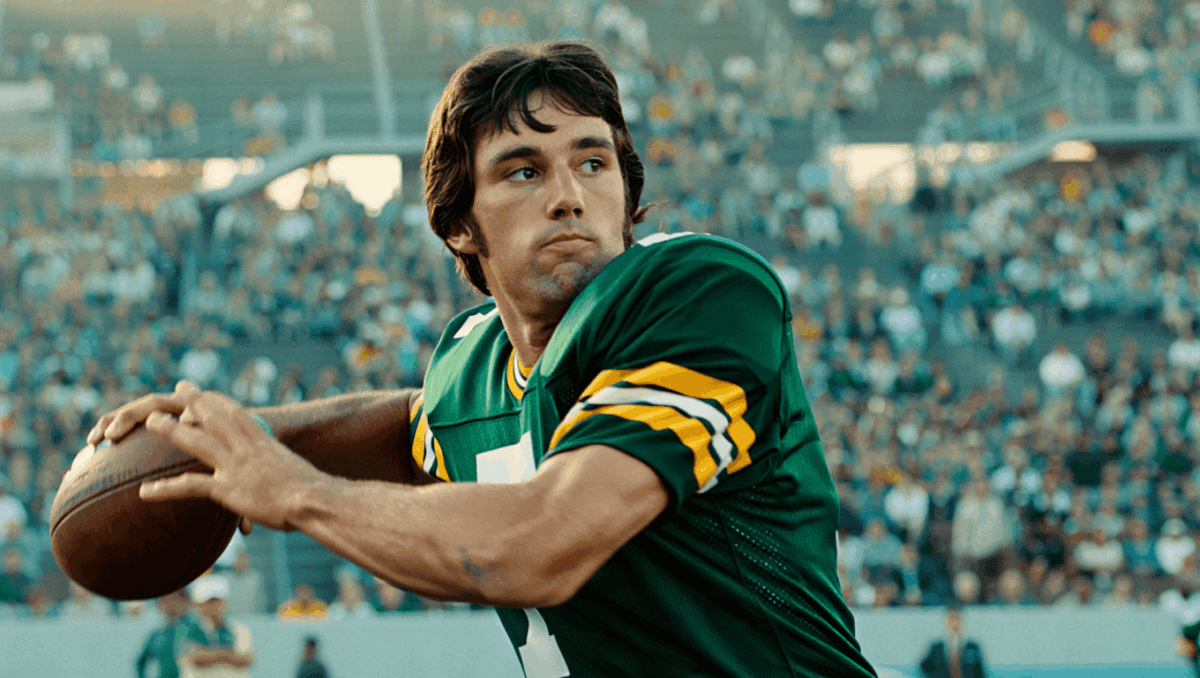
When was the first Super Bowl? On January 15, 1967, the Green Bay Packers defeated the Kansas City Chiefs 35-10 in the inaugural match. This historic game didn’t even have an official name until later but launched one of sports’ greatest dynasties.
🔥 Quick Facts
- Date: January 15, 1967 at the Los Angeles Memorial Coliseum
- Final Score: Green Bay Packers 35, Kansas City Chiefs 10
- MVP: Bart Starr completed 16 of 23 passes for 250 yards and 2 touchdowns
- Attendance: 61,946 spectators, the only non-sellout Super Bowl in history
The Game That Launched a Dynasty
World Baseball Classic 2026 bracket revealed: which teams advance and when to watch
World Cup 2026: three teams set to inherit Iran’s qualification spot
Vince Lombardi’s Green Bay Packers dominated the Kansas City Chiefs in a performance that proved the NFL’s superiority over the upstart AFL. The Packers jumped to an early lead with 7 points in the first quarter and never looked back. Max McGee caught 7 receptions for 138 yards and 2 touchdowns despite playing on little sleep after celebrating the night before.
The Chiefs, led by coach Hank Stram, managed only 10 points in a lopsided matchup. Green Bay’s defense suffocated Kansas City’s offense, setting the tone for decades of NFL dominance.
The Historic Venue and Television Revolution
Caitlin Clark powers Team USA to dominant win over Senegal in FIBA World Cup qualifier opener
USA moves into WBC quarterfinals after Italy stuns Mexico
The Los Angeles Memorial Coliseum, a 94,000-seat stadium, hosted the event with just 61,946 fans attending. This remains the only Super Bowl to not sell out, a surprising fact given the historic nature of the game. However, 50 million viewers watched at home across both NBC and CBS, making it a massive television event.
The fact that the game appeared on both networks simultaneously was unprecedented. America’s living rooms became the true venue, with fans witnessing the merger of two football leagues unfold in real time across their screens.
Super Bowl I by the Numbers
| Statistic | Detail |
| Event Name | AFL-NFL World Championship Game |
| Ticket Price | $6 to $12 (unchanged regardless of location) |
| Television Networks | NBC and CBS dual broadcasting |
| Empty Seats | Over 32,000 went unsold |
“The first Super Bowl was a milestone moment in football history, marking the unification of two rival leagues and proving the NFL’s strength.”
— Sports Historians, Based on contemporary accounts
The Halftime Entertainment and Cultural Impact
The halftime show featured the University of Arizona Band, the Grambling College Band, and trumpeter Al Hirt. This was far different from today’s elaborate productions, with patriotic marching band performances dominating the entertainment. The show reflected the era’s sensibilities, emphasizing military precision and traditional American values.
Vince Lombardi’s victory was complete. The Packers won with style, authority, and dominance, setting expectations for what the NFL championship meant on the national stage.
Why Does This Game Still Matter Today?
The first Super Bowl represents more than just a football game. It crystallized American popular culture’s appetite for major sporting events and demonstrated television’s power to unite the nation. The 61,946 fans who attended saw history, but 50 million televised viewers truly crowned this moment as a turning point for professional sports.
Today, Super Bowl tickets routinely sell for hundreds or thousands of dollars, while the championship game draws over 100 million viewers worldwide. It all started 59 years ago in Los Angeles when two rival leagues finally proved which was superior.
Sources
- History.com – “Packers beat Chiefs in first Super Bowl” comprehensive historical timeline
- Pro-Football-Reference.com – Complete box scores and player statistics from the game
- Los Angeles Coliseum – Official venue records and attendance documentation

Michael Brown is a seasoned sports journalist bringing years of experience covering professional athletics and sporting culture. With a keen eye for breaking stories and player dynamics, this veteran journalist delivers in-depth analysis and exclusive insights from the world’s biggest sporting events. His passion for the game shines through in every story, keeping fans connected to the action both on and off the field.