
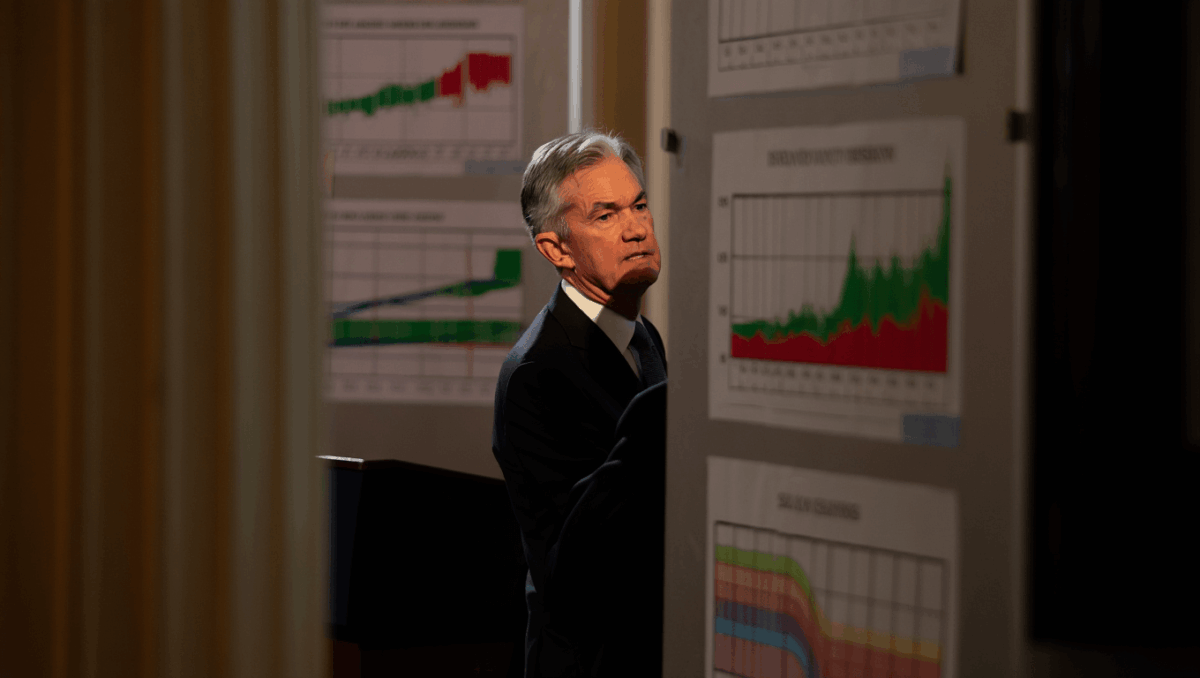
The S&P 500 edged up today after the Federal Reserve delivered its third rate cut of 2025, but market enthusiasm remained muted as policymakers signaled a slower pace of reductions ahead in 2026. The benchmark index gained 0.27% following the Fed’s decision to lower rates by 25 basis points, bringing the target range to 3.5% to 3.75%. The cautious market reaction reflects investor concerns about limited additional stimulus next year.
🔥 Quick Facts
- Federal Reserve cut federal funds rate by 25 basis points on December 10, 2025
- Target range now sits at 3.5% to 3.75%, lowest in nearly three years
- Fed projected only one additional cut in 2026, signaling slower easing pace
- S&P 500 recorded modest gain of 0.27% while Dow Jones jumped 0.8%
Market Mixed on Third Rate Cut and 2026 Outlook
Intuit emerges as best software stock for 2026 while stock crashes to bargain levels analysts didn’t expect
2026 tax brackets shock Americans with hidden paycheck truth nobody expected
The S&P 500’s modest advance masked underlying investor anxiety about the Fed’s forward guidance. While the quarter-point reduction met market expectations, the real story emerged from the Fed’s economic projections.
Federal Reserve Chair Jerome Powell emphasized the central bank now needs to “wait and see” before making additional moves, reflecting uncertainty about inflation and economic growth. The Dow Jones Industrial Average climbed 380 points, or 0.8%, while the Nasdaq Composite declined slightly, suggesting rotation away from growth stocks toward value sectors.
Marcus Lemonis takes CEO role at Bed Bath & Beyond with $25M cost-cutting plan and watch what industry experts are saying about his next move
SPX surges 34 points at open with shocking tech recovery, here’s what caused the unexpected Venezuela rally
The third consecutive cut marked the Fed’s effort to support employment while monitoring inflation risks. However, market participants expressed concern about the reduced number of anticipated cuts next year compared to earlier expectations.
Fed Projects Slower Rate Cuts, Upgrades Growth Outlook
Federal Reserve policymakers released projections showing only one rate cut expected in 2026, a significant pivot from prior expectations of multiple reductions. This shift reflects the Fed’s confidence in economic resilience and rising inflation concerns.
The Fed’s latest summary of economic projections revealed GDP growth estimates upgraded to 2.3% from the 1.8% projected in September. Simultaneously, core inflation expectations were lowered to 2.5% from 2.6%, indicating officials believe price pressures are moderating without aggressive rate cuts.
| Economic Projection | Current (Dec 2025) | Prior (Sep 2025) |
| 2026 GDP Growth | 2.3% | 1.8% |
| Core PCE Inflation | 2.5% | 2.6% |
| 2026 Rate Cuts Projected | 1 cut | Multiple cuts |
| Federal Funds Rate Range | 3.5%-3.75% | Previous range |
Fed Divided as Some Dissent on Rate Cut Decision
The Federal Reserve’s policy committee showed deeper divisions than in recent meetings, with three officials dissenting from the rate-cut decision. Seven policymakers indicated they expect no further cuts in 2026, while six officials preferred no cut in December, highlighting significant disagreement about economic conditions.
This unusual level of dissent signals internal debate about whether the Fed has already done enough to support the economy. Some officials worry inflation remains sticky and could resurge if rates fall further, while others argued current job market weakness justifies continued easing.
The divided vote reflects broader uncertainty in financial markets and among economists about the appropriate path forward. Goldman Sachs Research has forecasted just two more rate cuts total through 2026, leaving interest rates at 3.0%-3.25% by year-end.
Investor Expectations for 2026 Reduced Substantially
Financial markets are now pricing in approximately two rate cuts during all of 2026, down significantly from earlier expectations of four or more reductions. This dramatic repricing reflects the market’s acceptance of the Fed’s hawkish pivot and confidence in economic growth prospects.
The shift has important implications for asset allocation. Technology stocks, which benefit from lower rates, may face headwinds if borrowing costs remain elevated throughout 2026.
Investors also absorbed data showing the Fed did not expand its balance sheet plans or hint at future accommodation beyond the one projected cut next year. The central bank maintained its patient approach, signaling it will carefully evaluate economic data before moving.
What Does This Slower Pace Mean for Your Investments in 2026?
The Fed’s shift toward a slower rate-cutting pace creates a new investment landscape for 2026. Higher-for-longer interest rates could support bond yields and value stocks while challenging growth-dependent technology companies. Portfolio diversification becomes increasingly important in this environment.
For borrowers, the slower pace means mortgage rates and loan costs may stabilize at higher levels than many anticipated earlier this year. Savers benefit from continued elevated yields on savings accounts and Treasury bonds. The S&P 500’s modest reaction today suggests markets need time to fully digest the implications of this new Fed regime.
Fed Chair Powell’s “wait and see” comment signals the central bank will adjust if economic conditions deteriorate significantly, providing some insurance against a hard landing scenario for stocks and bonds.

Patrick Graham is a business and finance journalist translating Wall Street’s complexities into stories that matter to everyday readers. With extensive experience in financial journalism and economic analysis, this expert journalist provides sharp insights on market trends, corporate developments, and the economic forces affecting daily life. His reporting helps readers make sense of the business world’s biggest moves.