
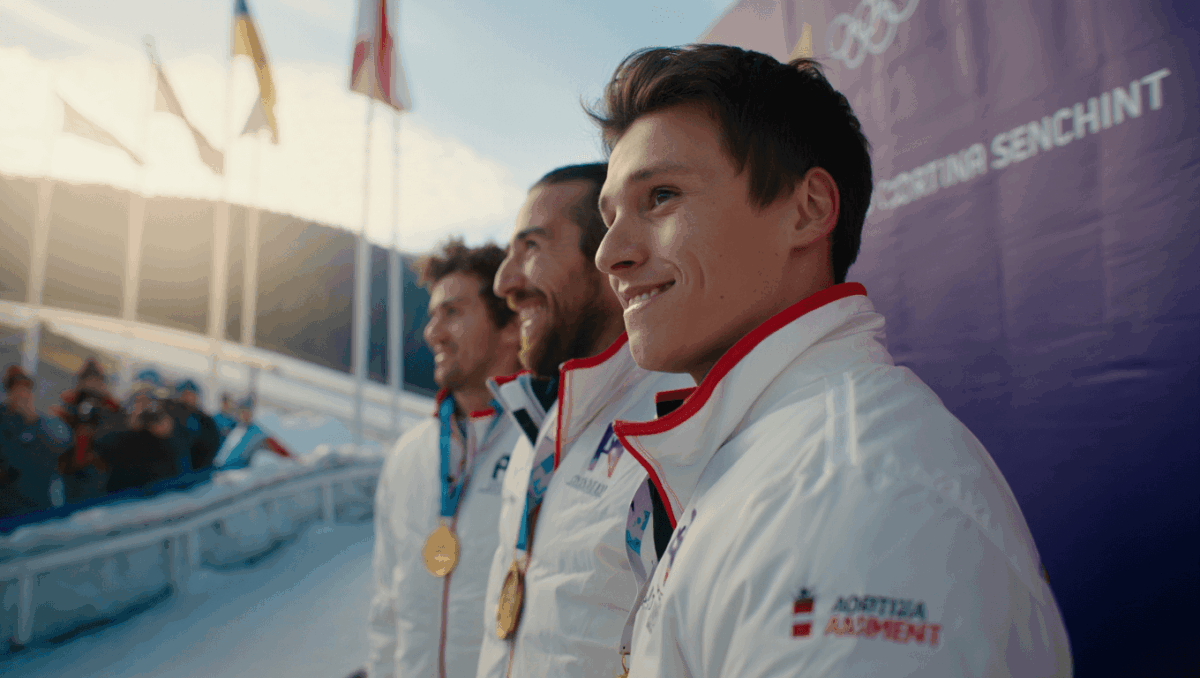
Austria dominated the luge team relay at the Milano Cortina 2026 Olympics. The Austrian squad clocked 3:42.214, a new track record. Team USA finished fourth with 3:42.776, just 0.562 seconds behind the champions.
🔥 Quick Facts
- Gold Medal: Austria with 3:42.214, setting a new track record
- USA Finish: Fourth place with 3:42.776, 0.562 seconds behind Austria
- Event Date: February 12, 2026, at Cortina Sliding Centre
- Medal Count: Italy second (3:42.521), Latvia third (3:42.749)
Austria Claims Gold on Home Ice Momentum
World Baseball Classic 2026 bracket revealed: which teams advance and when to watch
World Cup 2026: three teams set to inherit Iran’s qualification spot
Austria’s luge team relay victory marks another triumph for the Alpine nation. The squad featured experienced athletes Wolfgang Kindl and Thomas Steu leading the charge. Austria’s dominance in luge continues to shape Olympic narratives. The track record performance proves Austrian precision on ice.
Italy fought hard for silver, finishing just 0.307 seconds behind. Latvia claimed bronze with a solid 3:42.749 time, showing strong European competition. The margins were razor-thin, showcasing the elite quality of modern luge racing.
USA Falls Short in Competitive Field
Caitlin Clark powers Team USA to dominant win over Senegal in FIBA World Cup qualifier opener
USA moves into WBC quarterfinals after Italy stuns Mexico
Team USA assembled their best luge roster for the relay competition. The American squad pushed hard but came up inches short of a medal. 0.562 seconds separated fourth-place USA from Austrian gold, highlighting how tight Olympic luge competition remains. Each athlete contributed maximum effort.
The USA team included sliders competing at the highest level. Despite strong individual performances in other events, the relay proved challenging. The transfer timing and execution matter enormously in team luge formats.
Course Records Shattered at Cortina
| Rank | Country | Time |
| 1 | Austria | 3:42.214 (TR) |
| 2 | Italy | 3:42.521 |
| 3 | Latvia | 3:42.749 |
| 4 | USA | 3:42.776 |
The Cortina Sliding Centre proved ideal for pushing human speed limits. Austria’s track record reflects perfect technique, optimal sled setup, and ideal sliding conditions. The 3:42.536 previous record fell decisively. Other top finishers benefited from the same fast ice.
“Austria remains the only nation other than Germany to have won the Olympic team relay title since its introduction in 2014.”
— Source: BBC Sport coverage
European Luge Dominance at Milano Cortina
European teams swept the medals in the luge team relay event. Austria, Italy, and Latvia showcased the continent’s superiority in sliding sports. This pattern repeats across Olympic luge competitions consistently. Training infrastructure, facility access, and cultural tradition all favor European nations.
Germany notably finished outside the medals this time. Max Langenhan and teammates still competed but faced stiff Austrian resistance. The event remains extremely competitive, with nine nations participating in the relay format.
What Does This Mean for Luge’s Future?
Austria’s victory signals continued dominance in a sport where marginal gains matter enormously. Fractions of seconds separate champions from also-rans. The track record demonstrates how elite athletes push boundaries year after year. Will other nations challenge Austria’s luge supremacy going forward?
USA’s fourth-place finish shows promise but falls short of medal expectations. Team America will look to improve transition timing and sled technology. The relay format tests all four segments equally. Every athlete matters in this team competition.
Sources
- Olympics.com – Official Milano Cortina 2026 luge results and medal standings
- BBC Sport – Live coverage of the luge team relay competition
- FIL Luge Federation – International luge competition records and athlete profiles

Michael Brown is a seasoned sports journalist bringing years of experience covering professional athletics and sporting culture. With a keen eye for breaking stories and player dynamics, this veteran journalist delivers in-depth analysis and exclusive insights from the world’s biggest sporting events. His passion for the game shines through in every story, keeping fans connected to the action both on and off the field.