
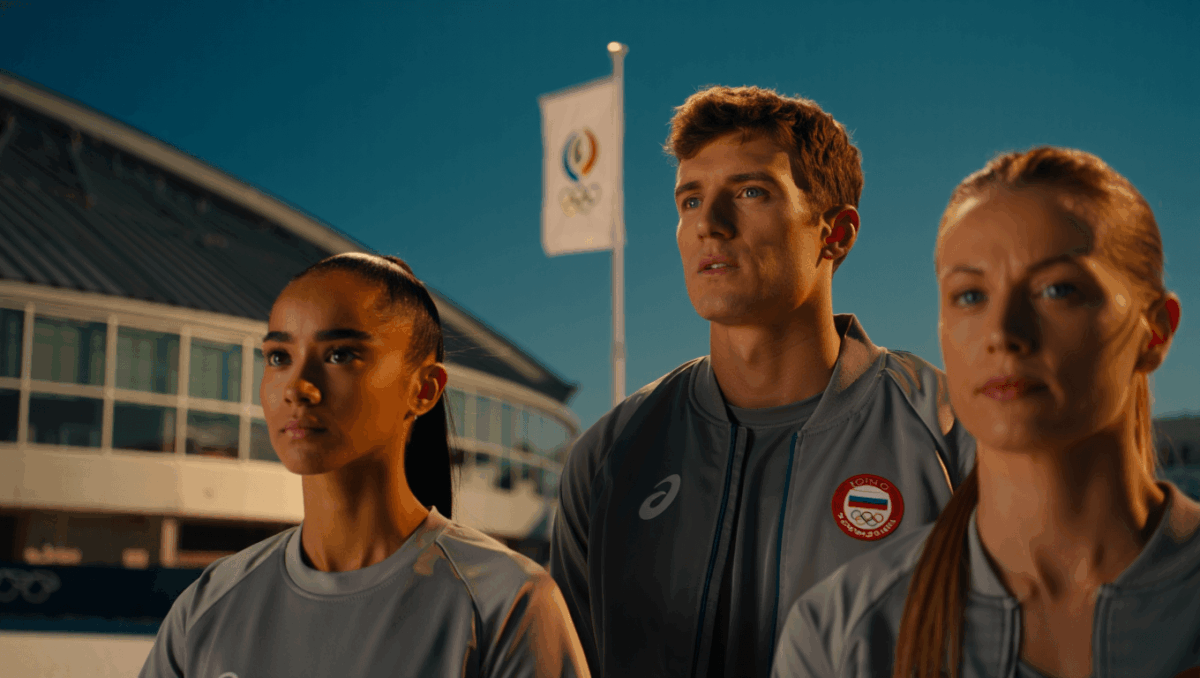
AIN is not a country, but a designation for athletes competing at the Olympics. When Russia and Belarus were banned following the 2022 invasion of Ukraine, individual athletes from these nations found a workaround. At Milan Cortina 2026, just 20 approved athletes will compete under this unique neutral status.
🔥 Quick Facts
- AIN Meaning: Stands for Athlètes Individuels Neutres, French for Individual Neutral Athletes
- Countries Represented: Russian and Belarusian athletes barred from competing for their nations
- 2026 Participation: 20 approved athletes competing without flags, anthems, or national uniforms
- Paris 2024 Success: 32 AIN athletes won 5 medals, including gold in figure skating and trampoline
The Origins: Why AIN Exists
World Baseball Classic 2026 bracket revealed: which teams advance and when to watch
World Cup 2026: three teams set to inherit Iran’s qualification spot
Russia’s full-scale invasion of Ukraine in February 2022 shocked the global sports world. The International Olympic Committee responded swiftly, banning Russian and Belarusian teams from competing. However, the IOC created a pathway for individual athletes who could prove they were not involved in supporting the war. This designation, AIN, represented a compromise. Athletes would compete as individuals, representing no nation, under strict conditions.
The French acronym reflects the Olympic movement’s international heritage. Each athlete must pass rigorous vetting to confirm they have not actively supported Russia’s military actions. Belarusian athletes face similar scrutiny due to their government’s support of Russian military operations.
What Makes AIN Athletes Different
Caitlin Clark powers Team USA to dominant win over Senegal in FIBA World Cup qualifier opener
USA moves into WBC quarterfinals after Italy stuns Mexico
AIN competitors operate under unprecedented restrictions designed to separate them from state representation. They cannot wear national flag colors in uniforms, march under a flag at opening ceremonies, or hear their national anthem played if they win medals. This stark contrast to traditional Olympic competition creates an emotionally charged experience.
At Paris 2024, AIN athletes shocked everyone by performing successfully. 32 approved competitors represented 15 Russians and 17 Belarusians. Their medal count included one gold, three silvers, and one bronze. Belarusian gymnast Ivan Litvinovich won gold in trampoline, becoming the sole gold medalist under the AIN banner. These achievements highlighted that elite talent transcends political circumstances.
The 2026 Winter Games: A Smaller Contingent
| Detail | Milan Cortina 2026 |
| Total AIN Athletes | 20 approved |
| From Russia | 13 athletes |
| From Belarus | 7 athletes |
| March Location | Milan, Italy (February 2026) |
| Restrictions | No flag, no anthem, no national colors |
The 2026 Winter Olympics approved fewer AIN athletes than the Paris Summer Games. Just 20 candidates passed vetting, down from 32 at Paris. The International Olympic Committee increased scrutiny on applicants, requiring athletes to demonstrate unequivocally that they are not linked to pro-war activity. Some Russian and Belarusian athletes who competed last summer did not qualify this time.
These 20 athletes will compete in winter sports including figure skating, short-track speed skating, and cross-country skiing. Like their summer counterparts, they cannot compete in team events. Each athlete competes as a solo competitor, not representing a squad or delegation.
“Individual Neutral Athletes will compete at the Milano Cortina 2026 Olympic Winter Games under the same conditions as for Paris 2024.”
— International Olympic Committee, Official Statement
Political Implications and Controversy
AIN status remains deeply controversial in international sports. Ukraine and its supporters argue that any Russian or Belarusian athletes competing, even as neutrals, legitimizes regimes engaged in active warfare. Some nations questioned whether the IOC should have enforced stricter bans. Others view AIN as a necessary compromise allowing athletes to compete despite geopolitical circumstances beyond their personal control.
The IOC’s position reflects a delicate balance. Olympic principles emphasize universal participation and merit-based competition. Yet those principles clash with accountability for governments supporting military aggression. AIN represents an attempted middle ground, attempting to punish nations while protecting individual athletes from collective punishment.
Will AIN Athletes Continue at Future Olympics?
The future of AIN designation remains uncertain. The IOC has not confirmed whether neutral athletes will compete at the 2028 Los Angeles Summer Olympics. If Russia and Belarus remain politically isolated and the Ukraine conflict continues, AIN status could persist for years. If geopolitical conditions change, the IOC might reconsider. The designation itself proves flexible, adapted each Olympic cycle based on circumstances.
What is clear is that 20 athletes from Russia and Belarus will ski, skate, and compete across Italy this February without flags or anthems. They represent an unprecedented Olympic moment, where individual talent meets global conflict. Their performances at Milan Cortina 2026 will test whether the Olympic ideals of universal sport can survive in a fractured geopolitical landscape.
Sources
- NBC Sports – Coverage of AIN athletes and Olympic restrictions for 2026 Winter Games
- International Olympic Committee Official Website – Individual Neutral Athletes designation and eligibility criteria
- ABC News Australia – What is AIN and why Russian and Belarusian athletes compete as neutrals

Michael Brown is a seasoned sports journalist bringing years of experience covering professional athletics and sporting culture. With a keen eye for breaking stories and player dynamics, this veteran journalist delivers in-depth analysis and exclusive insights from the world’s biggest sporting events. His passion for the game shines through in every story, keeping fans connected to the action both on and off the field.