
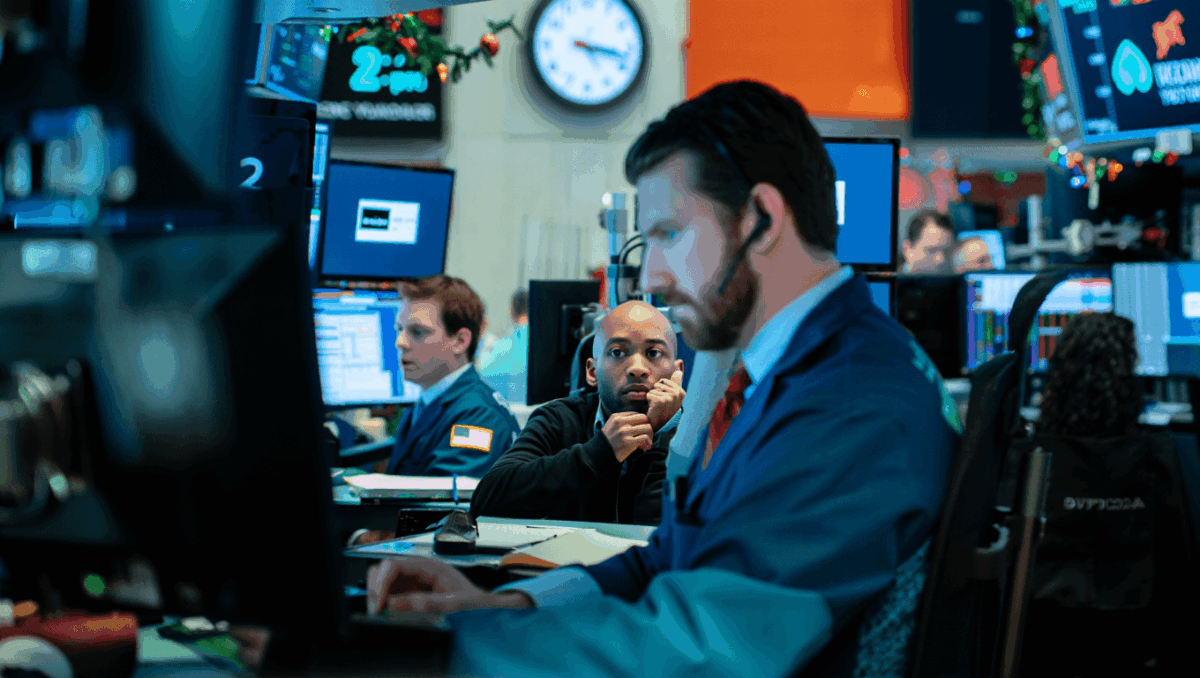
Is the stock market open on December 31, 2025? Yes, both the NYSE and Nasdaq will operate on regular trading hours today. However, the bond market closes early, and you should know exactly what to expect before placing any trades.
🔥 Quick Facts
- Stock Markets operate from 9:30 a.m. to 4:00 p.m. ET on December 31, 2025
- Bond Markets close early at 2:00 p.m. ET today, not the stock market
- Markets reopen on Friday, January 2, 2026 for normal business hours
- January 1, 2026 is closed for New Year’s Day, a federally observed holiday
Stock Market Operating on Regular Hours Today
Intuit emerges as best software stock for 2026 while stock crashes to bargain levels analysts didn’t expect
2026 tax brackets shock Americans with hidden paycheck truth nobody expected
The New York Stock Exchange and Nasdaq Stock Market will both remain open on New Year’s Eve with their standard trading schedule. Unlike some holiday periods, today is not considered a market closure or early close day for equity trading.
Trading will proceed normally from 9:30 a.m. to 4:00 p.m. Eastern Time on both exchanges. Pre-market trading begins at 4:00 a.m., and after-hours trading extends until 8:00 p.m. ET for those tracking the full trading day schedule.
Bond Market Closes Early at 2 PM
Marcus Lemonis takes CEO role at Bed Bath & Beyond with $25M cost-cutting plan and watch what industry experts are saying about his next move
SPX surges 34 points at open with shocking tech recovery, here’s what caused the unexpected Venezuela rally
The important distinction today is that U.S. bond markets will close early at 2:00 p.m. Eastern Time. This applies to Treasury bonds, corporate bonds, and fixed-income securities traded across the bond market ecosystem.
According to SIFMA (the Securities Industry and Financial Markets Association), this early close is standard protocol for New Year’s Eve. Stock traders should note this mainly affects bond trading activity and liquidity in fixed-income markets, not equity markets.
What’s Different Today Compared to Normal Trading?
| Market Segment | Status | Hours |
| Stock Market (NYSE/Nasdaq) | Open (Normal) | 9:30 a.m. – 4:00 p.m. ET |
| Bond Market | Early Close | Opens – 2:00 p.m. ET |
| Pre-Market Trading | Open (Normal) | 4:00 a.m. – 9:30 a.m. ET |
| After-Hours Trading | Open (Normal) | 4:00 p.m. – 8:00 p.m. ET |
Expect typical year-end trading conditions with potentially subdued volume as many traders wrap up positions before the holidays. Global markets have also adjusted their schedules, adding to lower overall liquidity across some trading segments.
New Year’s Day Market Closure Tomorrow
Tomorrow, January 1, 2026, all U.S. financial markets will be completely closed in observance of New Year’s Day. This includes both stock and bond markets. Markets resume regular operations on Friday, January 2, 2026.
This two-day transition means traders should finalize any critical positions during today’s regular trading hours. Plan ahead for any year-end portfolio adjustments or necessary rebalancing before the extended market closure.
Should You Be Trading Today or Planning Ahead?
Deciding whether to trade on New Year’s Eve depends on your investing strategy. Higher spreads and lower liquidity are typical on the final day of trading before a long weekend. Consider whether executing trades today justifies paying wider bid-ask spreads compared to waiting until January 2 when normal market conditions resume.
For investors managing 401(k)s, IRAs, or year-end tax planning, today offers a final chance to execute any last-minute transactions. Keep in mind that limit orders placed today will remain active through the New Year’s Day closure if not filled during today’s session.

Patrick Graham is a business and finance journalist translating Wall Street’s complexities into stories that matter to everyday readers. With extensive experience in financial journalism and economic analysis, this expert journalist provides sharp insights on market trends, corporate developments, and the economic forces affecting daily life. His reporting helps readers make sense of the business world’s biggest moves.