
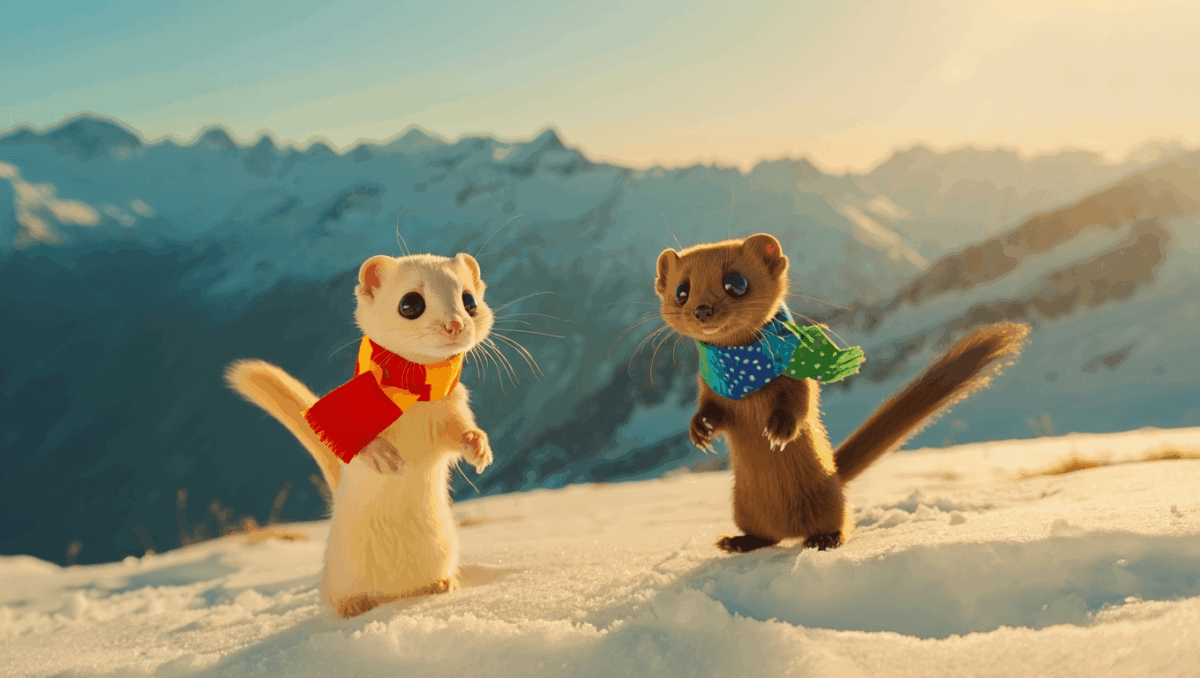
Meet Tina and Milo, the adorable stoat siblings stunning the world as the 2026 Winter Olympics mascots. These teenage stoats got the gig after 1,600 student designs and a public poll in Italy. They’re officially described as the “first openly Gen Z” Olympic mascots, and their charm is already winning hearts.
🔥 Quick Facts
- Mascot Names: Tina represents the Olympic Games, Milo represents the Paralympics, named after host cities Milan and Cortina d’Ampezzo
- Species: Mustelid weasels native to Eurasia and North America, with long slender bodies averaging 35-45 centimeters
- Appearance: Tina wears cream fur with brown-tipped tail, Milo sports brown coat with white belly, both wear iconic scarves
- Selection: Italian Ministry of Education received over 1,600 student entries before public voted between flower pair and stoats
Who Are Tina and Milo Exactly?
World Baseball Classic 2026 bracket revealed: which teams advance and when to watch
World Cup 2026: three teams set to inherit Iran’s qualification spot
Tina, the Olympic mascot, is a cream-colored stoat who loves city life, shows and concerts. She embodies a “creative, down-to-earth” spirit. Her brother Milo, the Paralympic mascot, is a mountain dweller who lives for practical jokes and snow fun. The pair represent the “contemporary Italian spirit” organizers say.
Milo’s backstory is particularly inspiring. He was born without a paw but learned to walk using his tail, embodying resilience. “Obstacles become super trampolines,” his bio states, reflecting themes of determination and adaptation that resonate with Olympic values.
The Surprising Selection Process Behind Their Rise
Caitlin Clark powers Team USA to dominant win over Senegal in FIBA World Cup qualifier opener
USA moves into WBC quarterfinals after Italy stuns Mexico
The mascot choice wasn’t random. Italy’s Ministry of Education asked primary and secondary school students to submit ideas, generating over 1,600 creative entries. Two finalists emerged: a pair of flowers and these scarf-wearing stoat siblings.
The public voted, and Tina and Milo won decisively. Organizers also brought along six snowdrop sidekicks called “The Flo”, representing rebirth. The mascots were officially unveiled in February 2024, nearly two years before the Winter Games opening ceremony began.
What Makes Stoats Perfect Olympic Ambassadors?
| Stoat Trait | Olympic Symbolism |
| Liveliness and agility | Athletic spirit and dynamic energy |
| Seasonal fur color change | Adaptation and resilience |
| Survival in mountain habitat | Environmental respect and sustainability |
| Curious and resourceful nature | Innovation and forward-thinking |
Organizers chose stoats for specific reasons. These weasel family members are “curious by nature” with surprising abilities: they change fur color seasonally and possess incredible resilience in challenging mountain terrain. The mustelid family includes otters, ferrets, badgers and wolverines, but stoats stand out for their speed, agility and determination.
“Our stoats are two cheerful and easy-going teenagers, energetic, determined and strong-willed, sometimes charmingly irreverent towards adults.”
— Milano Cortina 2026 Organizing Committee
Inside the Remarkable World of Real Stoats
Stoats are fierce hunters despite their small size. These carnivorous mammals can take down prey five times their body size. Rabbits are their preferred meal, and stoats employ a famous “dance of death” technique. By repeatedly jumping, twisting and rolling in midair, they disorient and confuse rabbits, creating the opening needed for attack.
Some stoats possess an extraordinary seasonal transformation. In winter, certain populations turn bright white, called “ermines”, allowing perfect camouflage in snow. Their tails always sport distinctive jet-black tips, even in winter coat, supposedly helping distract bird predators. These weasels are also exceptional swimmers capable of paddling long distances.
Can Olympic Mascots Like Tina and Milo Save Their Species?
The spotlight on Tina and Milo brings attention to real stoat conservation challenges. Climate change threatens their survival in surprising ways. As winters get warmer, stoats that turn white lose their camouflage advantage. Marco Granata, a biologist at the University of Turin, notes this tragic “mismatch” where completely white stoats find themselves in brown, snowless landscapes.
Will these charismatic mascots inspire lasting protection for their wild cousins? The 2026 Olympics offers a unique platform to celebrate not just human achievement but nature’s resilience and adaptation. Time will tell if Tina and Milo become symbols of successful conservation.
Sources
- NPR – Meet Milo and Tina, the ‘first openly Gen Z’ Olympic mascots, reporting on mascot selection and stoat facts
- Smithsonian Magazine – What Is a Stoat: Five fun facts about the adorable weasels and conservation challenges
- Olympics.com – Official Milano Cortina 2026 mascot information and organizing committee statements

Michael Brown is a seasoned sports journalist bringing years of experience covering professional athletics and sporting culture. With a keen eye for breaking stories and player dynamics, this veteran journalist delivers in-depth analysis and exclusive insights from the world’s biggest sporting events. His passion for the game shines through in every story, keeping fans connected to the action both on and off the field.