
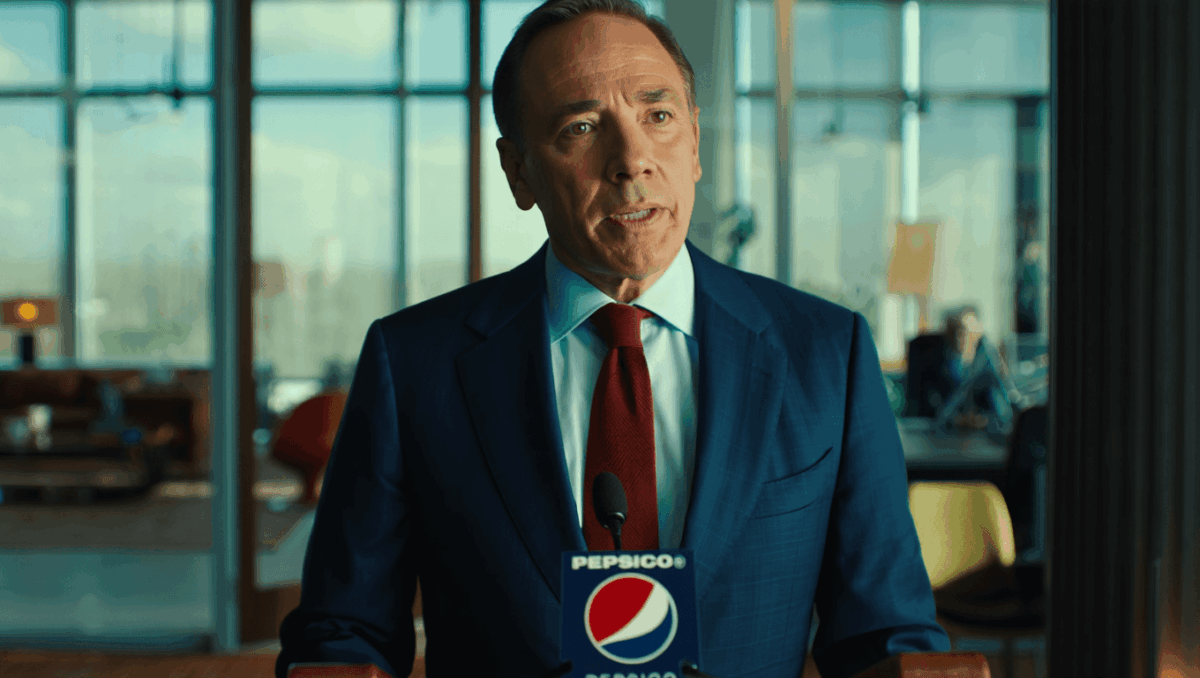
Pepsi is slashing its product lineup by approximately 20 percent in one of the most aggressive restructuring moves in the company’s recent history. The beverage and snack giant announced on December 8, 2025, that it will eliminate nearly one-fifth of its U.S. product portfolio while simultaneously implementing aggressive price cuts as part of a shareholder value enhancement plan. This sweeping transformation marks a pivotal moment for the company as it faces mounting pressure from activist investors and shifting consumer behavior.
🔥 Quick Facts
- 20% product elimination across U.S. market by early 2026, affecting stock-keeping units (SKUs) across beverages and snacks
- Elliott Management deal with activist investor pressuring PepsiCo to streamline operations and boost profit margins aggressively
- Multiple plant closures underway including shuttering of select manufacturing lines to drive operational efficiencies across divisions
- Workforce reductions tied to restructuring including 7% reduction at Frito-Lay division and broader North American job cuts
The Restructuring Deal That Changes Everything for PepsiCo
Intuit emerges as best software stock for 2026 while stock crashes to bargain levels analysts didn’t expect
2026 tax brackets shock Americans with hidden paycheck truth nobody expected
PepsiCo reached a landmark agreement with Elliott Investment Management that fundamentally reshapes how the company operates moving forward. The deal essentially commits the company to aggressive cost reduction while maintaining shareholder value through meaningful price adjustments. This represents one of the most significant operational pivots in PepsiCo’s modern era.
The restructuring initiative encompasses far more than product elimination alone. The company plans to implement aggressive expense reductions, automation upgrades, and systematic rationalization of its supply chain network. According to multiple industry reports, the overhaul signals that PepsiCo is willing to make bold decisions about which products deserve shelf space in an increasingly competitive beverage and snacks market.
What’s Being Cut: A Strategic Product Purge
Marcus Lemonis takes CEO role at Bed Bath & Beyond with $25M cost-cutting plan and watch what industry experts are saying about his next move
SPX surges 34 points at open with shocking tech recovery, here’s what caused the unexpected Venezuela rally
The elimination of nearly one-fifth of PepsiCo’s entire U.S. product portfolio means thousands of individual SKUs will disappear from retail shelves by early 2026. The company has announced that specific products slated for removal and exact extent of price reductions remain undisclosed for now, but the magnitude of this cut is historically significant. Lay’s, Doritos, and Pepsi-Cola itself represent core brand families, but many specialty and niche products face elimination.
This strategic pruning allows PepsiCo to focus on core revenue generators and high-margin offerings. The company recognizes that maintaining an oversized portfolio dilutes margins and complicates operations. By cutting weaker performers, PepsiCo redirects resources toward brands with genuine consumer pull and pricing power in a marketplace increasingly focused on affordability.
Price Cuts and Affordability Strategy in Motion
| Strategic Initiative | Expected Impact |
| Product Line Reduction (20%) | Streamlined portfolio focusing on core brands and high performers |
| Aggressive Price Cuts | Enhanced consumer affordability and value perception across remaining products |
| Manufacturing Line Closures | Operational cost reduction and improved production efficiency margins |
| Automation Implementation | Long-term labor cost reduction and supply chain modernization |
PepsiCo explicitly commits to sharper everyday value pricing across its portfolio, particularly in the Foods division. The price cuts align with broader industry trends as major retailers like Target implement aggressive affordability campaigns. Consumer spending patterns have shifted dramatically toward value-oriented purchasing in recent months, forcing food and beverage giants to respond with tangible price reductions rather than incremental discounts.
Activist Investor Pressure and Margin Recovery
Elliott Management’s intervention served as a catalyst for these dramatic changes, with the activist firm pressuring PepsiCo’s leadership to unlock margin improvement and shareholder returns. The investor maintained that the company’s operational footprint had become unnecessarily complex and costly. Elliott’s playbook typically involves identifying underutilized assets, redundant operations, and pricing inefficiencies—all areas where PepsiCo had opportunity to improve.
The deal essentially validates Elliott’s critiques while giving PepsiCo management the opportunity to execute the transformation on their terms. The company announced preliminary 2026 financial outlook targets alongside the restructuring announcement, signaling confidence that the overhaul will drive material earnings improvements. This represents a major vote of confidence from management that the restructuring path is both necessary and achievable within the timeframe outlined.
What Does This Mean for Pepsi Consumers and Competitors?
Consumers can expect fewer product choices across Pepsi’s vast portfolio, but potentially better pricing on remaining products. Much depends on which SKUs the company ultimately eliminates—if specialty beverages and premium-positioned snacks face the axe while mainstream items survive, price relief will be concentrated on high-volume products. The aggressive pricing strategy suggests consumers may see meaningful reductions on staple items like regular Pepsi-Cola, Lay’s Classic, and other volume champions.
For competitors like Coca-Cola and smaller beverage makers, this restructuring fundamentally alters competitive positioning. PepsiCo sacrifices breadth for depth, betting that focused brands with aggressive pricing can capture market share from less-nimble competitors. The company simultaneously closes manufacturing lines to cut redundancy, suggesting a possible consolidation of production capacity and distribution networks that could yield competitive advantages through improved supply chain efficiency.

Patrick Graham is a business and finance journalist translating Wall Street’s complexities into stories that matter to everyday readers. With extensive experience in financial journalism and economic analysis, this expert journalist provides sharp insights on market trends, corporate developments, and the economic forces affecting daily life. His reporting helps readers make sense of the business world’s biggest moves.