
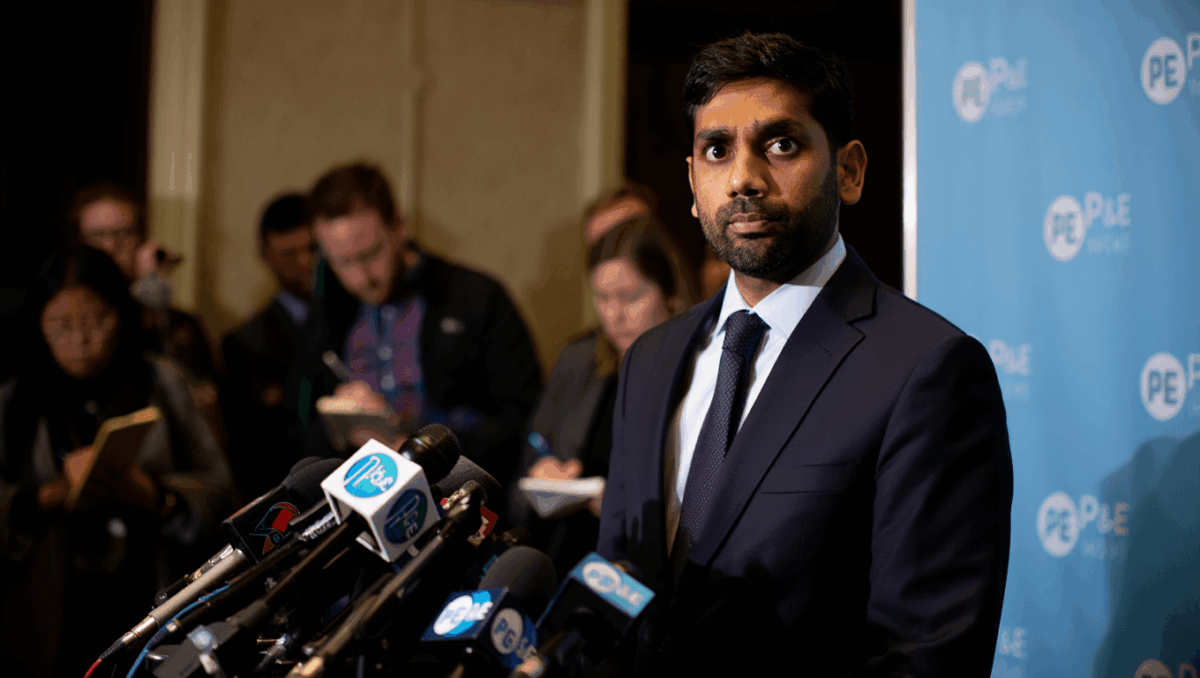
PG&E stands ready to compensate thousands of customers impacted by the devastating Christmas Eve blackout. CEO Sumeet Singh announces a historic $50 million compensation fund to help residents and businesses recover from losses. This marks a significant shift in how the utility addresses service disruptions.
🔥 Quick Facts
- 130,000 customers lost power on December 20 after a substation fire in SoMa
- $50 million compensation fund announced by CEO Sumeet Singh on December 24
- 21,000 customers still without power as of Christmas Eve morning
- Residents receive automatic $200 credit, businesses receive $2,500 credit
The Christmas Eve Blackout That Shook the Bay Area
Intuit emerges as best software stock for 2026 while stock crashes to bargain levels analysts didn’t expect
2026 tax brackets shock Americans with hidden paycheck truth nobody expected
What started as routine operations at a PG&E substation on Mission Street turned catastrophic when a fire erupted on Saturday, December 20. The blaze knocked out power to nearly 130,000 customers across San Francisco, leaving residents in darkness just days before the holidays. The timing couldn’t have been worse—the outage disrupted Christmas shopping, family gatherings, and critical services across the city.
By Sunday morning, crews had restored power to approximately 110,000 customers. However, nearly 21,000 households and businesses remain without electricity as of Christmas Eve morning. The extended restoration efforts highlight the complexity of rebuilding infrastructure damaged in the substation fire.
CEO Singh Promises Unprecedented Compensation Package
Marcus Lemonis takes CEO role at Bed Bath & Beyond with $25M cost-cutting plan and watch what industry experts are saying about his next move
SPX surges 34 points at open with shocking tech recovery, here’s what caused the unexpected Venezuela rally
PG&E CEO Sumeet Singh wasted no time addressing the crisis on December 24, rolling out an ambitious $50 million compensation fund. This represents one of the utility’s largest commitments to customer relief following a service disruption. Singh acknowledged that the outage caused significant hardship during the holiday season.
The compensation structure provides immediate relief through automatic bill credits. Residential customers will receive a $200 automatic credit to their accounts without taking any action. Business customers get a more substantial $2,500 credit to offset losses from closure and lost revenue during the blackout period.
Multi-Tiered Relief Structure Addresses Business Losses
| Customer Type | Automatic Credit | Additional Claims Available |
| Residential | $200 automatic credit | Limited (consumption-based) |
| Commercial/Business | $2,500 automatic credit | Yes, for losses exceeding $2,500 |
The two-tier approach recognizes that businesses suffered disproportionate losses during the 24+ hour blackout. Restaurants, retail stores, and service businesses couldn’t operate Saturday, December 20, and faced extended closures while restoration continued. Singh signaled that PG&E will review additional claims from businesses proving losses beyond the standard $2,500 credit.
San Francisco Mayor London Breed has stated the blackout cost the city “tens of millions of dollars” in lost economic activity. Some establishments reported individual losses exceeding $30,000, underscoring the economic devastation the outage created.
Root Cause Analysis and Future Prevention
Investigations point to a fire at the Mission Street substation in SoMa as the cause of the widespread outage. PG&E completed preventive maintenance work at the substation in October and conducted an inspection on December 5—just two weeks before the fire. The cause of the fire remains under investigation.
Singh indicated that PG&E expects smaller, targeted outages during upcoming winter storms instead of citywide blackouts. The utility plans to deploy enhanced monitoring systems and distribute load across multiple substations to prevent another catastrophic failure. Enhanced inspection protocols and upgraded equipment are also under consideration.
What This Means for PG&E’s Reputation and Regulatory Future
The $50 million commitment represents PG&E trying to rebuild public trust following years of controversies surrounding preventable wildfires and infrastructure failures. The announcement of immediate compensation without requiring customers to file claims shows the utility recognizing the severity of customer impact. However, questions remain about whether $50 million adequately covers total economic losses.
State regulators will scrutinize PG&E’s maintenance records and inspection protocols to determine if the company failed to prevent the substation fire. The California Public Utilities Commission may impose additional penalties or operational requirements on the utility. Lawsuits from affected businesses are likely, as companies demand reimbursement for provable losses.
Will PG&E’s Compensation Initiative Prevent Future Blackouts?
While the $50 million fund provides immediate relief, the critical question remains whether PG&E has addressed underlying infrastructure vulnerabilities. A single substation fire shouldn’t plunge 130,000 customers into darkness. Engineers have questioned whether older infrastructure requires complete replacement rather than repairs.
Summer months will test whether upgraded systems and distributed load management actually prevent future outages. Residents and businesses have demanded faster restoration crews, improved backup systems, and redundant power pathways to guarantee electricity supply during emergencies. Singh’s commitments suggest these investments are coming, but implementation timelines remain unclear.
Patrick Graham is a business and finance journalist translating Wall Street’s complexities into stories that matter to everyday readers. With extensive experience in financial journalism and economic analysis, this expert journalist provides sharp insights on market trends, corporate developments, and the economic forces affecting daily life. His reporting helps readers make sense of the business world’s biggest moves.