
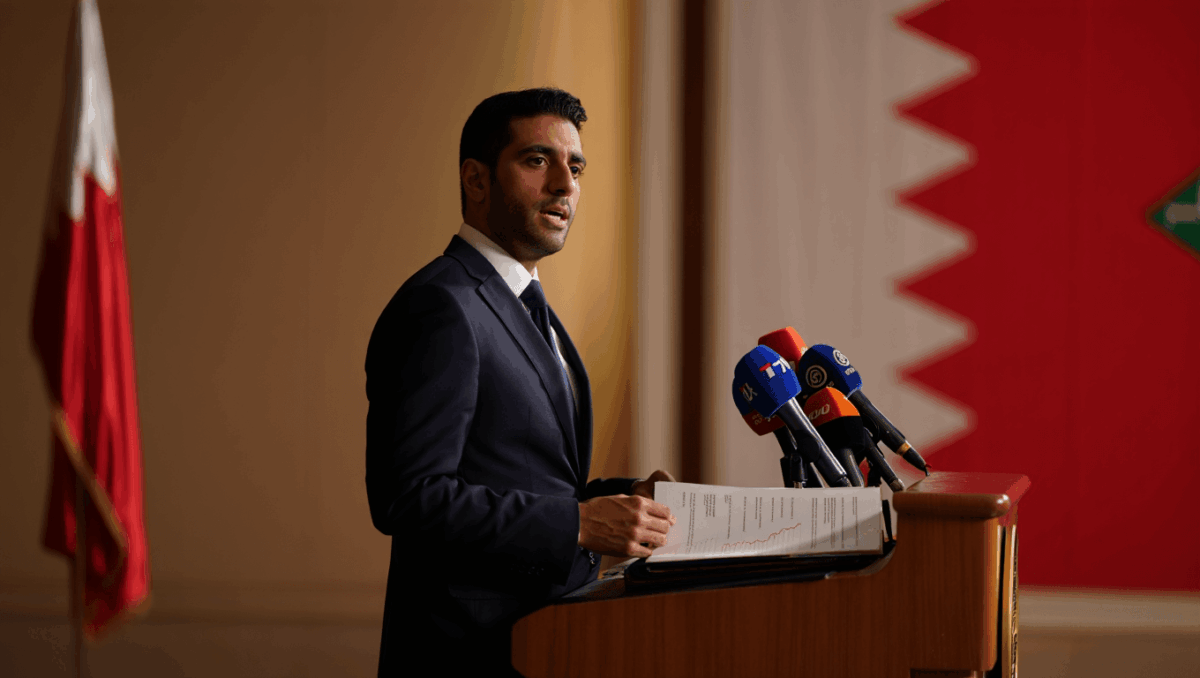
Bahrain announced a sweeping fiscal overhaul on December 29, 2025, aiming to tackle a mounting debt crisis that has reached 109% of GDP. The comprehensive reform package includes tax increases, higher utility rates, and significant government spending cuts designed to boost non-oil revenues and curb ballooning budget deficits.
🔥 Quick Facts
- Debt level: Bahrain’s debt has reached $50 billion (approximately 109% of GDP)
- Implementation date: December 29, 2025, with phased rollout into January 2026
- Administrative cuts: 20% reduction in government spending across all entities while preserving service quality
- Corporate tax: Introduction of a 20% corporate income tax to diversify revenue sources
What’s Driving Bahrain’s Urgent Fiscal Action
Intuit emerges as best software stock for 2026 while stock crashes to bargain levels analysts didn’t expect
2026 tax brackets shock Americans with hidden paycheck truth nobody expected
Bahrain faces unprecedented fiscal pressure as its gross debt climbed from BHD 16.9 billion in 2020 to BHD 25.4 billion in 2025, according to IMF assessments. The island nation’s debt servicing costs consume approximately 34% of government revenue annually, leaving limited fiscal flexibility. Oil price volatility and structural economic challenges have compelled officials to implement dramatically different revenue and spending strategies.
The IMF warned in December that without aggressive reforms, Bahrain’s debt-to-GDP ratio could escalate to 139% by 2028. Standard & Poor’s downgraded Bahrain’s credit rating to ‘B’ in November, citing challenging fiscal dynamics and the need for faster structural reforms. These warnings prompted the cabinet to approve this comprehensive package to stabilize public finances before the situation deteriorates further.
Key Components of the Reform Package
| Reform Measure | Details |
| Fuel prices | Significant increases across gasoline, diesel, and fuel products |
| Electricity tariffs | Higher rates for higher-consumption users; basic rates protected for citizens |
| Water tariffs | Price increases for higher usage tiers; basic tier maintained at current rates |
| Natural gas pricing | Rate increases for industrial users to match international benchmarks |
| Government spending | 20% reduction in administrative expenses across all ministries and entities |
| Corporate tax | New 20% corporate income tax to boost non-oil revenue streams |
Social Protections and Targeted Support Strategy
Marcus Lemonis takes CEO role at Bed Bath & Beyond with $25M cost-cutting plan and watch what industry experts are saying about his next move
SPX surges 34 points at open with shocking tech recovery, here’s what caused the unexpected Venezuela rally
The government emphasized that reforms include targeted protections for vulnerable populations and low-income citizens. Electricity and water prices remain unchanged for the first and second consumption tiers, ensuring basic utility access remains affordable for essential household use. The cabinet stated that direct subsidies and targeted support will protect citizens most vulnerable to price increases.
The approach balances fiscal necessity with social welfare by maintaining current rates for baseline consumption while imposing progressive price structures for higher usage. Officials described this strategy as protecting citizens’ access to essential services while encouraging efficiency and conservation. The government plans to maintain safety-net programs during implementation of these significant changes.
Timeline and International Support
January 2026 marks the official implementation date for the comprehensive reform package, giving government entities and businesses time to prepare. The IMF has endorsed Bahrain’s reform direction, recommending the introduction of corporate income tax and reduction of broad energy subsidies. The IMF projects Bahrain’s economy will grow 3.3% in 2026 as reform measures take effect and international markets respond positively to fiscal consolidation efforts.
Bahrain raised $5 billion from global debt markets in 2025, benefiting from international investor confidence supported by announcements of serious fiscal reforms. The government previously announced it has raised capital through Islamic bonds and conventional debt instruments. This successful fundraising demonstrates that transparent commitment to reform efforts attracts sustained international financial support despite economic challenges.
What Comes Next for Bahrain’s Economic Recovery
The cabinet’s December 29 announcement signals that Bahrain is pursuing an aggressive but measured fiscal consolidation strategy focusing on both revenue enhancement and spending efficiency. Implementation of this sweeping fiscal overhaul will determine whether the kingdom can arrest its debt trajectory and restore fiscal sustainability. Citizens, businesses, and international observers will closely monitor execution during the critical 2026-2027 period.
Success requires maintaining political commitment to unpopular reforms while managing public reaction to higher utility and fuel costs. Economic growth projections and continued IMF support hinge on transparent implementation and completion of the full reform agenda. The next 12-18 months will prove whether Bahrain’s boldest fiscal effort can successfully address the $50 billion debt crisis before international credit conditions deteriorate further.
Sources
- The Media Line – Detailed reporting on debt levels and reform announcement
- Bloomberg – Corporate tax and fiscal measures analysis
- Gulf News – Specific tariff and pricing increases coverage

Patrick Graham is a business and finance journalist translating Wall Street’s complexities into stories that matter to everyday readers. With extensive experience in financial journalism and economic analysis, this expert journalist provides sharp insights on market trends, corporate developments, and the economic forces affecting daily life. His reporting helps readers make sense of the business world’s biggest moves.