
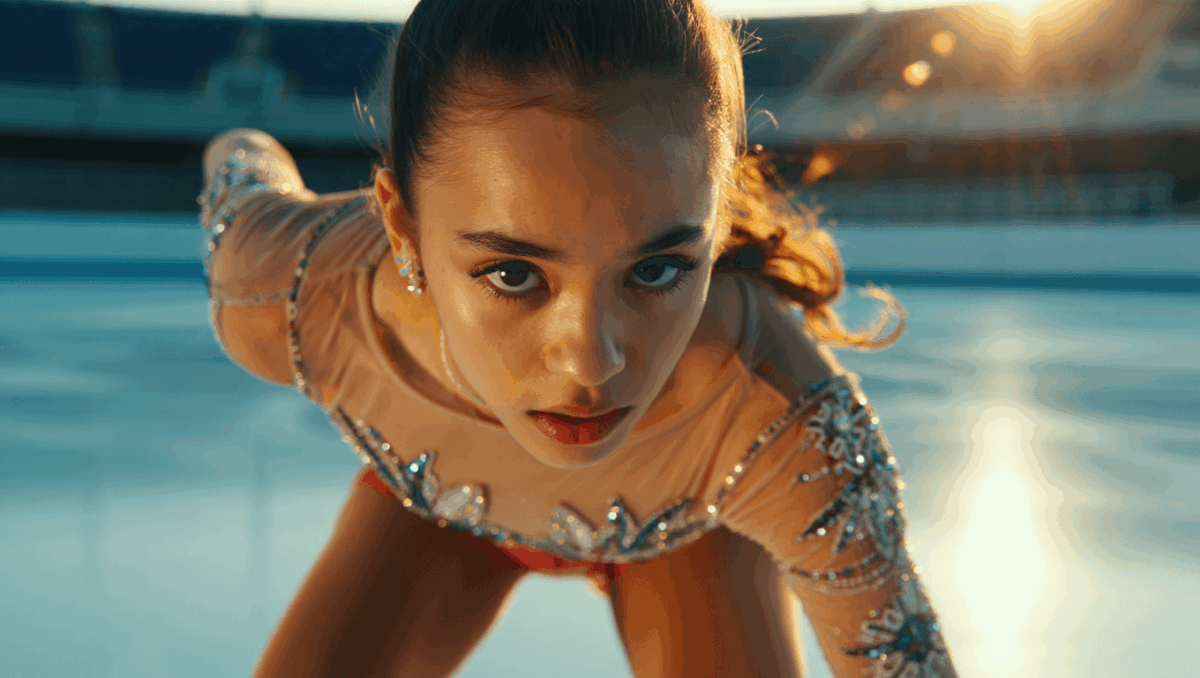
Russia is officially banned from competing at the 2026 Winter Olympics in Milan-Cortina, but 13 Russian athletes just received clearance to compete as neutral athletes instead. This complex situation reveals how individual competitors operate under strict international scrutiny during wartime.
🔥 Quick Facts
- 13 Russian athletes cleared to compete as Individual Neutral Athletes at 2026 Milan-Cortina Games
- Russia banned as a country since 2022 due to invasion of Ukraine and violation of Olympic Truce
- 8 sports featuring neutral Russian competitors: Alpine skiing, figure skating, luge, speed skating, cross-country skiing, freestyle skiing, ski mountaineering, short-track speed skating
- Controversial vetting process under question with BBC Sport reporting potential pro-war activity links among cleared athletes
Why Russia Cannot Compete as a Nation
World Baseball Classic 2026 bracket revealed: which teams advance and when to watch
World Cup 2026: three teams set to inherit Iran’s qualification spot
The International Olympic Committee issued a ban against Russia competing as a country in May 2025, citing Russia’s 2022 invasion of Ukraine as a violation of the Olympic Truce. This ancient tradition calls for laying down arms and establishing peace during the Games. The same restrictions apply to Belarus, which supported Russia’s war effort.
If any neutral Russian athlete wins gold, a wordless IOC-created anthem will play instead of Russia’s national song. These athletes are barred from the Opening Ceremony on February 6 and their medals won’t count toward any official medal standings. The host nation receives 92 countries in total medal competition.
The Neutral Athlete Pathway
Caitlin Clark powers Team USA to dominant win over Senegal in FIBA World Cup qualifier opener
USA moves into WBC quarterfinals after Italy stuns Mexico
Individual Neutral Athletes, or AINs, represent a compromise created by the IOC allowing athletes to compete despite national bans. Each athlete must meet strict eligibility criteria including no public support for the war, no military contracts, and proven anti-doping compliance. An IOC eligibility panel, which includes three-time NBA Olympic medalist Pau Gasol, reviews every application before approval.
International federations in each sport independently decide whether to permit neutral competitors. Some, like the International Bobsleigh and Skeleton Federation, completely rejected the neutral pathway. Others like the International Skating Union allowed full participation. Athletes from team sports like ice hockey and curling remain ineligible entirely.
The 13 Russian Neutral Competitors at Milan-Cortina
| Sport | Athletes | Names |
| Figure Skating | 2 | Adeliia Petrosian, Petr Gumennik |
| Alpine Skiing | 2 | Yulia Pleshkova, Simon Efimov |
| Cross-Country Skiing | 2 | Savelii Korostelev, Daria Nepryaeva |
| Luge | 2 | Daria Olesik, Pavel Repilov |
| Short-Track Speed Skating | 2 | Ivan Posashkov, Alena Krylova |
| Speed Skating | 2 | Kseniia Korzhova, Anastasiia Semenova |
| Ski Mountaineering | 1 | Nikita Filippov |
“Getting ready for competition in occupied territories, or supporting the war on social media, it is definitely not right to call them neutral because they’re not.”
— Vladyslav Heraskevych, Ukraine’s skeleton racer and Closing Ceremony flag bearer
Serious Questions About the Vetting Process
BBC Sport exposed concerning evidence suggesting some approved athletes may have links to pro-war activity. Figure skater Petr Gumennik has worked with Ilya Averbukh, who served as Crimea’s ambassador for sport and staged performances for Russian military families. Cross-country skier Savelii Korostelev liked pro-Putin military content on social media and is affiliated with CSKA, Russia’s armed forces training club.
Speed skater Kseniia Korzhova liked pro-war posts from sanctioned gymnast Nikita Nagorny, who faces UK and EU sanctions for forced Ukrainian child deportation. Daria Nepryaeva attended a training camp in illegally annexed Crimea in May 2022, months after Russia’s full-scale invasion began. Ukraine’s Olympic Committee formally protested the eligibility of both Gumennik and Korzhova.
Will This Controversy Shape the Games and Beyond?
Ukraine’s Vladyslav Heraskevych called the current neutral framework inadequate and urged IOC review. Ukrainian athletes and officials remain frustrated that competitors potentially linked to war support can compete. The controversial vetting process highlights ongoing tensions between Olympic ideals of inclusivity and accountability for state-level actions.
Some sports federations fought harder than others against allowing neutrals. The International Ski and Snowboard Federation attempted a complete ban, though the Court of Arbitration for Sport overturned that stance in December 2025. These legal battles delayed final athlete clearances close to the Games’ opening date on February 6, 2026.
Sources
- USA Today – Comprehensive breakdown of Russia’s Olympic ban and neutral athlete eligibility criteria
- BBC Sport – Investigative reporting on pro-war activity links and panel vetting concerns
- CBS Sports – Details on Russia and Belarus sanctions, neutral athlete numbers, and historical context
Michael Brown is a seasoned sports journalist bringing years of experience covering professional athletics and sporting culture. With a keen eye for breaking stories and player dynamics, this veteran journalist delivers in-depth analysis and exclusive insights from the world’s biggest sporting events. His passion for the game shines through in every story, keeping fans connected to the action both on and off the field.