
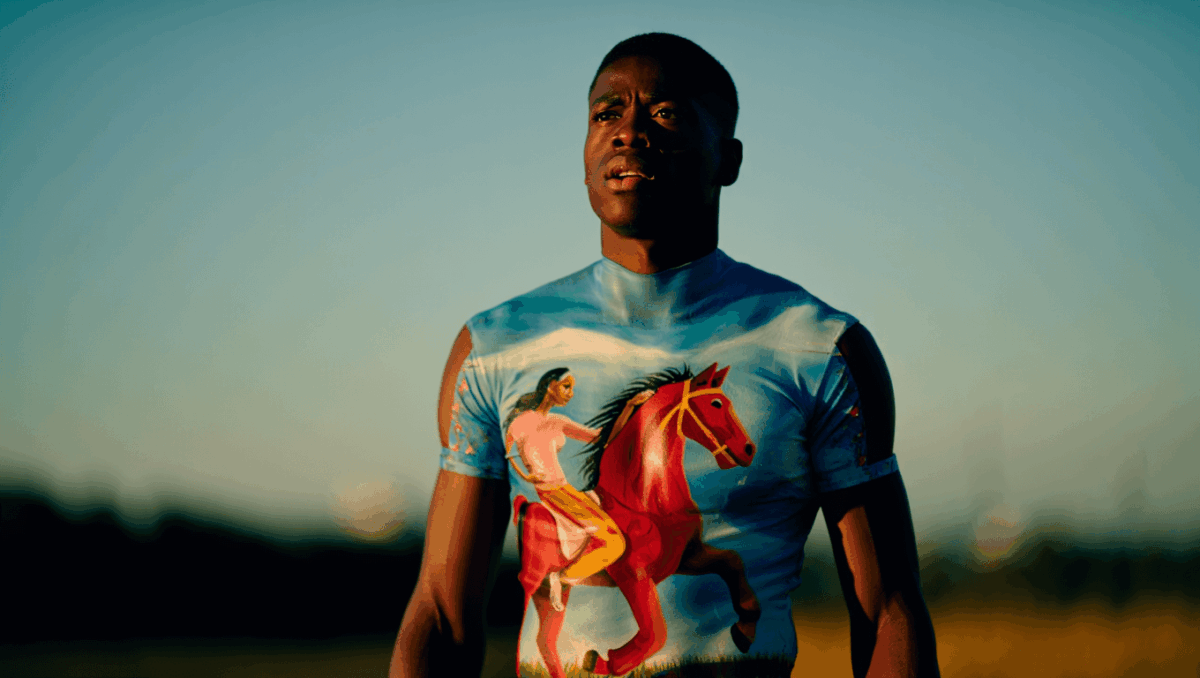
Haiti just made Olympic history with something nobody expected at the 2026 Winter Games. The hand-painted uniforms that turned heads at Friday’s Opening Ceremony are the only ones completely painted by artisans in the event’s 100-year history. But this triumph emerged from a last-minute crisis that could have left the nation with nothing.
🔥 Quick Facts
- Uniforms are hand-painted: Completely hand-painted by Italian artisans, a first in Winter Olympics history
- Designer: Stella Jean, Italian-Haitian fashion designer who also created Haiti’s Paris 2024 Summer Olympics look
- Inspiration: Featured a red riderless horse against tropical sky-blue background, inspired by Haitian artist Édouard Duval-Carrié
- Artists competing: Richardson Viano (alpine skiing) and Stevenson Savart (cross-country skiing) for Haiti
When Olympic Politics Changed Everything
World Baseball Classic 2026 bracket revealed: which teams advance and when to watch
World Cup 2026: three teams set to inherit Iran’s qualification spot
On January 4, nearly one month before opening ceremonies, the International Olympics Committee blocked Haiti’s original design. The uniforms initially featured a powerful portrait of Toussaint Louverture, the revolutionary leader who founded Haiti as the world’s first Black republic in 1804. The IOC ruled the image violated rules against political propaganda on athletes’ clothing.
Stella Jean faced total despair. She had already invested months designing for free with zero budget. The team had only one uniform each, no backup. Haiti’s nine-second window at the opening ceremony hung in balance. Yet Jean remembered her mother’s wisdom: “In moments of challenge, don’t focus on what is missing, look at what you already have.”
From Crisis to Creative Miracle
Caitlin Clark powers Team USA to dominant win over Senegal in FIBA World Cup qualifier opener
USA moves into WBC quarterfinals after Italy stuns Mexico
Jean called together Italian artisans and former ski champion Pietro Vitalini. Working day and night for five days straight, they hand-painted completely new uniforms. The red horse remained, but now riderless, symbolizing Louverture’s absence speaking louder than his presence. The verdant tropical landscape stayed intact, conveying Haiti’s natural beauty and resilience.
The team delivered the finished uniforms to Milan just two days before the ceremony. Jean had one remaining worry: the paint might run if rain fell on the synthetic material. As she said, “I just pray it doesn’t rain.” The uniforms became a cultural record, the world’s first completely hand-painted Olympic kit born from a barrier.
Symbols Woven Into Every Thread
| Design Element | Cultural Meaning |
| Red Riderless Horse | Represents Toussaint Louverture stripped by censorship, Haitian resistance |
| Tropical Sky-Blue Background | References Haiti’s natural landscape, beauty despite hardship |
| Tignon (headwrap) | Enslaved women forced to cover hair by colonizers, transformed into art |
| Creole Earrings | Only jewelry enslaved women were allowed to keep, symbols of identity |
| Large Pockets | Market baskets women carried, representing Haiti’s economy and labor |
According to Stella Jean, every centimeter of fabric carries historic meaning. Haiti is 200 years past its revolution, yet Toussaint remains a political symbol. The IOC’s decision sparked global conversation. Jean said, “We did not erase the spirit of the General. His absence speaks louder than his presence ever could.” The international coverage proved it. Haiti’s nine seconds of visibility became millions of conversations.
Haiti’s Moment of Global Pride
Consider the context: Haiti controls only 10 percent of its capital amid gang violence. The nation battles economic crisis, natural disasters, and international scrutiny. Yet here, two athletes representing one of the world’s smallest delegations stood equal to every other nation. Their hand-painted uniforms, created through pure artistry and determination, embodied survival itself.
Édouard Duval-Carrié, the Haitian-American artist whose work inspired the design, will represent Haiti at the Venice Biennale later this year, an event often called “the art world Olympics.” His 2006 painting showing Louverture on horseback holding a snake (representing Damballa, the Voodoo spirit of wisdom and peace) became the most talked-about Olympic uniform story of 2026.
What Does Haiti’s Viral Uniform Victory Mean for Future Olympics?
Did the IOC expect this outcome? Probably not. A rule designed to keep politics out of sports sparked the most politically significant uniform in modern Olympic history. Stella Jean plans to show the uncensored version, with Toussaint fully painted, during Milan Fashion Week in coming weeks. The story isn’t ending. Fashion and politics intersect where they always have: human bodies wearing human stories.
Haiti refuses to disappear. The nation still exists, resists, and creates. For two hours Friday night, the world watched not athletes competing, but a nation’s soul painted by hand onto fabric by Italian artisans. That’s not decoration. That’s visibility as survival. What happens when the smallest voices make the loudest statement through art, defiance, and love for homeland?
Sources
- Olympics.com – Official Winter Olympics 2026 coverage and uniform designer interview
- Artnet News – Haiti’s hand-painted uniforms as story of resistance and artistic response to censorship
- Dazed Digital – Exclusive Stella Jean interview on design process, IOC decision, and cultural symbolism

Michael Brown is a seasoned sports journalist bringing years of experience covering professional athletics and sporting culture. With a keen eye for breaking stories and player dynamics, this veteran journalist delivers in-depth analysis and exclusive insights from the world’s biggest sporting events. His passion for the game shines through in every story, keeping fans connected to the action both on and off the field.