
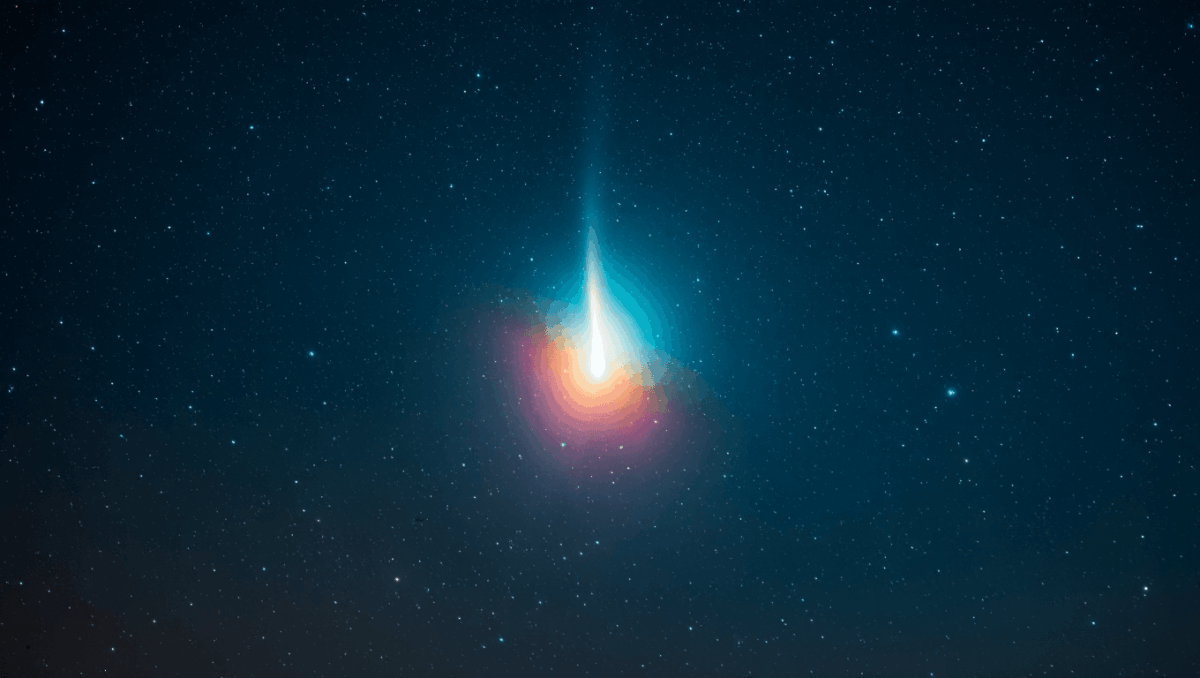
Interstellar Comet 3i ATLAS NASA has captured the world’s attention with stunning new images released this week showing the rare visitor in unprecedented detail. The cosmic wanderer displays two distinct tails and remarkable activity as it approaches its closest encounter with Earth on December 19, 2025.
🔥 Quick Facts
- Discovery date: July 1, 2025 by NASA-funded ATLAS survey telescope in Chile
- Earth approach: December 19, 2025 at approximately 167 million miles (270 million kilometers) away
- Latest images: Released December 8-9 from Hubble Space Telescope and ESA Juice spacecraft
- Visibility: Requires telescopes with at least 30cm aperture — not visible to naked eye
Stunning New Images Reveal Comet’s Remarkable Structure
Intuit emerges as best software stock for 2026 while stock crashes to bargain levels analysts didn’t expect
2026 tax brackets shock Americans with hidden paycheck truth nobody expected
NASA and the European Space Agency released extraordinary photographs this week showing Comet 3i/ATLAS in stunning detail. The Hubble Space Telescope captured images on November 30, 2025 revealing a brilliant glowing halo of gas surrounding the icy nucleus, creating what scientists describe as a dazzling brightness. The images showcase the comet’s distinctive dual tail system composed of both dust and plasma material.
The comet displays high activity levels despite traveling at 153,000 miles per hour through space. Astronomers note the jets of material actively streaking from the comet’s surface, indicating ongoing chemical reactions triggered by solar heating. The latest photographs provide the clearest views yet of this rare interstellar visitor as forecasters track its trajectory through the inner solar system.
Journey Through the Solar System and Earth Approach Timeline
Marcus Lemonis takes CEO role at Bed Bath & Beyond with $25M cost-cutting plan and watch what industry experts are saying about his next move
SPX surges 34 points at open with shocking tech recovery, here’s what caused the unexpected Venezuela rally
Comet 3i/ATLAS, also designated C/2025 N1, passed its closest point to the Sun on October 30, 2025 at a distance of approximately 130 million miles (210 million kilometers). This encounter with the Sun’s heat accelerated the comet’s outgassing, triggering the spectacular activity visible in recent images. The comet is now moving away from the Sun toward its closest approach with Earth.
The historic flyby event occurs on Friday, December 19, 2025, when the comet reaches its minimum distance from Earth. Despite this relatively close encounter in astronomical terms, the 170 million-mile separation poses absolutely no threat to our planet. Observers with moderate telescopes will have several weeks to observe this once-in-a-lifetime celestial event before the comet continues its journey outward.
How to Observe the Interstellar Visitor This Month
| Observation Factor | Details |
| Minimum telescope aperture | |
| Best viewing time | December 10-31, 2025 (through early January) |
| Sky location | Constellation of Leo (currently visible before dawn) |
| Naked eye visibility | No — telescope or binoculars needed |
| Enhanced viewing technique | Electronic-assisted astronomy (EAA) systems with live stacking |
Amateur astronomers and professional observers should prioritize viewing within the next two weeks while the comet remains at maximum brightness. NASA’s skywatching tips recommend using star charts and telescopes with quality optics to locate this rare visitor. The comet will remain observable through powerful instruments for several more months as it recedes into deep space.
Multiple Space Missions Capture Historic Observations
This interstellar comet represents an extraordinary opportunity for space agencies worldwide. The ESA’s Juice spacecraft, currently journeying toward Jupiter’s icy moons, captured remarkable navigation camera images on November 2, 2025, during its close approach to the comet. These unplanned observations revealed unexpected jets and structural details that surprised researchers analyzing the data.
NASA compiled images from multiple spacecraft and satellites including the Hubble Space Telescope, Mars Reconnaissance Orbiter, and various other observatories stationed throughout the solar system. Scientists continue conducting X-ray observations and radio monitoring to study the comet’s composition and behavior. Such coordinated international observations provide unprecedented insight into this rare visitor from interstellar space.
Why Does This Comet Matter More Than Other Space Events?
Interstellar visitors like Comet 3i/ATLAS arrive perhaps once per decade, making this encounter exceptionally rare in human timescales. Unlike periodic comets that return regularly, this object follows a hyperbolic orbit meaning it will never return to our solar system after this historic passage. Scientists recognize the scientific value of studying materials that originated in distant star systems.
The comet’s arrival sparked intense research into its composition, trajectory, and origins. Astrophysicists use such events to better understand how planetary systems form and evolve across the galaxy. The collected data and imagery from this December 2025 encounter will inform astronomical research for decades. This cosmic messenger offers a unique window into the universe beyond our solar neighborhood.
Sources
- CNN Science – Interstellar comet observations and Earth approach details
- NASA Science Portal – Official Comet 3I/ATLAS information and mission data
- European Space Agency – Juice spacecraft observations and ESA research

Patrick Graham is a business and finance journalist translating Wall Street’s complexities into stories that matter to everyday readers. With extensive experience in financial journalism and economic analysis, this expert journalist provides sharp insights on market trends, corporate developments, and the economic forces affecting daily life. His reporting helps readers make sense of the business world’s biggest moves.