
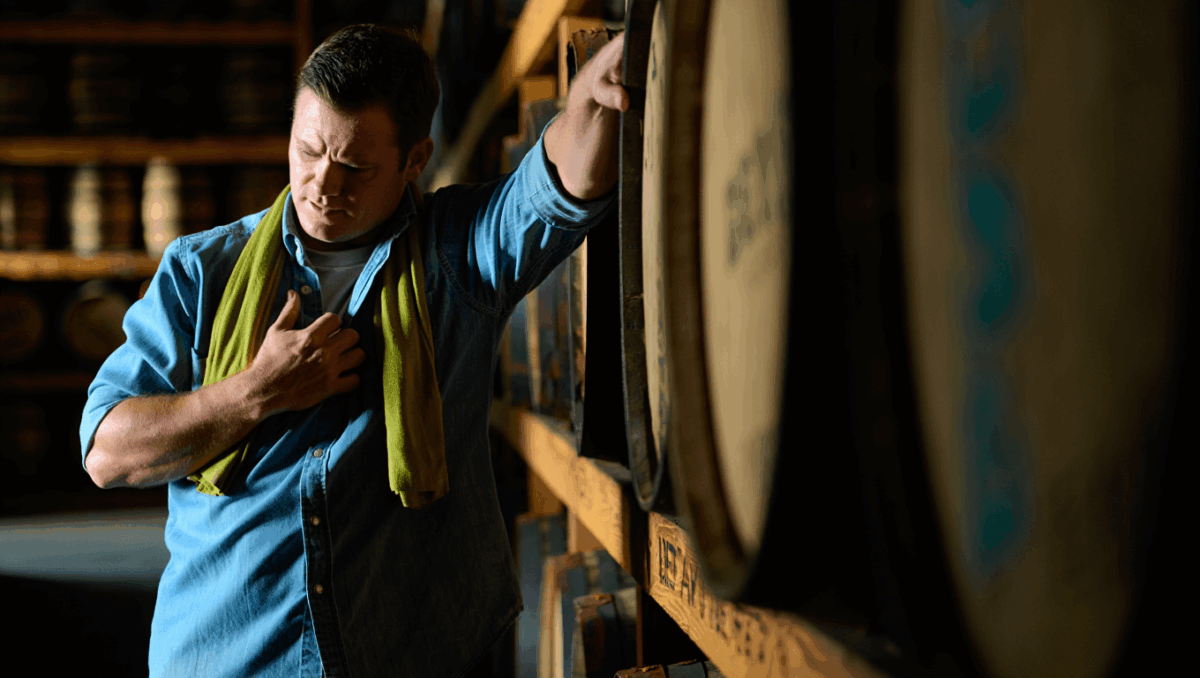
The liquor industry faces a perfect storm as distillery bankruptcies surge across America. Tariff wars, plummeting alcohol demand, and policy-driven boycotts are crippling producers from Kentucky to Ohio, with major brands filing Chapter 11 protection this year.
🔥 Quick Facts
- Multiple distilleries including Westward Whiskey, Boston Harbor Distillery, and A.M. Scott Distillery filed for Chapter 11 bankruptcy in 2025
- Jim Beam, America’s largest bourbon producer, halted production at its flagship Kentucky facility for all of 2026
- U.S. alcohol exports declined 9 percent year-over-year in Q2 2025, with Canada experiencing an 85 percent drop
- 15 percent tariffs on EU spirits could raise wholesale prices by more than 80 cents per gallon, threatening approximately 25,000 American jobs
The Collapse Spreading Through Distilling
Intuit emerges as best software stock for 2026 while stock crashes to bargain levels analysts didn’t expect
2026 tax brackets shock Americans with hidden paycheck truth nobody expected
Since March 2025, the number of liquor brand bankruptcies accelerated dramatically. Boston Harbor Distillery filed on March 31, 2025, citing persistent liquidity challenges. Westward Whiskey followed in April 2025, struggling with significant cash flow problems before private investors rescued assets in October. A.M. Scott Distillery, founded in Ohio in 2022, joined the wave just days ago with liabilities between $1 million and $10 million.
Other fallen brands include Stoli Group USA (owner of Stoli vodka), Black Button Distilling, and the family-owned Luca Mariano Distillery. Each filed seeking restructuring under bankruptcy protection. The Distilled Spirits Council reports that three prominent Kentucky distilleries collapsed into bankruptcy over just eight months, marking the most severe downturn in decades.
Tariff Shockwaves Hit Global Markets
Marcus Lemonis takes CEO role at Bed Bath & Beyond with $25M cost-cutting plan and watch what industry experts are saying about his next move
SPX surges 34 points at open with shocking tech recovery, here’s what caused the unexpected Venezuela rally
President Trump’s 15 percent tariff on EU spirits and 10 percent on UK spirits are reshaping international trade. The Wine & Spirits Wholesalers of America estimated that pricing increases could reach 80 cents per gallon wholesale for imported spirits, directly translating to higher bar and retail prices. Industry groups estimate the damage at nearly $2 billion in lost U.S. sales and over 25,000 job losses.
Trade retaliation compounds the crisis. Canada banned American spirits from shelves starting March 2025, causing exports to plummet 85 percent to that nation. The United Kingdom saw 29 percent export declines, while Japan experienced 23 percent drops. International consumers increasingly substitute U.S. spirits with domestic alternatives or imports from other countries.
| Market Impact | 2025 Change | Details |
| Overall Exports | -9% | Year-over-year decline in Q2 2025 |
| Canada Exports | -85% | Tariff retaliation and boycotts |
| UK Exports | -29% | Post-tariff implementation decline |
| Japan Exports | -23% | Shifting consumer preferences |
Domestic Alcohol Demand Reaches Historic Lows
Beyond tariff chaos, American drinking habits continue shifting downward. Only 54 percent of U.S. adults consume alcohol, the lowest rate in Gallup’s 90 years of polling. Younger Americans especially shun spirits as health concerns rise and cannabis legalization spreads. Alcohol consumption among Gen Z represents a fundamental generational change that no tariff will fix.
A.M. Scott Distillery acknowledged in court filings that year-over-year performance dropped approximately 75 percent. Supply chain damage compounds weak demand. Retailers report slower sales and shortages of popular brands as tariffs disrupt normal inventory flows. Even major brands like Diageo removed long-held sales targets in February 2025, signaling deep uncertainty about future growth.
Jim Beam’s Historic Production Halt Signals Industry Crisis
The biggest shock came December 2025 when Jim Beam, the world’s largest bourbon producer, announced it would shutter its flagship Clermont, Kentucky distillery for the entire year of 2026. The Suntory-owned brand cited assessment of consumer demand and the need to evaluate appropriate production levels. This marks the first major production halt at the historic facility in over two decades of rapid growth.
Spirit consultant F. Paul Pacult told Newsweek in October: “The Canadian boycott in response to tariffs is one of several reasons why American whiskey producers are feeling edgy. Other factors include major generational consumption preference changes, negative press from health studies concerning alcohol dangers, cannabis legalization, and in some cases, blatant overproduction.”
“International consumers appear increasingly inclined to substitute U.S. spirits with domestic alternatives or imports from other countries. This shift may reflect a broader sentiment that U.S.-imposed tariffs are unfair, prompting consumers to support their domestic industries or seek non-U.S. products in response.”
— Distilled Spirits Council of the United States, Mid-Year Report 2025
Can the Industry Weather This Perfect Storm?
Recovery prospects appear bleak. Tariff petitions flood the White House, with industry groups warning “severe consequences” if rates remain at 15 percent. The Wine & Spirits Wholesalers of America joined forces with bar associations to urge tariff relief, but political resolve shows no signs of weakening. Bankruptcy filings will likely accelerate into 2026 as distilleries assess inventory losses and reduced export revenue.
Some companies restructure with private investor backing. Westward Whiskey emerged from bankruptcy in October 2025 with new ownership, reporting 53 percent sales growth despite the chaos. Others like A.M. Scott express optimism about “a strong rebound” after restructuring. Yet the industry consensus suggests “lean years” ahead as multiple headwinds converge into an unprecedented crisis.
Sources
- Newsweek — Coverage of multiple distillery bankruptcy filings and industry impacts
- Reuters — Tariff impact analysis on alcohol wholesale pricing and job losses
- Distilled Spirits Council of the United States — Export data and mid-year market reports

Patrick Graham is a business and finance journalist translating Wall Street’s complexities into stories that matter to everyday readers. With extensive experience in financial journalism and economic analysis, this expert journalist provides sharp insights on market trends, corporate developments, and the economic forces affecting daily life. His reporting helps readers make sense of the business world’s biggest moves.