
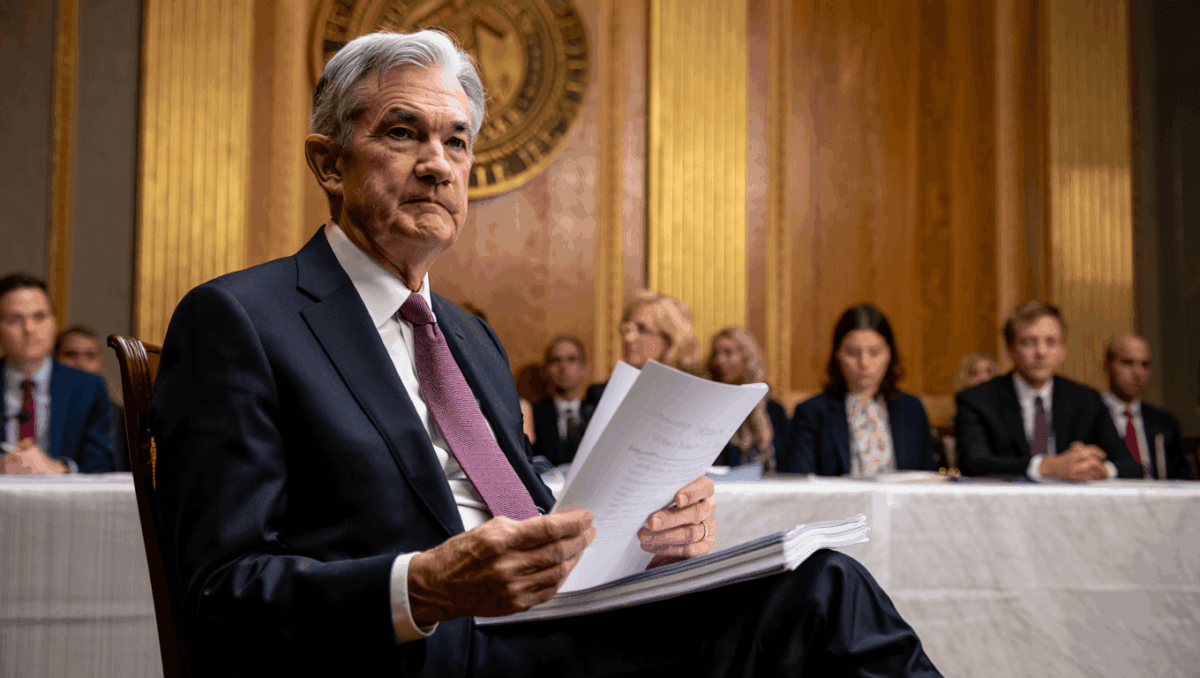
The FOMC minutes released today reveal the deepest policy divisions at the Federal Reserve in years as officials voted 9-3 on the December rate cut. The December 9-10 meeting exposed critical disagreements over whether the Fed should continue cutting rates or pause its easing cycle. What the detailed minutes show about where Powell’s team stands on 2026 has markets reassessing rate expectations.
🔥 Quick Facts
- The 9-3 vote represented the most dissents since 2019 on a FOMC decision
- Two officials (Austan Goolsbee and Jeffrey Schmid) wanted to hold rates unchanged rather than cut
- One official (Miran) wanted a larger 50-basis point cut instead of the quarter-point reduction
- The Fed cut the benchmark rate to 3.50%-3.75%, marking the third consecutive reduction in 2025
The Voting Split Beyond the Surface
Intuit emerges as best software stock for 2026 while stock crashes to bargain levels analysts didn’t expect
2026 tax brackets shock Americans with hidden paycheck truth nobody expected
The 9-3 vote officially shows support for the rate cut, but the minutes reveal far more significant disagreements lurking beneath. Federal Reserve Bank presidents Austan Goolsbee and Jeffrey Schmid dissented on the hawkish side, believing no cut was warranted. Meanwhile, Governor Michelle Miran dissented on the dovish side, preferring a stronger 50-basis point reduction. This three-way split signals that the Fed’s consensus on monetary policy has fragmented more than headline numbers suggest.
The divisions reflect a fundamental debate between inflation fighters and growth supporters. Officials favoring a pause worry that additional cuts could reignite price pressures and undermine Fed credibility after years of inflation battles. Those wanting faster cuts emphasize softening labor market conditions and growth concerns. Chair Jerome Powell characterized the divisions as manageable, but the minutes tell a different story about internal tension.
What the Dissenters Want for 2025 and Beyond
Marcus Lemonis takes CEO role at Bed Bath & Beyond with $25M cost-cutting plan and watch what industry experts are saying about his next move
SPX surges 34 points at open with shocking tech recovery, here’s what caused the unexpected Venezuela rally
The minutes show even more stark disagreement in the dot plot projections for future rate paths. Six officials signaled they want to see the federal funds rate stay at 3.75% to 4% by the end of this year, preferring no cuts. This represents a meaningful contingent that’s grown increasingly skeptical of Powell’s cutting cycle. The Fed’s median projection now shows just one 25-basis point cut expected in 2026, down sharply from earlier expectations of multiple cuts.
Officials are struggling to balance competing economic risks. Some fear inflation could resurface without patience, while others worry the labor market continues deteriorating. The unemployment rate stood at 4.2% in November, prompting cuts supporters to argue more easing is needed. Hawks counter that the economy remains resilient and inflation risks linger in energy and housing costs. This philosophical divide looks set to intensify heading into 2026 FOMC meetings.
Key Economic Indicators Behind the Disagreement
| Metric | Current Reading |
| Federal Funds Rate | 3.50%-3.75% |
| Unemployment Rate (Nov 2025) | 4.2% |
| Dissenting Votes (Most Since) | 2019 |
| Basis Points Cut in 2025 | 75 basis points |
| Expected Cuts in 2026 | One quarter-point cut |
The disconnect between those wanting more cuts and those wanting a pause centers on interpreting these economic signals. Inflation metrics like the PCE price index have declined toward the Fed’s 2% target, giving dovish officials ammunition to push for rate relief. Conversely, inflation in shelter costs and some services categories remains elevated, supporting the hawks’ caution. The minutes document lengthy discussions about whether recent inflation progress is durable or temporary.
Market Implications and What’s Ahead for Investors
The revealed divisions have already begun shifting market expectations about future Fed moves. Interest rate futures markets now price in significantly fewer cuts for 2026 than seemed likely just weeks ago. Financial institutions are revising rate forecasts and adjusting portfolio positioning accordingly. Stocks, bonds, and currency markets remain sensitive to any hints about when the Fed rate cuts might cease entirely or even reverse.
For borrowers, the implications are substantial. If the Fed follows the hawk-leaning view and holds rates steady through 2026, mortgage rates and auto loan costs will likely stay elevated. Savers benefit from higher yields on savings accounts and money market funds. Investors holding fixed-income securities face uncertainty about price movements depending on how the FOMC resolves these internal disagreements. The minutes suggest this debate will intensify at every 2026 meeting, creating volatility around each FOMC decision.
Will the Fed maintain its cautious approach as pressures mount from different economic camps?
The coming months will test whether the 9-member majority holding the line for quarter-point cuts can maintain consensus or whether dissenters slowly convince more officials to their side. December 30, 2025, marks an important moment where markets can now see the genuine philosophical fractures inside the central bank. Powell’s challenge lies in holding the coalition together while responding to genuine doubts about whether continued easing serves the economy or threatens its stability.
Sources
- Reuters – Final Fed minutes of 2025 and policy divisions analysis
- CNBC – Federal Reserve December 2025 rate decision and voting breakdown
- Bloomberg – Federal Reserve officials’ expectations for additional rate cuts

Patrick Graham is a business and finance journalist translating Wall Street’s complexities into stories that matter to everyday readers. With extensive experience in financial journalism and economic analysis, this expert journalist provides sharp insights on market trends, corporate developments, and the economic forces affecting daily life. His reporting helps readers make sense of the business world’s biggest moves.