
Lord of the Rings quiz: 30 brutal questions only true fans can ace
Magic the Gathering faces Universes Beyond challenge: keeping color identity intact
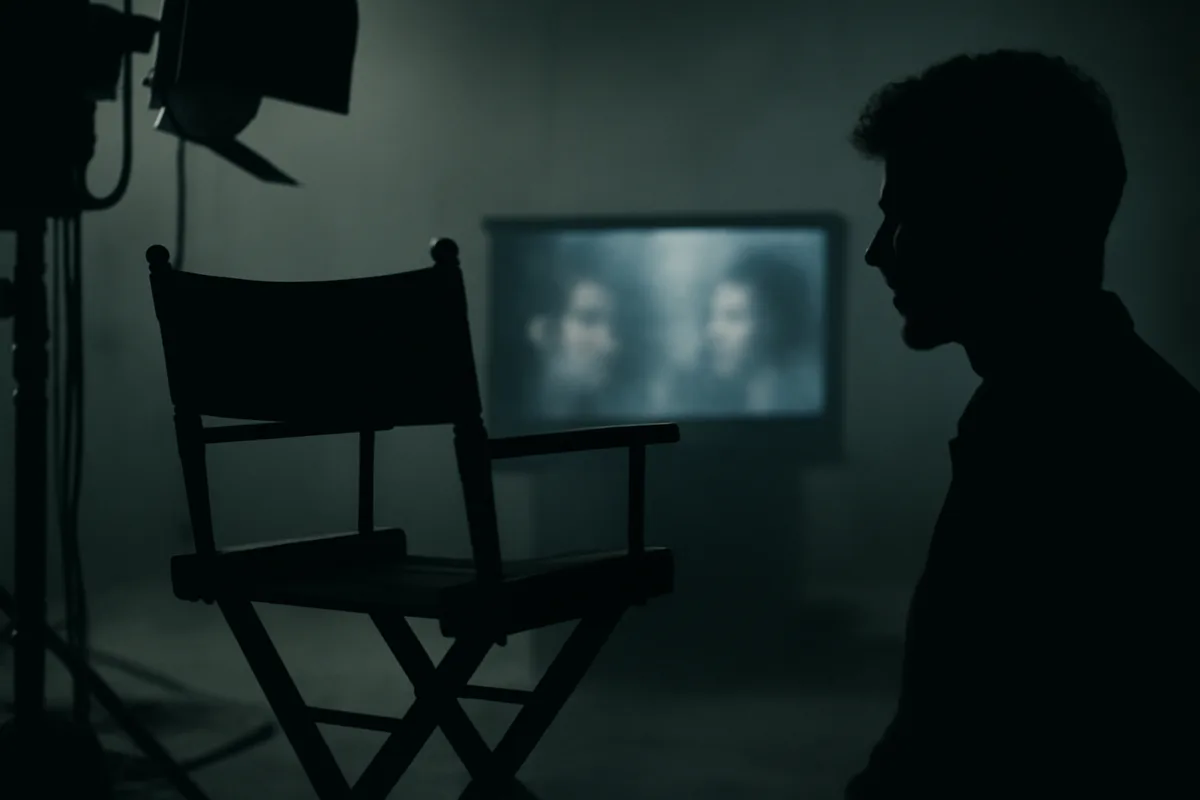
At a Venice symposium on creativity, leading actors and filmmakers warned that highly convincing AI-driven deepfakes are no longer a hypothetical threat — they are a present danger to public trust and the film industry. Their examples ranged from unsettling celebrity impostors to a failed experiment replacing an actor’s face, underscoring how quickly the technology is forcing new ethical and practical questions.
George Clooney told the audience he has seen AI-generated clips that place his likeness in fabricated conversations with public figures — images so realistic that viewers could easily be misled. He used an extreme hypothetical to make the stakes clear: a forged video of a world leader declaring a nuclear strike would be nearly impossible for most people to verify in the moment.
Outlander star reveals jarring season 2 opener that left cast exhausted
Keegan and Booth recommend what to watch after The Blame: it mirrors police misogyny
The comments came during “The Future of… Creativity”, a Finch & Partners and Creative Artists Agency event in Venice, where journalists, artists and technology leaders gathered to examine how AI is reshaping creative work. Broadcaster Emily Maitlis moderated a panel discussion that probed whether actors face genuine risk of replacement by synthetic performers.
Clooney signalled two distinct concerns: the immediate social risk posed by realistic falsified footage, and the longer-term question of whether AI can produce genuine movie stars. He argued that while some on-screen roles may be automated, the cultural process of creating a recognizable, bankable star is not something AI will easily replicate.
When the machine can’t match the human
Filmmaker Maggie Gyllenhaal shared a practical example from her short film project about Marilyn Monroe, in which producers asked her to experiment with AI to recreate different stages of Monroe’s life. The team trained models and attempted to map Monroe’s features onto actress Dakota Johnson, but Gyllenhaal said the results failed to capture the emotional texture the director wanted.
After extensive work, the synthetic faces were set aside because Johnson’s performance — human, nuanced and physical — delivered the emotional truth that the AI renderings could not. For Gyllenhaal, that outcome was instructive: at least for now, AI may craft convincing imagery, but it often falls short where subtlety and lived performance matter most.
That contrast — convincing appearance versus authentic feeling — frames much of the current debate inside and beyond entertainment circles.
Why this matters now
Deepfakes are no longer niche: faster models, inexpensive compute and widespread distribution channels mean misleading videos can spread quickly. The potential consequences for politics, journalism and public safety are immediate, while the cultural impact on acting and filmmaking is unfolding in real time.
- Misinformation risk: Realistic fake footage of public figures can spark panic, manipulate opinion or trigger diplomatic incidents.
- Verification pressure: Newsrooms, platforms and audiences must rely more on authentication tools and provenance metadata to separate fact from fabrication.
- Industry disruption: Studios, unions and talent agencies face new questions about image rights, consent and compensation for synthetic likenesses.
- Creative limitations: Directors still increasingly prefer real performances for emotional depth, slowing full adoption of AI actors in high-stakes storytelling.
- Regulatory attention: Lawmakers are under pressure to consider rules that address misuse without stifling legitimate innovation.
Speakers at the Venice gathering offered a mixture of alarm and cautious optimism: alarm about the speed with which sophisticated fakes can deceive, optimism because human performance still retains qualities current systems struggle to reproduce. That leaves a narrow but important window to develop stronger detection, clearer legal frameworks and industry standards.
As these conversations move from festivals into courtrooms and newsrooms, the tension between technological possibility and artistic integrity will shape both public debate and creative practice over the coming months — making this an issue that matters far beyond Hollywood.

Jessica Morrison is a seasoned entertainment writer with over a decade of experience covering television, film, and pop culture. After earning a degree in journalism from New York University, she worked as a freelance writer for various entertainment magazines before joining red94.net. Her expertise lies in analyzing television series, from groundbreaking dramas to light-hearted comedies, and she often provides in-depth reviews and industry insights. Outside of writing, Jessica is an avid film buff and enjoys discovering new indie movies at local festivals.