
New indie adventure game is a must-play: laughter and heartbreak collide
PS5 Pro restock alert: major retailer marks up sold-out console to $1,399
As the games industry doubles down on always-online services, subscriptions and downloadable licenses, the Evercade Nexus arrives as a deliberate counterpoint: a pocket console built around physical cartridges and offline play. For players who care about owning — and trading — their software, the Nexus offers a clear, contemporary alternative to today’s digital-first ecosystem.
- Device: Evercade Nexus (newest handheld from Blaze Entertainment)
- Why it matters: Puts physical game ownership and offline play back at the center of the experience
- Price: $199 / £169
- Included: Banjo-Kazooie double pack preinstalled with the console
- Library: >700 playable titles via more than 80 Evercade cartridges
SteelSeries headset $50 off: premium model boosts immersion for serious gamers
Hellraiser revival likely to miss Halloween 2026 due to extreme imagery: release uncertain
How the Nexus stands out today
The Nexus deliberately rejects the prevailing model of tied digital licenses and mandatory online sign‑ins. Instead of a storefront full of downloads, its home screen remains cartridge-first, with a single rotating digital title offered as a temporary “game of the month.” That choice reshapes the ownership question: buy a cartridge, own it outright — lend it, resell it, or keep it on a shelf.

Because cartridges work across Evercade hardware, the Nexus is compatible with the publisher’s back catalog and recent releases alike. For collectors and casual retro players this means the same physical media works on the new hardware, preserving value and convenience without forcing cloud-based DRM.
Controls and design — practical upgrades, familiar trade-offs
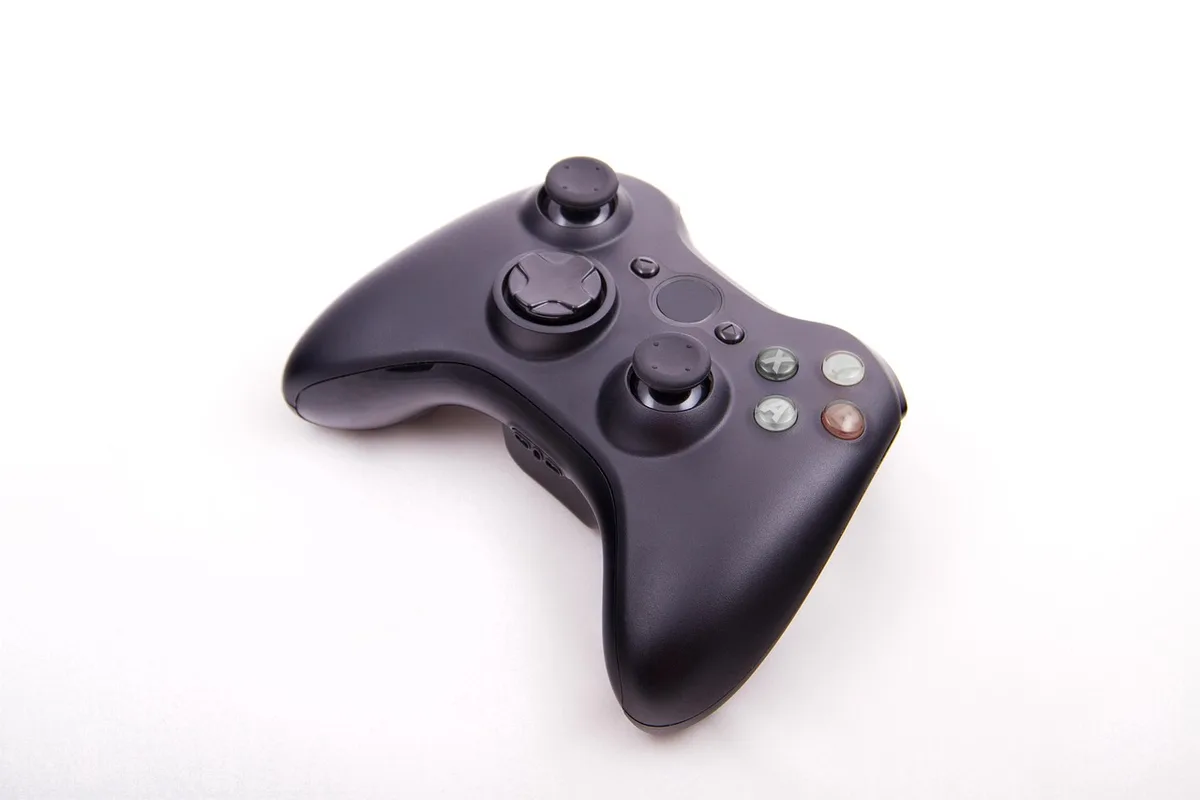
The Nexus is the first Evercade handheld to include dual analog sticks, which makes a meaningful difference for 3D platformers and arcade ports. Games designed for twin-stick control feel more natural here than on earlier Evercade units that relied on single nubs.
Its 5.89-inch IPS display is the largest Evercade has shipped so far, and visual presentation gets a bump: colors and detail look stronger than on previous models. That makes bundled titles like Banjo‑Kazooie feel more immediate and closer to their original intent.
But the shell is intentionally flat and finished in plain black plastic. Short play sessions are fine, yet prolonged use exposes the design’s limits: there are no built-in grip contours, and the device can feel tiring in hand. Third‑party cases will likely appear, but a more ergonomic baseline would have helped.
Performance, battery and everyday use
Evercade built the Nexus to favor classic game playback rather than heavyweight modern ports. That approach keeps costs and power draw down, with a quoted battery figure of 5+ hours. In hands-on testing I saw nearer four hours when playing a 3D platformer at default brightness — longer than many current full‑power handhelds, but not exceptional in absolute terms.
Where the trade-offs show up is responsiveness. The Nexus takes noticeably longer to boot and to launch cartridges compared with today’s high‑performance rivals. If you expect near-instant suspend and resume like newer mainstream systems, the Nexus can feel sluggish: it lacks a true suspend mode, so pausing a session for an extended period either consumes battery or forces a shutdown and reload.
| Specification | Detail |
|---|---|
| Price | $199 / £169 |
| Display | 5.89-inch IPS, HD, ~500 nits |
| Processor | Quad-core — 1.5 GHz |
| Memory | 512 MB DDR RAM |
| Storage / Media | Physical Evercade cartridges; microSD for system files |
| Ports | USB-C, 3.5 mm headphone jack, cartridge slot |
| Wireless | Wi‑Fi 6 (2.4GHz / 5GHz) |
| Weight | Approx. 0.9 lb |
What works — and what doesn’t
- Strengths: Tangible game ownership via cartridges, wide retro library compatibility, dual analog sticks, solid screen size, competitive battery for its class, bundled Banjo‑Kazooie one-ups the value at launch.
- Limitations: No suspend/resume mode, flat chassis with limited ergonomics, slower boot and load times compared with high‑end handhelds, and modest internal specs that limit more ambitious ports.
For readers deciding whether to buy now, the main question is what you value most: instant modern conveniences, or a friction‑filled but authentic retro experience. If you want a compact device that treats games as physical items you can own and trade, the Nexus hits that mark. If you expect a Switch‑style resume or near‑instant loading for graphically intense ports, this isn’t the device to satisfy those demands.
Final appraisal
The Evercade Nexus is intentionally narrow in focus. It doesn’t try to be a portable powerhouse; its priorities are preservation, physical ownership and a straightforward play experience. At the $199 price point, it offers a lot of appeal for collectors, nostalgia players and anyone uneasy about subscription and DRM trends.
That said, the absence of a suspend feature and the ergonomic compromises will matter to many. Think of the Nexus as a curated retro player rather than a universal handheld: for the right audience, it’s an appealing, well-priced step away from today’s always‑online norm. For everyone else, it’s a reminder that convenience often comes at the cost of control.

Annabelle Ink is a gaming journalist and lifelong gamer who lives and breathes video game culture. From console releases to esports tournaments, this dedicated journalist brings insider knowledge and genuine enthusiasm to every review and feature. Her expertise spans multiple gaming platforms, helping readers discover their next favorite game while staying connected to the pulse of the gaming industry.