

F1 2026 live: streaming platforms, TV rights and where to tune in tonight
Man Utd at Como live: where to stream, TV channels and kick-off time for Champions League
The 2026 Formula 1 season has arrived with a clear dividing line: new technical rules have shifted the emphasis from outright speed to managing energy over a race distance. That change is already reshaping team tactics and driver sentiment, and early pace-setting looks set to decide which squads will contend for championships this year.
What has changed — and why it matters now
Rivian Ecto-R1 spotted in action: Ghostbusters-themed EV turns heads
NFL week 5 power matchups: key games that could reshape the playoff picture
Regulatory tweaks introduced for 2026 put greater weight on in-race energy strategy, altering how teams design cars and how drivers must approach a weekend. The result is fewer pure sprint battles and more contests where efficiency, software and race management can make or break a result.
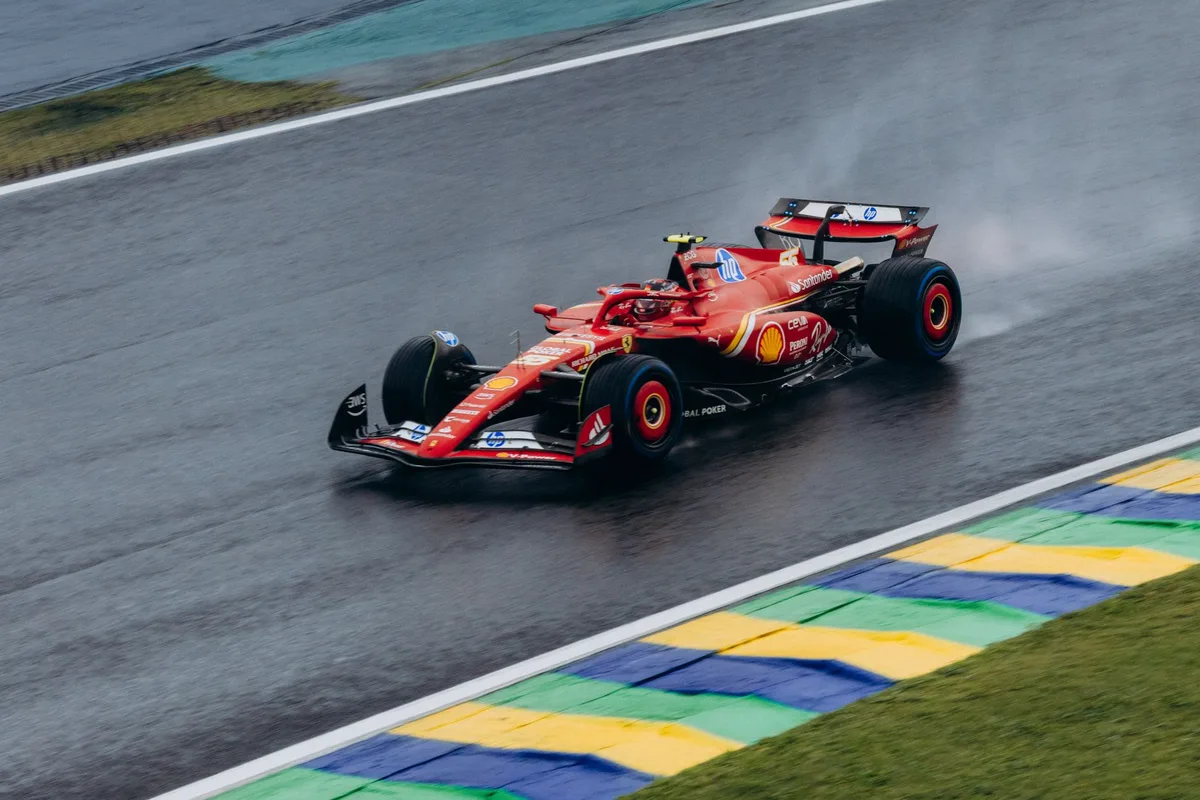
The immediate consequence for fans and teams is practical: races may feel different. Lap times are being influenced not only by aerodynamics and engine power but by how well a team can conserve and deploy energy across stints. That raises the stakes on strategy calls, tyre choices and real-time telemetry.
Drivers and teams reacting to the rule shift
Reigning champion George Russell has publicly welcomed the changes, describing them as an interesting technical challenge. In contrast, seasoned front-runners such as Max Verstappen, Lewis Hamilton and Fernando Alonso have voiced frustration, arguing that the new focus can blunt the raw wheel-to-wheel racing they prefer.
On the constructors’ front, early form is mixed. Mercedes appear to have produced the most consistent package overall, while Ferrari have shown exceptional initial pace off the line. McLaren and Red Bull both look competitive, but the field is porous: some teams are struggling significantly, opening up pronounced performance gaps.
Perhaps the most striking underperformance involves Aston Martin following the high-profile arrival of a star designer. The team’s cars have stumbled in the opening sessions, prompting concerns that they could be several seconds per lap adrift of the midfield — a deficit that would require substantial development to erase.
Key race dates for 2026
| Date (2026) | Grand Prix |
|---|---|
| 8 March | Australian Grand Prix |
| 15 March | Chinese Grand Prix |
| 29 March | Japanese Grand Prix |
| 12 April | Bahrain Grand Prix |
| 19 April | Saudi Arabian Grand Prix |
| 3 May | Miami Grand Prix |
| 24 May | Canadian Grand Prix |
| 7 June | Monaco Grand Prix |
| 14 June | Barcelona-Catalunya Grand Prix |
| 28 June | Austrian Grand Prix |
| 5 July | British Grand Prix |
| 19 July | Belgian Grand Prix |
| 26 July | Hungarian Grand Prix |
| 23 August | Dutch Grand Prix |
| 6 September | Italian Grand Prix |
| 13 September | Spanish Grand Prix |
| 26 September | Azerbaijan Grand Prix |
| 11 October | Singapore Grand Prix |
| 25 October | United States Grand Prix |
| 1 November | Mexican Grand Prix |
| 8 November | Brazilian Grand Prix |
| 21 November | Las Vegas Grand Prix |
| 29 November | Qatar Grand Prix |
| 6 December | Abu Dhabi Grand Prix (Finale) |

Line-up for 2026
- Alpine — Pierre Gasly (10), Franco Colapinto (43)
- Aston Martin — Fernando Alonso (14), Lance Stroll (18)
- Audi — Gabriel Bortoleto (5), Nico Hülkenberg (27)
- Cadillac — Sergio Pérez (11), Valtteri Bottas (77)
- Ferrari — Charles Leclerc (16), Lewis Hamilton (44)
- Haas — Esteban Ocon (31), Oliver Bearman (87)
- McLaren — Lando Norris (1), Oscar Piastri (81)
- Mercedes — Kimi Antonelli (12), George Russell (63)
- Racing Bulls — Liam Lawson (30), Arvid Lindblad (41)
- Red Bull — Max Verstappen (3), Isack Hadjar (6)
- Williams — Alexander Albon (23), Carlos Sainz (55)
Several immediate storylines will be decisive in the opening rounds. Can Mercedes convert consistency into wins? Will Ferrari’s rapid initial launch translate into race results? And crucially, can teams that lag now make up ground fast enough to remain competitive through the mid-season development cycle?
For spectators, the practical takeaway is straightforward: expect more strategic nuance than in previous years. Pit windows, energy deployment and in-race telemetry will be as important as overtaking skill. That mix could produce more tactical intrigue — even if it changes the look and feel of F1 for longtime fans.
The first races will offer the clearest signals of how the season will unfold. Teams already have limited windows to refine software and hardware before the calendar moves through high-stakes circuits in Europe and the U.S.; the pecking order could shift rapidly if any squad finds a reliable performance advantage.

Jessica Morrison is a seasoned entertainment writer with over a decade of experience covering television, film, and pop culture. After earning a degree in journalism from New York University, she worked as a freelance writer for various entertainment magazines before joining red94.net. Her expertise lies in analyzing television series, from groundbreaking dramas to light-hearted comedies, and she often provides in-depth reviews and industry insights. Outside of writing, Jessica is an avid film buff and enjoys discovering new indie movies at local festivals.