
Razer gaming chair $200 off today: limited stock, sale ends soon
Family board games to keep on hand: 12 picks for rainy-day fun
With Grand Theft Auto 6 now on the horizon, players and critics are looking to Rockstar’s previous high-water mark, Red Dead Redemption 2, for clues about what will make Vice City feel truly alive. Beyond promises of a bigger map or louder action, a handful of quieter design choices could determine whether GTA 6 becomes a living city or just a series of set pieces — and that matters for how long people will play and remember it.
1. Meaningful downtime beyond the heist loop
Ghost of Yotei DLC delights in a single sitting: short add-on completes PS5 exclusive
Asus ROG Xbox Ally X20: top 3 strengths that impress, 2 flaws that matter
Rockstar has long used low‑stakes activities to give its worlds texture: side pastimes can turn a landscape into a place you want to inhabit. RDR2 pushed that further, turning an ordinary evening into a memorable experience — a long poker session, a street performance, a rambling conversation in town.
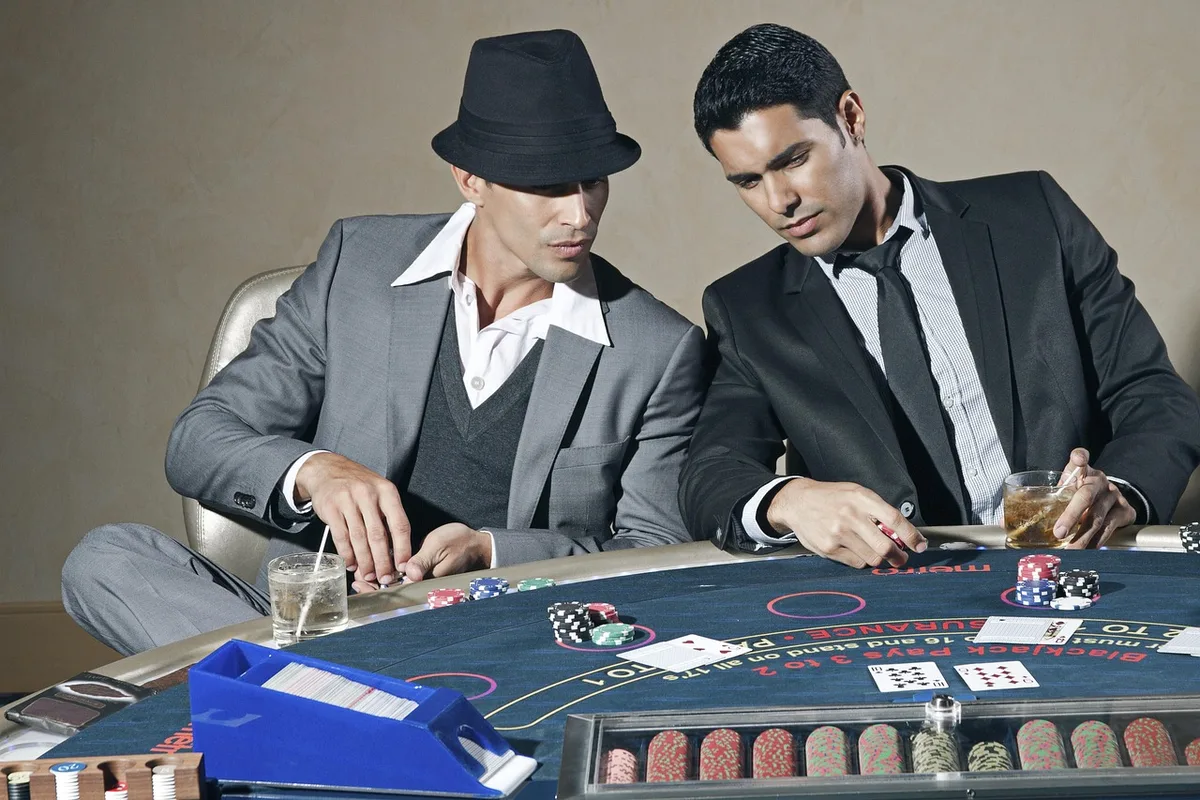
For Vice City, offering ways for characters like Jason and Lucia to spend time together that aren’t simply lead‑ins to the next robbery would shift the tone. Small, optional interactions that build character and mood can make the city feel less like a backdrop and more like home.
2. Realism that rewards attention without punishing players
RDR2 treated its protagonist as a bodily presence — weather, clothing and upkeep influenced gameplay. That level of care made actions feel consequential, but it also sometimes bogged players down with micromanagement.
GTA 6 could adopt a lighter version: systems where basic upkeep — grabbing street food, choosing appropriate attire, doing occasional workouts — yields subtle benefits such as improved stamina, stealth or NPC reactions. The goal is to make self‑care feel natural and rewarding, not tedious.
3. Chance encounters with lasting consequences
The most memorable moments in RDR2 were rarely scripted missions; they were chance meetings on the road that had ripple effects later. A random rescue could unexpectedly pay dividends days or weeks afterward.
In a dense urban setting, a reactive population would add stakes to everyday choices. Help a stranded commuter and you might gain a useful contact; start a fight and neighbors remember. A discreet reputation layer would let the city develop its own history with your actions.
4. A signature system that reshapes movement
Side systems in RDR2 — hunting, horse bonding — weren’t throwaway minigames; they altered how you travelled and engaged with the map. GTA 6 needs a comparable mechanic that anchors the player to the city.
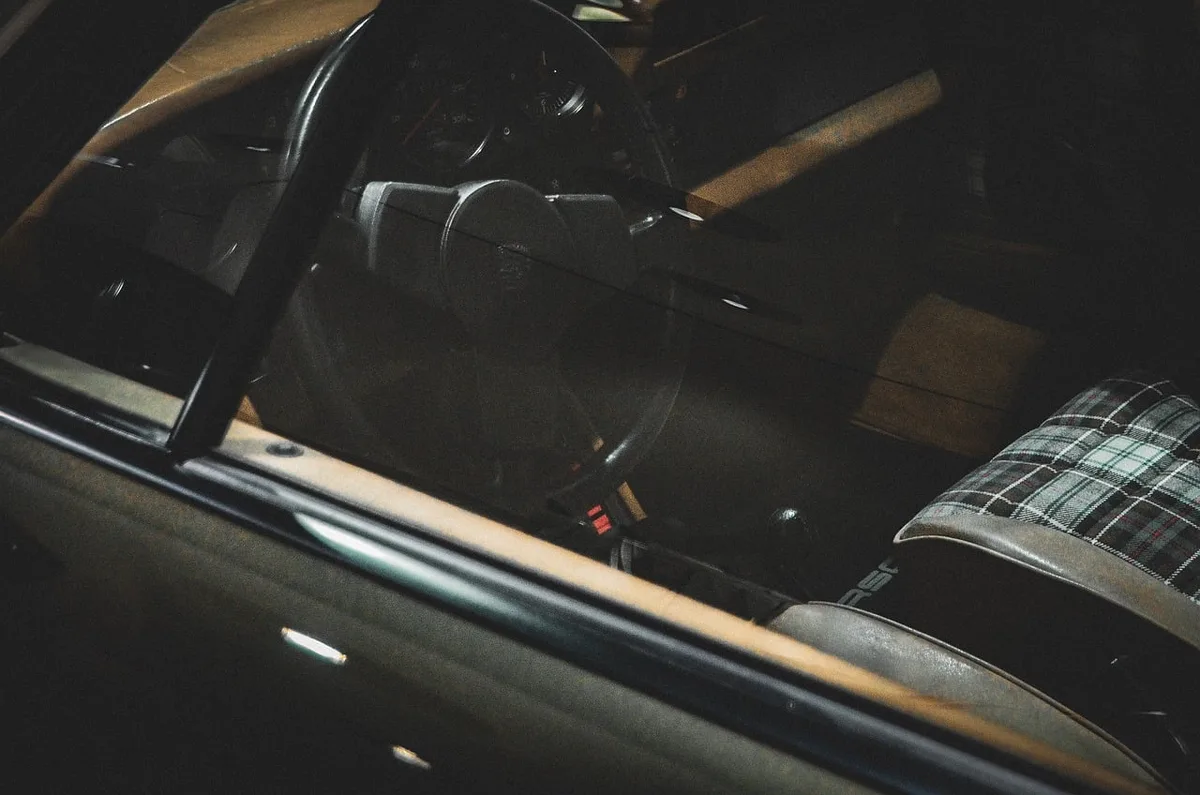
Imagine a vehicle ownership and maintenance model where keeping a car becomes meaningful: familiarity grants handling improvements, personalization creates attachment, and losing your ride carries emotional weight. Coupled with environmental features and social feeds, that would incentivize slower, more deliberate play.
5. A living simulation you can opt into and lose yourself in
One of RDR2’s strengths was the freedom to ignore the main plot entirely. A night spent fishing or wandering could be as satisfying as completing a story mission.
If Vice City offers a similarly rich set of non‑linear, immersive activities — street culture, nightlife routines, micro‑economies — players will feel free to craft their own narratives. That kind of design drives replayability and deepens emotional engagement.
- Downtime: Optional, character‑building moments that make the city feel inhabited.
- Realism: Light, meaningful systems that reward attention without becoming chores.
- Encounters: Unscripted interactions with consequences that accumulate over time.
- Signature system: A core mechanic (e.g., vehicle ownership) that changes navigation and attachment.
- Living simulation: Enough standalone activities that skipping the main story still feels satisfying.
Why this matters now: as GTA 6’s launch approaches, expectations are high not only for technical feats but for a world players want to return to for months or years. If Rockstar pairs scale and spectacle with quieter systems that foster attachment and emergent stories, Vice City could feel like more than a bigger map — it could feel lived in.

Annabelle Ink is a gaming journalist and lifelong gamer who lives and breathes video game culture. From console releases to esports tournaments, this dedicated journalist brings insider knowledge and genuine enthusiasm to every review and feature. Her expertise spans multiple gaming platforms, helping readers discover their next favorite game while staying connected to the pulse of the gaming industry.