
Lord of the Rings quiz: 30 brutal questions only true fans can ace
Magic the Gathering faces Universes Beyond challenge: keeping color identity intact
ITV is offering a drama that demands attention rather than background noise. From September 20 the six-part series The Blame lands on ITVX, following the investigation into a teenage skater’s death that quickly forces police officers to confront problems inside their own ranks.
The series is led by Michelle Keegan and Douglas Booth and deliberately refuses to soften its subject. What begins as a routine murder inquiry becomes entangled with examples of everyday misogyny among the officers assigned to the case — material the producers say is based in part on real messages uncovered during whistleblowing investigations. Those elements make some scenes hard to watch.
Outlander star reveals jarring season 2 opener that left cast exhausted
Keegan and Booth recommend what to watch after The Blame: it mirrors police misogyny
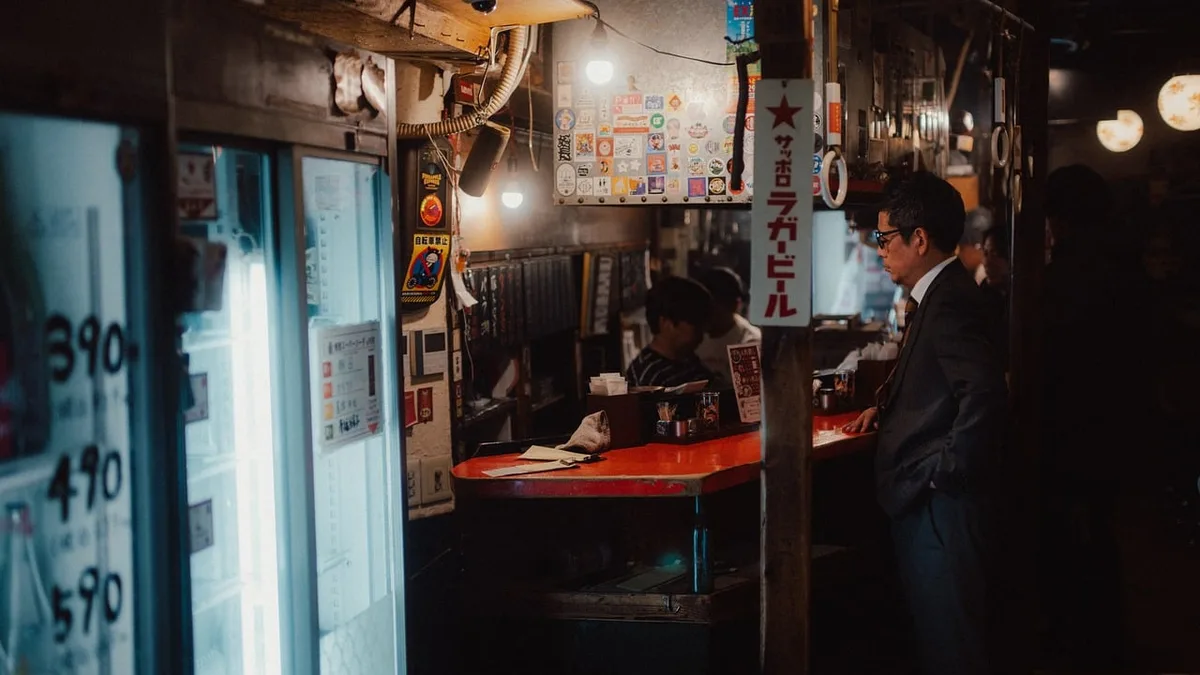
Early scenes set the tone. Before the body is discovered, viewers meet the team in a local pub where locker-room talk and casual attempts at flirting play out against a normal, convivial backdrop — a deliberate contrast the creators use to show how ingrained attitudes can sit alongside front‑line policing.
DI Emma Clare (Keegan) emerges as the investigator willing to call the culture within the fictional Wakestead force by its name, while Booth’s character, DI Tom Radley, represents the complications of loyalty and denial inside the team. According to cast interviews, the opening moments were crafted to drop viewers straight into those tensions; an even more explicit version of that opening was filmed at one point and later re-shot to better serve the story.
- Premiere: All episodes released on ITVX from September 20.
- Format: Six-part crime drama.
- Cast: Michelle Keegan, Douglas Booth (lead detectives).
- Central themes: murder investigation, institutional misogyny, internal police scrutiny.
- Trigger warning: contains harsh language and depictions tied to real-life whistleblown messages.
The narrative choice to include authentic-sounding messages and to foreground everyday sexism is intentional. The makers argue that bluntness is necessary to move past denial and to explore how small slights and off‑hand comments can contribute to a wider institutional problem. For some viewers that bluntness will feel heavy-handed; for others it will be a necessary provocation.
Keegan and Booth have said the blunt opening helps the story unfold more deeply: what looks like harmless banter early on is examined in greater detail as the investigation progresses. The effect is to keep viewers oscillating between empathy and disbelief — you want to believe better behavior is more common than the show suggests, yet the plot repeatedly undermines that hope.
Beyond storytelling, the series opens questions about public reaction and real-world policing. Cast members told reporters that they found police representatives receptive to the conversation: officers acknowledge issues exist even as they continue to do difficult, important work. The show positions that tension at its center — celebrating good police work while pointing out systemic problems that demand scrutiny.
What the series may prompt is a wider public debate: whether dramatizing leaked messages and spotlighting ingrained misogyny helps reform or risks alienating the very people who could change the culture. Either way, the makers appear uninterested in easy answers; the drama asks viewers to weigh evidence, context and complicity for themselves.
What to expect when you watch:
- Intense, sometimes uncomfortable scenes that do not shy away from crude language or attitudes.
- A plot that pivots from a single homicide to an internal probe of police conduct.
- Performances that aim to balance procedural investigation with character-driven moral reckoning.
- Debate fodder — the series is likely to generate discussion about policing culture and how it is portrayed on screen.
In short, The Blame is positioned less as weekend escapism and more as a provocative, topical drama intended to spark conversation. Viewers who watch should be prepared for a series that deliberately unsettles and asks difficult questions about who is responsible — and why silence or complacency matters.
Jessica Morrison is a seasoned entertainment writer with over a decade of experience covering television, film, and pop culture. After earning a degree in journalism from New York University, she worked as a freelance writer for various entertainment magazines before joining red94.net. Her expertise lies in analyzing television series, from groundbreaking dramas to light-hearted comedies, and she often provides in-depth reviews and industry insights. Outside of writing, Jessica is an avid film buff and enjoys discovering new indie movies at local festivals.