
Wordle #1674 stumped players Sunday with an obscure Middle Eastern spice. The New York Times puzzle for January 18, 2026 required knowledge beyond typical kitchen cabinets. Here’s everything you need about this tricky challenge.
🔥 Quick Facts
- Answer: SUMAC, a tangy spice from dried berries of a shrub
- Difficulty: High – most casual players found this brutally hard
- Letters: Two vowels (U and A), begins with S, ends with C
- Etymology: Arabic summāq, meaning “red,” reflecting the plant’s color
Today’s Answer Revealed: SUMAC
Prime Day gaming deals drop early: save as much as 50% on Switch, PS5 and gaming PCs
Gears of War: E-Day delivers explosive over-the-top action for Xbox owners
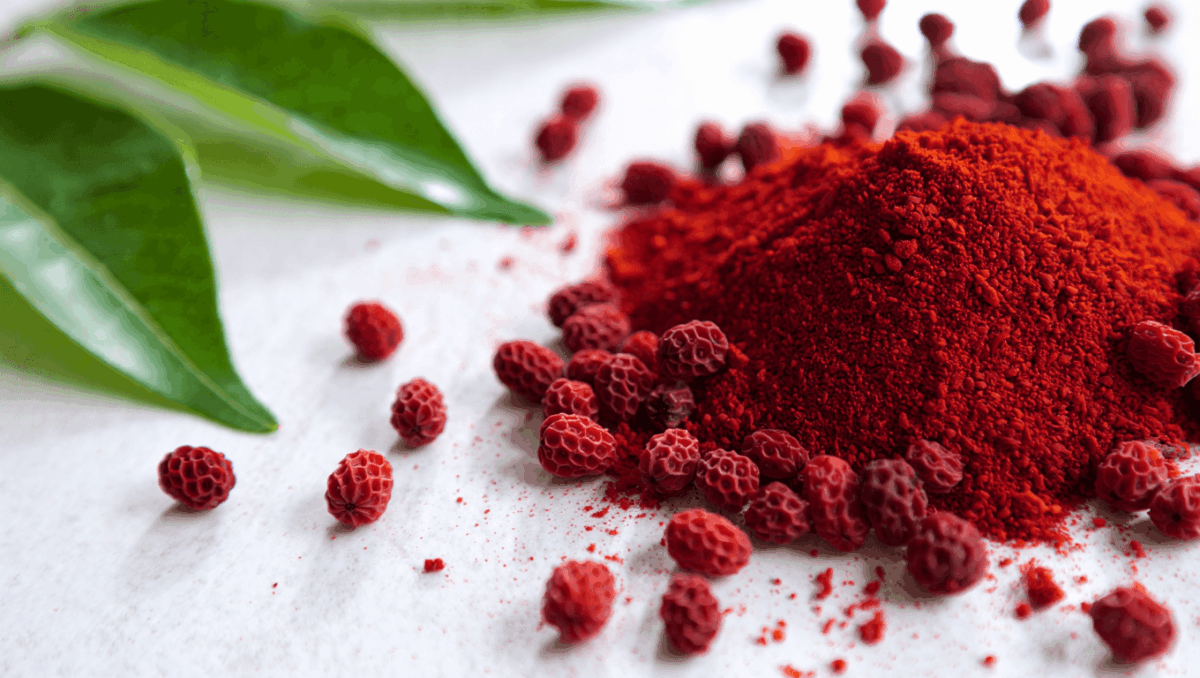
The answer to Wordle #1674 is SUMAC. This five-letter word refers to a flowering plant whose dried berries produce a distinctive tangy, lemony spice common in Middle Eastern cuisine. The spice delivers a bright, acidic punch ideal for salads, grilled meats, and Mediterranean dishes. Most casual Wordle players had no chance encountering this niche culinary term.
The New York Times rarely selects words from such specialized vocabularies. Sunday puzzles typically maintain moderate difficulty, yet this one broke that pattern entirely. Erik Kain from Forbes needed four guesses despite expert strategy, commenting that only culinary experts would find this accessible.
Sumac: The Plant Behind the Spice
Gears of War: E-Day on PC gets Nvidia RTX Mega Geometry and stunning visual upgrade
Wordle Oct. 3 answer could wipe out streaks: how one tough word is tripping players
SUMAC belongs to the cashew family and grows as a shrub or small tree in temperate and subtropical climates worldwide. The plant produces stunning bright red berries that hang in dense clusters. These berries, once dried and ground, transform into a reddish-purple powder prized by chefs worldwide. The flavor profile combines tartness reminiscent of lemon with subtle fruity undertones.
Sumac thrives across the Middle East, Mediterranean, and North Africa. It requires minimal water, making it ideal for arid regions. The spice has been used for thousands of years in traditional cuisines. Beyond culinary use, sumac once tanned hides in ancient processes. Today’s culinary renaissance celebrates this ancient spice as a secret weapon for bold flavoring.
Wordle Strategy Breakdown for Today’s Puzzle
| Strategy Element | Recommendation |
| Starting Word | SLATE, CRANE, or RAISE (proven Wordle Bot choices) |
| Second Guess | Pick words with different consonants and vowels |
| First Letter Hint | Always begins with S, not a common starter letter |
| Vowel Pattern | Contains exactly two vowels: U and A |
SLATE and CRANE remain undefeated starting words for Wordle success. The Wordle Bot calculated SLATE as optimal for maximizing letter discovery. Starting with common consonants and multiple vowels eliminates impossible combinations faster. However, no starting word guarantees perfect success with obscure words like SUMAC.
The critical strategy shift happens on guess three. Players spotting S, U, and A needed to brainstorm S_U_A words. Most first thought SQUAB, SQUAD, or SQUAT. SUMAC never enters typical vocabulary for non-chefs. This puzzle rewarded either culinary knowledge or pure luck among final guesses.
Why Wordle #1674 Felt Impossible
SUMAC ranks among the hardest Wordle answers in recent months. The New York Times puzzle generator sometimes prioritizes obscure terms to challenge advanced players. However, pulling from specialized culinary lexicon alienates casual participants who play daily. Most solvers encountered multiple wrong guesses before finding this answer.
“SUMAC? I guess for culinary wizards and experts on Middle Eastern cuisine, this might not be so bad. For everyone else… ouch.”
— Erik Kain, Forbes Senior Contributor
How to Master Future Wordle Challenges
Building a strong vocabulary helps tremendously when encountering niche Wordle answers. Challenge yourself with food words, plant names, and international cuisine terms. Following food blogs, cooking channels, and culinary websites naturally exposes you to uncommon ingredients. Additionally, playing Competitive Wordle against the Wordle Bot sharpens strategic thinking.
The New York Times occasionally selects words from culinary, botanical, or scientific domains. Successful Wordle players develop pattern recognition skills regardless of word familiarity. When stuck with partial clues, systematically test letter combinations rather than guessing randomly. Sunday puzzles sometimes reward patience and methodical elimination over immediate knowledge.
Did You Solve Today’s Wordle?
Whether SUMAC stumped you or you conquered it instantly, share your results in the comments. What starting word works best for your game? Do you prefer strategic letter-heavy words or vowel-packed openers? The daily Wordle community loves comparing strategies and celebrating unusual victory streaks. Return tomorrow for another New York Times Wordle challenge, hopefully featuring more accessible vocabulary than today’s exotic spice lesson.
Sources
- Forbes – Expert Wordle analysis and strategy from Erik Kain
- The New York Times – Wordle Review and official puzzle documentation
- Merriam-Webster Dictionary – SUMAC definition and etymology verification

Annabelle Ink is a gaming journalist and lifelong gamer who lives and breathes video game culture. From console releases to esports tournaments, this dedicated journalist brings insider knowledge and genuine enthusiasm to every review and feature. Her expertise spans multiple gaming platforms, helping readers discover their next favorite game while staying connected to the pulse of the gaming industry.