
Gears of War: E-Day delivers explosive over-the-top action for Xbox owners
Gears of War: E-Day on PC gets Nvidia RTX Mega Geometry and stunning visual upgrade
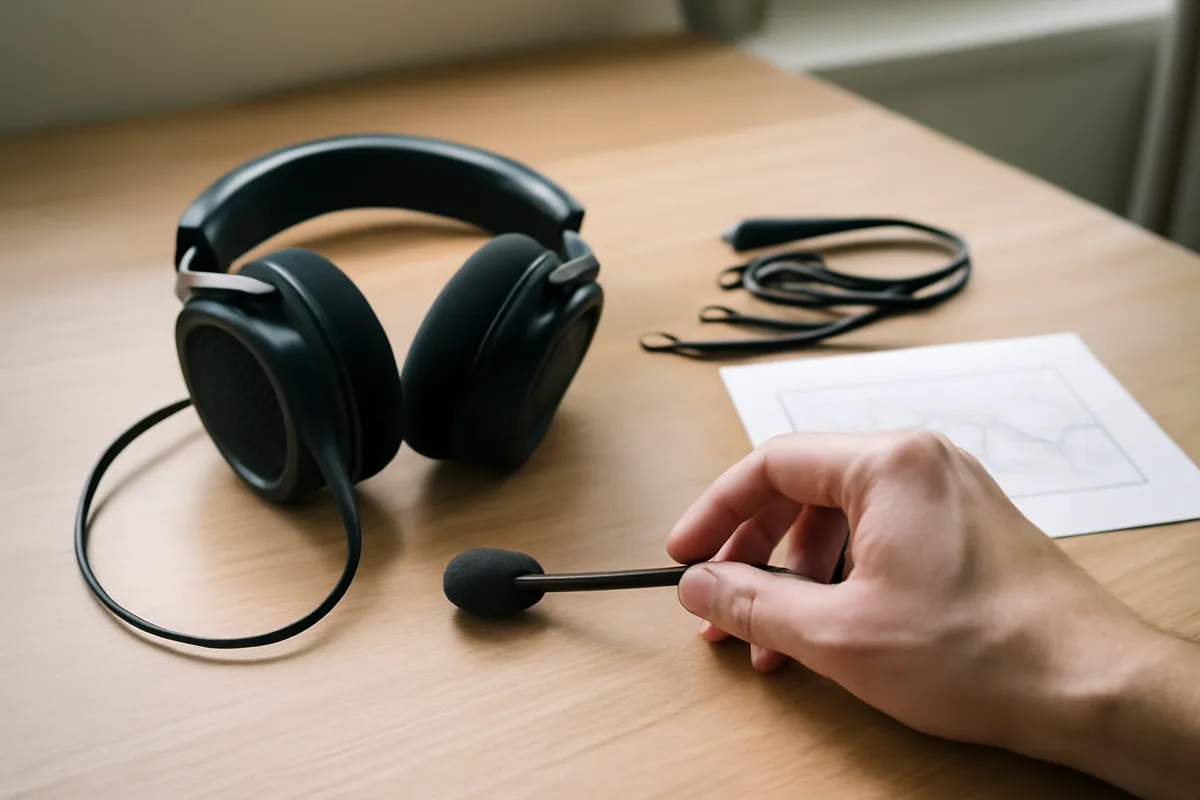
Asus’s ROG Kithara, the result of a collaboration with planar-headphone maker HIFIMAN, promises audiophile-grade, open-back sound tailored for gamers. The listening experience is impressive, but a high $299 price and recurring build and microphone issues mean it won’t be the obvious buy for most players.
- What it is: An open-back gaming headset using large planar magnetic drivers.
- Who it suits: Gamers who put positional fidelity and music quality ahead of isolation and streaming-ready mics.
- Key trade-offs: Exceptional soundstage and separation versus a fragile-feeling headband and an average boom microphone.
Wordle Oct. 3 answer could wipe out streaks: how one tough word is tripping players
Nintendo 135th anniversary deals: big discounts on Switch 2 games and Lego sets
How it sounds
The Kithara’s defining asset is its audio. Equipped with oversized, 100mm planar drivers, the headset delivers a wide, airy soundstage that makes environmental detail easy to locate in competitive shooters. Footsteps, distant reloads and subtle ambience are clearer than with most dynamic-driver gaming headsets.

The tuning leans toward reference neutrality with a slight lift at the top end. That makes instruments and vocals very distinct, and it’s why the Kithara doubles effectively as a music headphone — provided you aren’t chasing heavy, chest‑shaking bass. For explosions and theatrical low-end impact, closed-back options with stronger bass response will feel more powerful.
Key specifications
| Price | $299 / £285 |
| Drivers | 100mm planar magnetic |
| Frequency response | 8–55,000 Hz |
| Connectivity | 3.5mm, 4.4mm balanced, 6.3mm; USB-C via adapter |
| Microphone | Boom mic (detachable / or clip-on style depending on SKU) |
| Weight | 420 g / 14 oz |
| Platforms | PC, PlayStation, Xbox |
| Battery | None (wired, passive) |
Contents and simplicity
Asus keeps the package focused: several high-quality cables and plug adapters cover balanced and unbalanced setups, and the box even includes a measured frequency-response printout from the factory check. There’s no software, no active noise cancelling and no battery to manage — just a plug-and-play experience aimed at purists.
This uncluttered approach will appeal if you prefer straightforward hardware. But it also means you miss out on features found on some rivals, like built-in DSP profiles, wireless convenience or companion apps for mic tuning.
Comfort, design and everyday use
Comfort is a genuine strength. The headset is surprisingly light for its size and wears well over multi‑hour sessions; Asus supplies two pad materials so you can choose breathability versus a snug seal. The aesthetic is understated: black and gunmetal tones that won’t draw attention in a shared workspace.
Where it falls short
Two recurring problems temper the Kithara’s appeal. First, the construction reflects familiar HIFIMAN traits: a thin leatherette head strap and slender metal yokes that feel inexpensive. The sliding mechanisms can drift under tension, so some users find themselves re‑adjusting during use. A mechanical fix is possible, but needing to tinker with tools right out of the box is a poor look at this price point.

Second, the boom microphone performs decently for in-game chat but lacks the clarity and presence expected for streaming or podcasting. Colleagues in my tests described the voice capture as slightly tinny and constrained — serviceable for team comms, underwhelming if you regularly broadcast.
Open-back realities
The open-back design is central to the Kithara’s character: it creates the spaciousness and imaging enthusiasts want, but it also leaks sound outward and lets environmental noise in. In quiet rooms the payoff is excellent; in louder homes or near open windows, faint but important game cues can be masked by outside noise. That trade-off should guide purchase decisions more than any spec sheet.
Comparisons and price context
At $299 the Kithara sits alongside models that deliver similar staging with stronger build or better mics. For example, some competitors provide more robust headbands or broadcast-grade microphones for the same or slightly higher prices. If you prioritise mic quality or durability, you’re likely to find better value elsewhere; if soundstage and planar clarity top your list, the Kithara is hard to beat in its class.
Who should buy this
- Audionauts who want a gaming headset that behaves like open-back audiophile cans.
- Players who game in quiet environments and value positional accuracy over heavy bass.
- Users who prefer a distraction-free, plug-and-play headset without software or batteries.
Who should look elsewhere
- Streamers or content creators who need a broadcast-quality mic.
- Gamers who need sound isolation, strong bass or active noise cancelling.
- Buyers unwilling to accept the chance of minor hardware fiddling after unboxing.
Bottom line
The ROG Kithara delivers a compelling sonic experience: expansive imaging, crisp treble detail and excellent instrument separation make it enjoyable for both games and music. Yet its surface-level build, a mediocre boom mic and a price that puts it in direct competition with more complete packages mean it’s a niche recommendation. For audiophile-inclined gamers in quiet settings, it’s a worthy pick; for everyone else, the value proposition is less persuasive.
My assessment: very good sonics, mixed execution elsewhere — a solid 3.5 out of 5 overall.

Annabelle Ink is a gaming journalist and lifelong gamer who lives and breathes video game culture. From console releases to esports tournaments, this dedicated journalist brings insider knowledge and genuine enthusiasm to every review and feature. Her expertise spans multiple gaming platforms, helping readers discover their next favorite game while staying connected to the pulse of the gaming industry.