
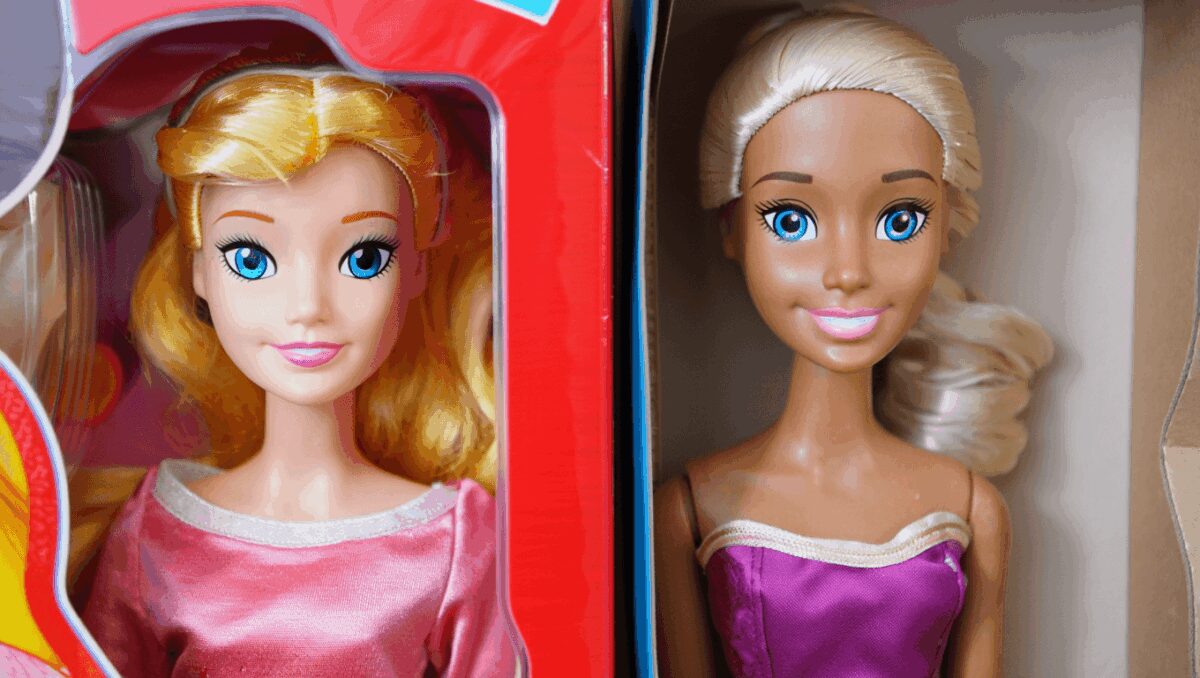
As Earth Day 2026 prompts new moves across the retail world, Disney is quietly redesigning one of its most iconic products: the Classic Dolls. The company has replaced plastic-heavy presentation boxes with a largely paper-based format, a change that aims to cut material use and make toys easier to open, display and recycle — a small change that could have big environmental effects given Disney’s global reach.
Lord of the Rings quiz: 30 brutal questions only true fans can ace
Magic the Gathering faces Universes Beyond challenge: keeping color identity intact
Stefanie Majoras, Disney’s vice president for global merchandise sourcing and supply chain optimization, says the project began as a design-and-sustainability exercise and grew into a broader rethink of how toys reach consumers. The new packaging has been rolled out for 15 Classic Dolls so far, with more characters due later in 2026 and a staged global rollout planned over the next two years.
What changed and why it matters
Outlander star reveals jarring season 2 opener that left cast exhausted
Keegan and Booth recommend what to watch after The Blame: it mirrors police misogyny
The switch removes the familiar clear plastic “window” from many doll boxes and replaces it with an open-front, fully paper-based construction. That may sound cosmetic, but it affects manufacturing, transport, in-store display and the end-of-life pathway for packaging.
Disney estimates the latest design uses around 40% less material than its first plastic-free attempt. The outer shell now employs corrugated paperboard for strength, while an internal insert secures the doll and accessories without multiple plastic ties and fasteners.
This matters because Disney is not a niche toy maker. As one of the world’s largest licensors, the company’s consumer products reach hundreds of millions of customers across more than 180 countries. A modest reduction in packaging weight and mixed-material components can translate into substantial resource and waste savings at scale.
The engineering trade-offs
Removing the transparent plastic meant solving two technical problems: maintaining the doll’s shelf presence and protecting small parts during shipping. Traditional clear windows not only let shoppers see a product but also add structure that keeps accessories from shifting.
Design teams spent years experimenting with die-cuts, inserts and retention systems made entirely from paper. One discreet design choice — tucking the doll’s feet beneath the bottom platform — helps keep shoes and small accessories protected while leaving the figure fully visible to shoppers.
Using corrugated paperboard increased box rigidity and reduced the risk of dents and creases in transit, which matters for products that travel long distances to reach stores worldwide.
Majoras frames the work less as sacrifice and more as refinement: the goal was to preserve presentation and durability while removing unnecessary plastic and simplifying how families open the package.
Consumer experience and rollout
Retailers and shoppers often complain most about fiddly toy packaging. The new format eliminates many of those pain points by replacing multiple tie-downs and plastic fasteners with a single insert and an outer box that’s easier to open — letting families get to play faster.
Availability is phased. The first wave of redesigned Classic Dolls — including characters such as Ariel, Belle, Cinderella and Tiana — is already in select U.S. Disney Stores and parks, and online in parts of Europe and Australia. Wider distribution across EMEA is scheduled later this year, with APAC and LATAM markets following in 2027.
- Material reduction: ~40% less material than the company’s previous plastic-free design.
- Recyclability: Boxes made from certified, sustainably sourced paper and designed for curbside recycling where available.
- Durability: Corrugated paperboard improves resistance to denting and creasing during transport.
- User experience: Single-insert format removes most plastic ties and makes opening simpler.
- Scope: Initial rollout covers 15 Classic Dolls; global expansion planned through 2027.
Disney character packaging may not make headlines like new attractions or streaming launches, but product-by-product changes like this are the sort of incremental shifts that reduce plastic use across entire supply chains.
Broader context: measured, product-by-product change
Rather than a single, one-size-fits-all rule, Disney describes its strategy as targeted improvements applied where they make sense for the product and the guest experience. That approach allows packaging teams to preserve key features — visibility, protection and shelf appeal — while removing materials that complicate recycling.
For Earth Month, the doll-box update sits alongside other sustainability actions from Disney, from facility investments to material innovations. The company says these small moves add up when multiplied across millions of units and hundreds of retail channels.
Why this matters now: consumers are more sensitive to packaging waste than a decade ago, regulators are tightening rules around single-use plastics in several markets, and large brands that alter packaging at scale can shift supplier practices and recycling streams. In other words, a redesign that helps shoppers and shortens the path to recycling can also influence manufacturing and logistics across the industry.
Simple in concept but complex in delivery, the Classic Dolls redesign is a reminder that sustainability often advances through incremental design choices rather than sweeping gestures. For parents and collectors, the change promises an easier unboxing; for environmental advocates, it’s an example of how design can quietly reduce waste across a massive product footprint.

Jessica Morrison is a seasoned entertainment writer with over a decade of experience covering television, film, and pop culture. After earning a degree in journalism from New York University, she worked as a freelance writer for various entertainment magazines before joining red94.net. Her expertise lies in analyzing television series, from groundbreaking dramas to light-hearted comedies, and she often provides in-depth reviews and industry insights. Outside of writing, Jessica is an avid film buff and enjoys discovering new indie movies at local festivals.