
Prime Day gaming deals drop early: save as much as 50% on Switch, PS5 and gaming PCs
Gears of War: E-Day delivers explosive over-the-top action for Xbox owners
Released on August 7, 2026, Marvel Tōkon: Fighting Souls brings Marvel’s roster into a fresh take on team-based fighting. Built by Arc System Works, the game pairs the studio’s trademark visuals with a novel 4v4 tag system that changes how team battles unfold—making this launch relevant for both casual players and the competitive scene.
| Platforms | PS5 (reviewed), PC |
|---|---|
| Price | $59 / £59 / AU$109 (Standard). Ultimate Edition includes Year 1 content. |
| Genre | Fighting (4v4 tag) |
| Developer | Arc System Works |
Gears of War: E-Day on PC gets Nvidia RTX Mega Geometry and stunning visual upgrade
Wordle Oct. 3 answer could wipe out streaks: how one tough word is tripping players
Why this matters now: Marvel Tōkon arrives at a moment when fighting games are competing for both casual attention and esports relevance. Its balance of approachability and depth will determine whether it becomes a staple at tournaments or mainly a fan-favorite brawler.
What’s different about the fighting
The headline mechanic is the 4v4 matchup, but matches play out more like a concentrated duel than a chaotic free-for-all. Teams share a single health pool, so swapping characters doesn’t let you “heal” by benching a teammate. That single-bar approach simplifies health management and shifts the focus to resource control and timing.

Two layered resource systems steer combat. The first is the Assemble Gauge, which governs assist usage and team synergy. Assists are categorized by slot (for example, Shooter or Assault), and each slot behaves differently—think of long-range covering fire versus close-range knockdown tools.
The second is the Skill Gauge, used to trigger powered normals, cinematic ultimates and team-finishers. When both gauges combine, the game lets you unleash the visually spectacular Tōkon Assemble, a multi-character sequence designed for dramatic comebacks.
Controls offer variety: there are traditional motion inputs for players who prefer precision, while simplified Quick Skills and auto-chains lower the entry bar for newcomers. That mixed input scheme keeps high-level play deep while making the basics accessible.
Modes and single-player content
Arc System Works includes a story campaign centered on five core teams — each with distinct themes — that culminates in a battle against a cosmic antagonist. The narrative, penned by a seasoned comics writer, functions more as a strong character showcase than as award-winning fiction. Still, it serves as a tidy introduction for players unfamiliar with some of the roster.
- Story mode: Episodic structure focusing on team dynamics and character interactions.
- Arcadia Rumble: Up to eight-player party rumble that mixes a lobby minigame with final versus rounds.
- Tutorials & challenges: Layered lessons and character-specific combo drills that ease learning.
- Local modes: Traditional couch versus for quick face-to-face play.
Some modes are clearly designed to increase longevity rather than compete with ranked play, but the training tools are solid—especially the step-by-step combo challenges that help build useful muscle memory.
Online: stable on consoles, mixed on PC
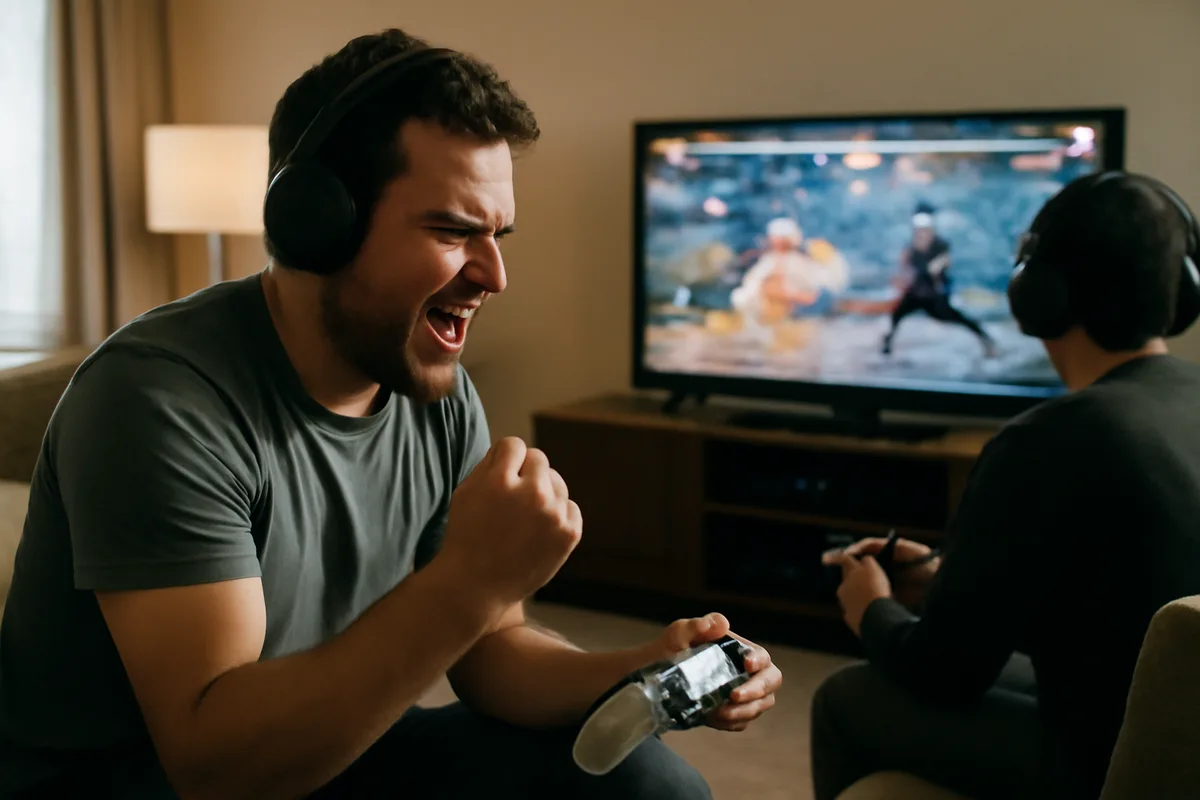
On PS5 I found matchmaking consistent and matches smooth, with full cross-play enabled between PS5 and PC. Rollback netcode is implemented, which keeps close exchanges feeling responsive. That said, early reports from the PC community indicate a range of connectivity problems that have not been as prominent on PlayStation.
The online hub is extensive: a social lobby for dozens of players, avatar customization, emotes and private rooms. It mirrors the social features seen in other modern Arc System Works titles and makes it easy to jump into ranked, casual, or private matches.
Presentation and audio
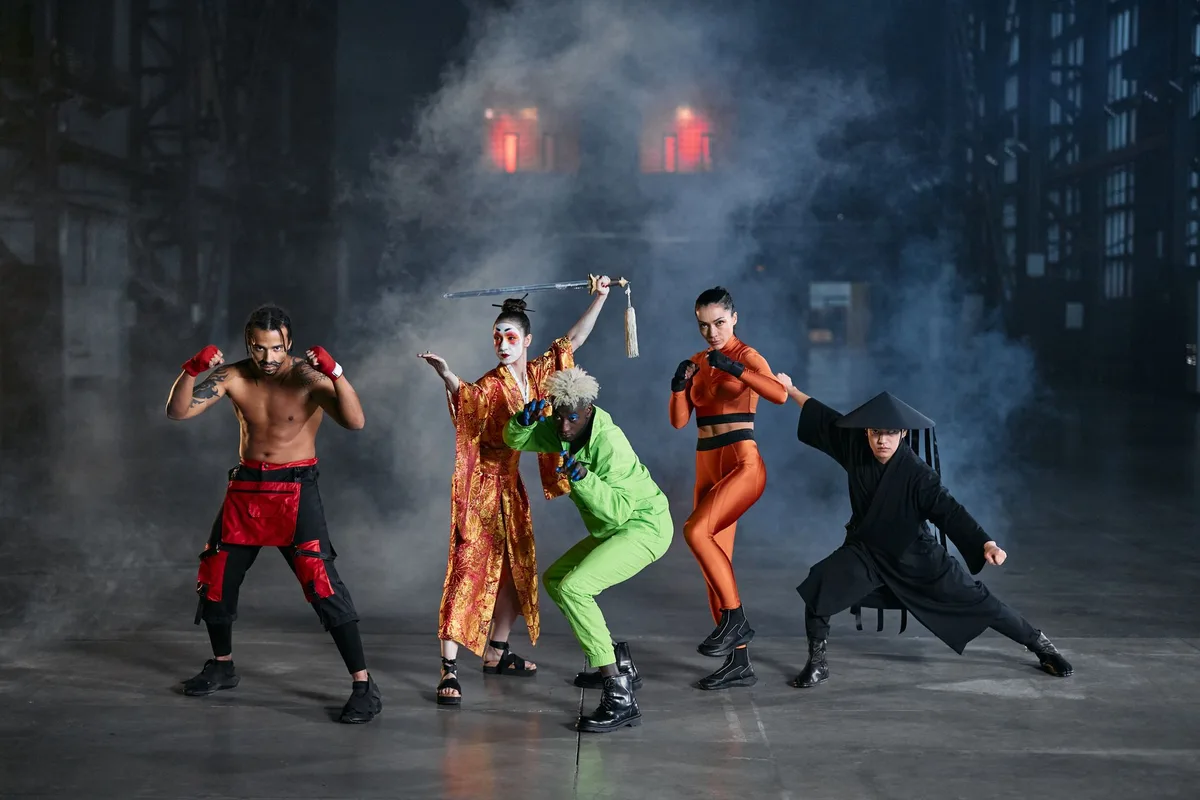
Graphically, the game leans into a high-energy anime aesthetic rather than a comic-strip look. Character models and stage transitions are polished, with smooth animations that emphasize impact—wall breaks, cinematic team moves and bursty particle effects all land with punch.
The soundtrack favors dramatic, guitar-driven tracks that fit Arc System Works’ sensibilities. Voice performance is competent across the cast, supporting the game’s cinematic moments without overshadowing gameplay.
Hands-on impressions and competitive outlook
For players who relish mechanical depth, Marvel Tōkon offers meaningful decision-making: when to spend gauges, which assists to call, and how to build momentum across a match. For newcomers, the Quick Skills and thorough tutorials provide a reliable on-ramp.
Whether it becomes a tournament mainstay depends on how the developers support balance and netcode over time. Year 1 plans include roster and stage additions, which is a standard cadence for modern fighting games and gives the title room to grow.
Quick pros and cons
- Pros: Original 4v4 design with a single health bar, striking visual presentation, accessible inputs, and rollback netcode on consoles.
- Cons: Early PC networking issues, story is functional but unsurprising, some modes feel like diversions rather than core competitive offerings.
Bottom line: Marvel Tōkon blends Arc System Works’ signature design with a fresh team concept. It’s strong enough to please fans and promising enough to merit a spot in the competitive rotation—provided online stability and balance patches continue to improve. For anyone who enjoys character-driven tag fighters, it’s worth playing now; for the esports crowd, it’s a title to watch as it matures.

Annabelle Ink is a gaming journalist and lifelong gamer who lives and breathes video game culture. From console releases to esports tournaments, this dedicated journalist brings insider knowledge and genuine enthusiasm to every review and feature. Her expertise spans multiple gaming platforms, helping readers discover their next favorite game while staying connected to the pulse of the gaming industry.