
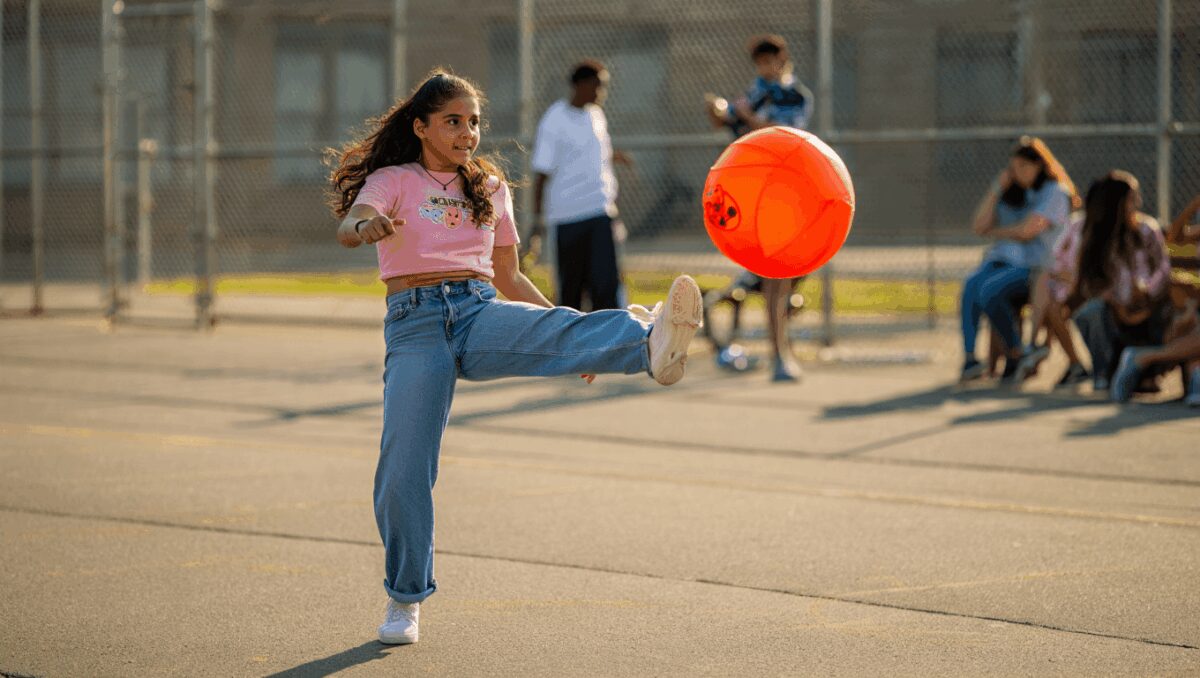
In recent weeks a small, soft relic of the 1990s has begun appearing again in schoolyards and on social feeds: the footbag, commonly called a hacky sack. What looks like a harmless nostalgia trend has grown into a visible youth pastime with knock‑on effects for retail, classrooms and how young people spend downtime.
Prime Day gaming deals drop early: save as much as 50% on Switch, PS5 and gaming PCs
Gears of War: E-Day delivers explosive over-the-top action for Xbox owners
Reports from independent sellers and social media posts suggest demand has climbed enough that some stores are seeing limited stock. The revival raises a simple question: why are teenagers rediscovering a toy built for passing, not for screens?
What’s driving the comeback
Gears of War: E-Day on PC gets Nvidia RTX Mega Geometry and stunning visual upgrade
Wordle Oct. 3 answer could wipe out streaks: how one tough word is tripping players
Part of the appeal is straightforward. Fewer gadgets, one‑to‑one interaction and the tactile satisfaction of keeping a small object in the air offer an antidote to endless scrolling. For many buyers the choice is practical — inexpensive, portable and easy to learn — and for others it’s explicitly nostalgic, a way to mimic activities older siblings or parents did at the same age.
Another catalyst is visibility. Short-form video platforms have amplified small group challenges and coordination tricks, turning simple skills into shareable moments. Local parks, gym classes and lunchtime circles have become staging areas for quick routines that translate well to 15‑ to 60‑second clips.
Why this matters now
At a basic level, a renewed interest in a retro toy is harmless. But the pattern reflects broader shifts in youth culture and buying habits.
Brick‑and‑mortar retailers and niche makers can expect ripple effects: inventory shortages, more handcrafted versions from small businesses, and higher prices for specialty designs. For schools and community groups, the trend offers an inexpensive, inclusive activity that doesn’t require technology or large space.
- Social habits: Small group play encourages face‑to‑face interaction and short bursts of physical activity.
- Retail impact: Supply constraints have pushed some shoppers toward independent makers and handmade crochet or themed sets.
- Online amplification: Short videos and challenges accelerate trends that begin in playgrounds or dorm courtyards.
- Wellness angle: Quick, low‑intensity movement can offer a brief break from screens and stress.
Other 90s throwbacks gaining traction
The hacky sack’s return sits alongside a broader revival of analog and retro items. Items surfacing in youth culture and resale markets include classic skill toys, simple outdoor games and accessories that pair well with group play.
These comebacks often follow a familiar arc: grassroots interest, viral clips, then a bump in retail orders. That sequence has already been visible this season with multiple retro items selling out in spots where demand has spiked.
What to watch next
Expect a few short‑term developments: local clubs or lunchtime groups may form around the activity; small makers will continue to offer handmade or themed footbags; and social platforms will keep surfacing new tricks and collaborative videos. Whether the trend becomes a lasting revival or a seasonal curiosity will depend on whether it sustains beyond the quick cycles of online content.
For now, the return of the hacky sack is notable because it illustrates how simple, low‑tech pleasures can reemerge quickly in a digital age — and how youth culture continues to reshuffle past and present into something new.

Annabelle Ink is a gaming journalist and lifelong gamer who lives and breathes video game culture. From console releases to esports tournaments, this dedicated journalist brings insider knowledge and genuine enthusiasm to every review and feature. Her expertise spans multiple gaming platforms, helping readers discover their next favorite game while staying connected to the pulse of the gaming industry.