
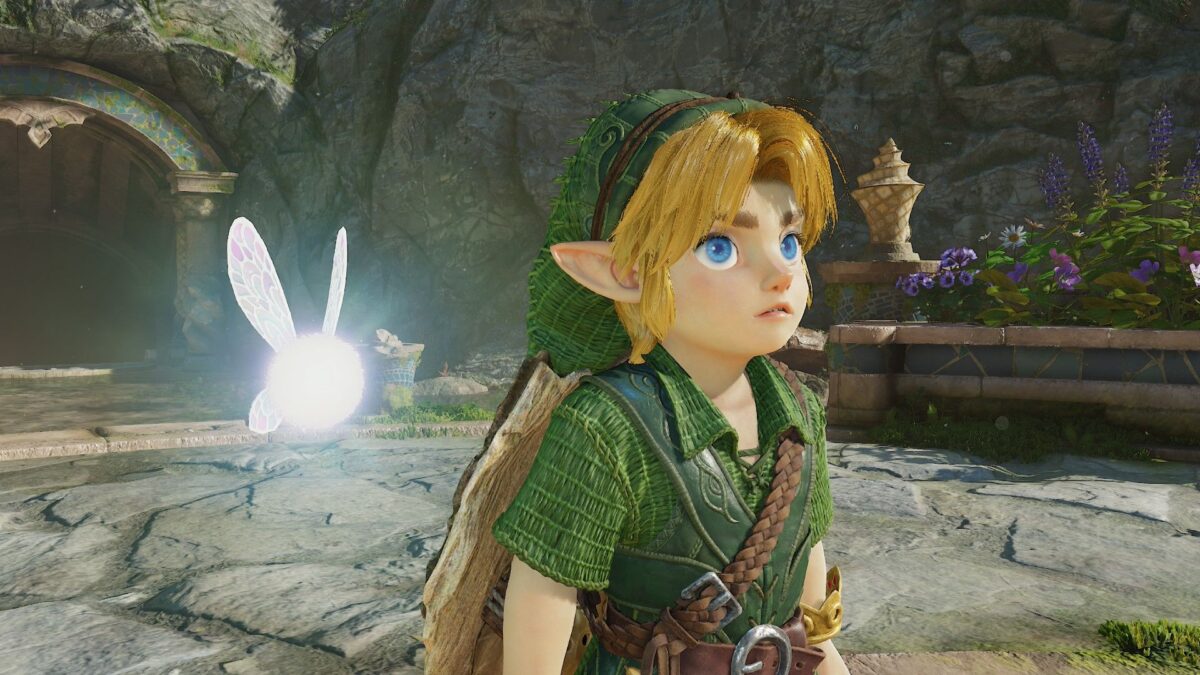
After publicly writing off older Zelda entries when Breath of the Wild first reset the series’ expectations, I returned to the franchise with fresh eyes — and a freshly released, visually overhauled remake of Ocarina of Time on the Nintendo Switch 2. Halfway through the game, I’ve found myself reconsidering what a modern Zelda can and should be.
Acer Predator Atlas 7 slashes memory prices: the best-value handheld of 2026
GTA 6 212 GB install: 5 quick PS5 and Xbox fixes before pre-load
My opinion shift isn’t just nostalgia. Over the past few years my tastes evolved — I even embraced games I once skipped — but the Switch 2 remake deserves credit for revealing why the classic formula still matters. It’s not merely faithful recreation; the remake clarifies how tightly designed challenges can offer a different, equally compelling kind of reward.
Why these dungeons still resonate
Nintendo Switch 2 bundle $50 off: early Black Friday deals now available
PC controllers 2026: 7 tested models that finally fix joystick drift
The opening of Ocarina is deliberate and slow: tutorial text and setup that ease you into the world. But once you collect the early quest items and move from Young Link to adult Link, the structure of the game changes in ways Breath of the Wild largely abandoned.
The heart of the appeal is the way each dungeon introduces a specific mechanic or tool and then forces you to use it creatively across a contained space. The Forest, Fire and Water areas present puzzles that loop back on themselves, so progression feels earned rather than incidental. The remake, in particular, smooths out earlier frustrations — the infamous Water Temple feels less like a slog and more like an elegant, layered puzzle now.
Those dungeons reward deliberate exploration. Hidden chests, optional rooms and interconnected corridors encourage players to return with new items, and that kind of design gives a satisfying sense of growth and discovery that the more fragmented shrine model doesn’t always deliver.
At the same time, I still love Breath of the Wild’s approach. Its shrines are brilliant, bite-sized puzzles that encourage experimentation and reward lateral thinking. They let players solve problems in multiple, emergent ways — something Ocarina’s more linear solutions rarely offer.
What a best-of-both-worlds Zelda could look like
There’s a clear opportunity for Nintendo to mix the freedom of modern Zelda with the precision of classic dungeon design. Imagine a wide, open Hyrule to explore that also hides a handful of long, meticulously crafted dungeons where tools are introduced gradually and puzzles scale in ambition.
One useful comparison is FromSoftware’s Elden Ring, which pairs a sprawling overworld with distinct, self-contained “Legacy Dungeons.” That hybrid structure keeps the sense of adventure alive while still delivering concentrated, high-stakes challenges.
- For players: A hybrid Zelda would offer both improvisational problem solving and the satisfaction of multi-stage dungeons that reward backtracking and mastery.
- For designers: Staggered tool progression inside structured dungeons creates meaningful pacing and long-term engagement without sacrificing open-world freedom.
- For the franchise: Blending these strengths could bridge divided fan expectations and extend replay value across different player types.
There are trade-offs. Ocarina’s remake, faithful to its 1998 roots, often funnels players toward a single intended solution; Breath of the Wild emphasizes player-driven creativity. Both approaches have distinct pleasures and both have lessons to offer future entries.
I don’t expect Nintendo to flip its design overnight. Tears of the Kingdom moved closer to experimentation but still didn’t fully recapture the classic dungeon cadence. Still, the Switch 2 Ocarina remake proves the old formula can shine again when modernized thoughtfully — and it makes a strong case for a future Zelda that borrows the best from both eras.
For now, I’ll keep playing through the remaining temples, revisit other classics I once dismissed, and hope the rumored Majora’s Mask remake — long a fan favorite — appears on Nintendo’s roadmap. If Nintendo blends exploration and crafted dungeon design in the next mainline 3D title, the result could satisfy longtime fans and newcomers alike.

Annabelle Ink is a gaming journalist and lifelong gamer who lives and breathes video game culture. From console releases to esports tournaments, this dedicated journalist brings insider knowledge and genuine enthusiasm to every review and feature. Her expertise spans multiple gaming platforms, helping readers discover their next favorite game while staying connected to the pulse of the gaming industry.