
Gears of War: E-Day delivers explosive over-the-top action for Xbox owners
Gears of War: E-Day on PC gets Nvidia RTX Mega Geometry and stunning visual upgrade
Onimusha: Way of the Sword is Capcom’s long-awaited return to a franchise dormant for two decades — and it arrives at a moment when the studio is already riding high in 2026. Released on September 4, the game matters because it shifts the company’s momentum into another classic-action, parry-focused experience that will appeal to long-time fans and newcomers looking for sharp, boss-driven combat.
| Title | Onimusha: Way of the Sword |
|---|---|
| Platforms | Nintendo Switch 2, PC, PlayStation 5 (reviewed), Xbox Series X/S |
| Price | US $69 · UK £64 · AU $107 |
| Release date | September 4, 2026 |
| Genre | Action |
| Developer | Capcom |
A franchise reboot tuned for modern players
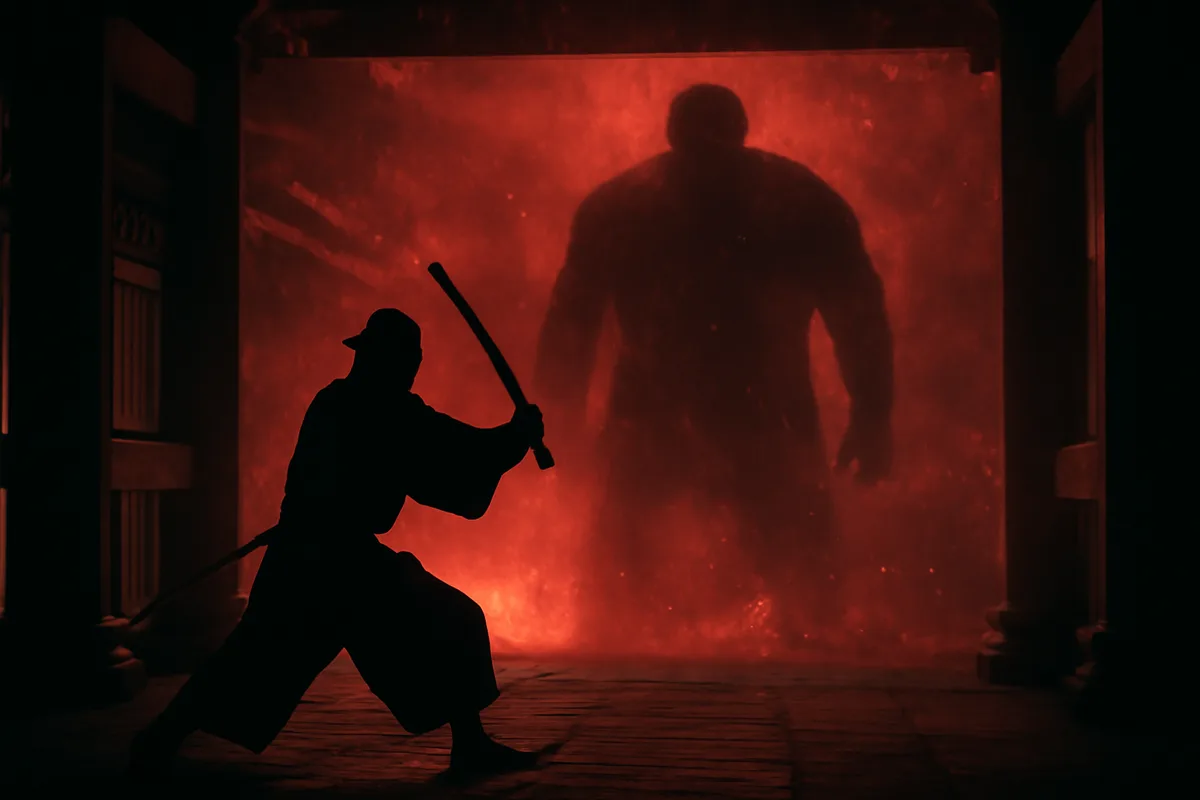
Capcom has rebooted Onimusha rather than trying to recapture the exact feel of the 2000s entries. You play Miyamoto Musashi — a samurai of the Edo period reborn with a strange gauntlet grafted to his arm — who confronts a spreading corruption blanketing Kyoto. The plot follows familiar heroic beats, but the script often leans into dry humor, and the villains are memorably unpleasant.
The English voice track can be uneven; switching to the Japanese audio instantly improves the atmosphere and makes character interactions more convincing. Even when the narrative never becomes exceptional, it’s compelling enough to push you forward because the gameplay delivers the most satisfying moments.
Combat built around timing and counters
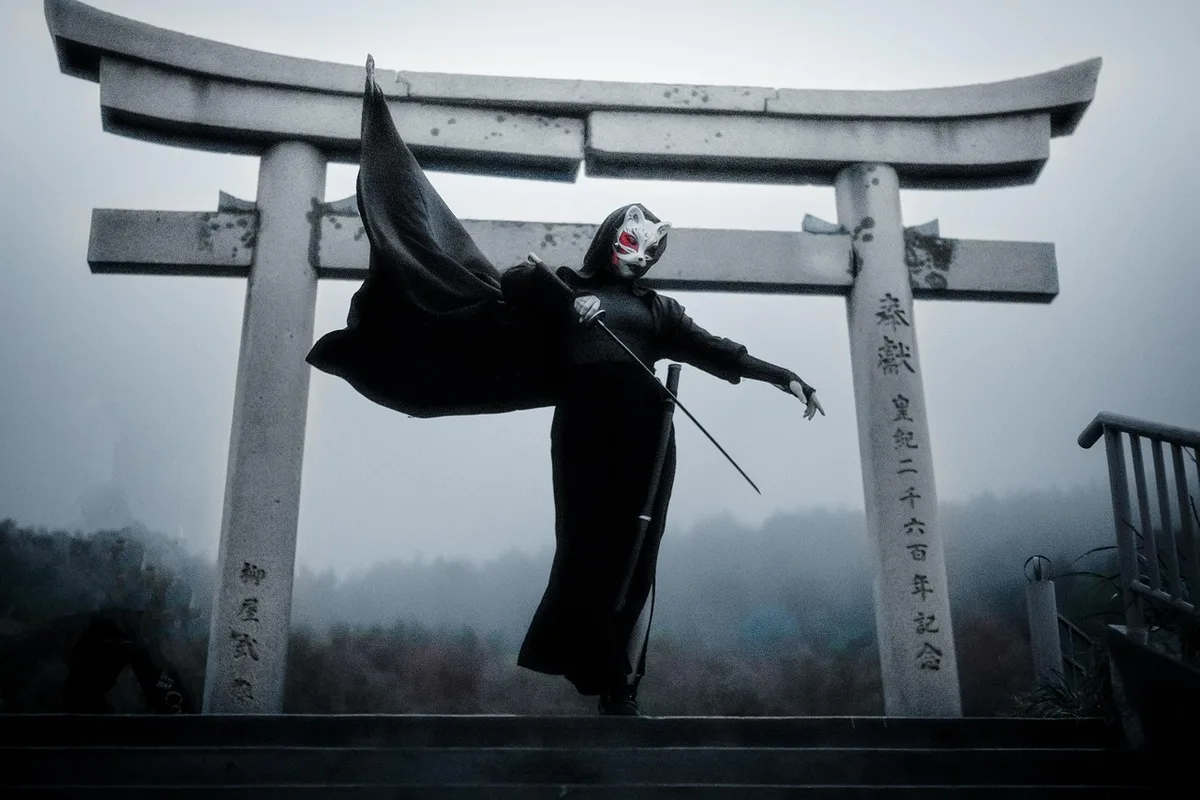
At its core, Way of the Sword emphasizes precise responses rather than flashy weapon-swapping. You primarily carry a katana for the entire journey, supported by secondary tools like a bow and the gauntlet’s powered abilities. This focus lets the combat feel tightly tuned: correct timing yields big openings, while mistakes are punished by quick, punishing counters.
- Parry-focused: parrying is central — block a strike at the right moment and you create an instant opportunity to strike back.
- Single-weapon design: the sword is the primary tool, with a small set of special attacks unlocked when your meter fills.
- Gauntlet powers: a temporary powered state enables devastating moves, including a spinning whirlwind attack that quickly becomes a favorite.
- Orb pickups: enemies drop colored orbs — yellow to heal, blue to charge the meter, red as currency for upgrades.
- Bow combat adds occasional ranged variety, useful for rooftop archers and specific boss mechanics.
These systems combine into moments that feel distinctly rewarding: a hard-fought boss win after learning attack patterns and timing parries delivers the same kind of satisfaction players praise in top parry-based action titles.
Bosses are the high point — and the test
Way of the Sword stacks its best content into boss encounters. There are many of them, some appearing back-to-back, and each typically demands you study attacks, react precisely, and use your full toolkit. On the default “Action” difficulty most bosses present a real challenge, often featuring two full health bars and varied phases that keep you engaged.

By contrast, regular enemy groups are forgiving. Standard mobs are often trivial if you rely on basic inputs, which creates a jagged difficulty curve: routine areas feel easy and occasionally repetitive, while boss fights can spike sharply in intensity. That imbalance may frustrate players who prefer steadier pacing.
Structure, length and progression
The main campaign runs roughly 20 hours and mixes story missions with an explorable Kyoto hub — neither fully open-world nor strictly linear. The city never becomes overwhelming, and the compact scope is a welcome change from many modern titles that demand dozens of hours.
Optional activities and side chores reward you with upgrade materials and currency, which matter because bosses scale in difficulty and can punish underpowered builds. Two skill trees offer meaningful choices, though many unlocked abilities feel situational rather than transformative.
The game borrows a few mechanics from Soulslike designs — checkpoint shrines that restore healing items, and stamina management mattering in fights — but it deliberately stops short of a full Souls experience: you don’t lose currency on death, and bosses can be retried immediately. You can also lower the difficulty at any time without penalty, making the experience more accessible.
Technical notes and atmosphere
On PS5 Pro the title runs smoothly at 60 fps and presents strong animations, especially during combat finishers and boss sequences. Visual work and level design shine at their best in set pieces such as palaces and an unsettling underground lab that ranks among the game’s most effective stretches.
The game’s tone oscillates between grim and occasionally comic, and while protagonists can feel flat at times, antagonist design — including twisted Genma creatures and a recurring corrupted rival — often steals the show.
Why this release matters now
After a busy year for Capcom — with multiple big releases already out in 2026 — Onimusha’s return reinforces the studio’s creative momentum and offers a concentrated, boss-forward action experience. For players who value tight, timing-based combat and clear, replayable encounters, it’s a timely package that reintroduces a classic series without demanding a massive time investment.
Verdict
Onimusha: Way of the Sword is not perfect. Recycled enemy types and an uneven difficulty curve hold it back at points. Still, its combat systems are finely tuned, boss set-pieces are frequently excellent, and the reboot captures the franchise’s spirit while making it accessible for newcomers.
For fans of parry-driven action and atmospheric boss fights, this is a strong return for Onimusha and another solid entry in Capcom’s 2026 slate.

Annabelle Ink is a gaming journalist and lifelong gamer who lives and breathes video game culture. From console releases to esports tournaments, this dedicated journalist brings insider knowledge and genuine enthusiasm to every review and feature. Her expertise spans multiple gaming platforms, helping readers discover their next favorite game while staying connected to the pulse of the gaming industry.