
Gears of War: E-Day delivers explosive over-the-top action for Xbox owners
Gears of War: E-Day on PC gets Nvidia RTX Mega Geometry and stunning visual upgrade
The handheld market is crowded in 2026 — from the Nintendo Switch 2 to high-powered PC-style portables — yet the Evercade Nexus is notable because it deliberately looks backward. Launched with retro collectors in mind and due in stores this October, the Nexus raises fresh questions about game ownership at a moment when major publishers are nudging players toward digital-only libraries.
A retro-first approach in a modern era
Wordle Oct. 3 answer could wipe out streaks: how one tough word is tripping players
Nintendo 135th anniversary deals: big discounts on Switch 2 games and Lego sets
At Gamescom 2026 I had hands-on time with the Evercade Nexus and spoke with Sean Cleaver, head of marketing at Blaze Entertainment. The conversation and the demo made one thing clear: this device is designed to celebrate physical media rather than chase raw processing power.
The Nexus doesn’t try to out-spec the Switch 2 or handheld PCs. Instead, it leans into a single, distinct proposition: a portable built around cartridges and the tactile experience of older consoles. That focus gives it a different kind of appeal — especially now, as the industry shifts toward subscriptions and digital licenses.
Design and controls
The Nexus adopts a restrained black finish that keeps the hardware understated. A small touch lets the logo under the screen glow in different colors, providing a subtle personalization option without flashy plastic. The handheld feels pleasantly weighted in the hand and the screen delivers bright, punchy colors — which helps older 2D and early 3D titles pop.
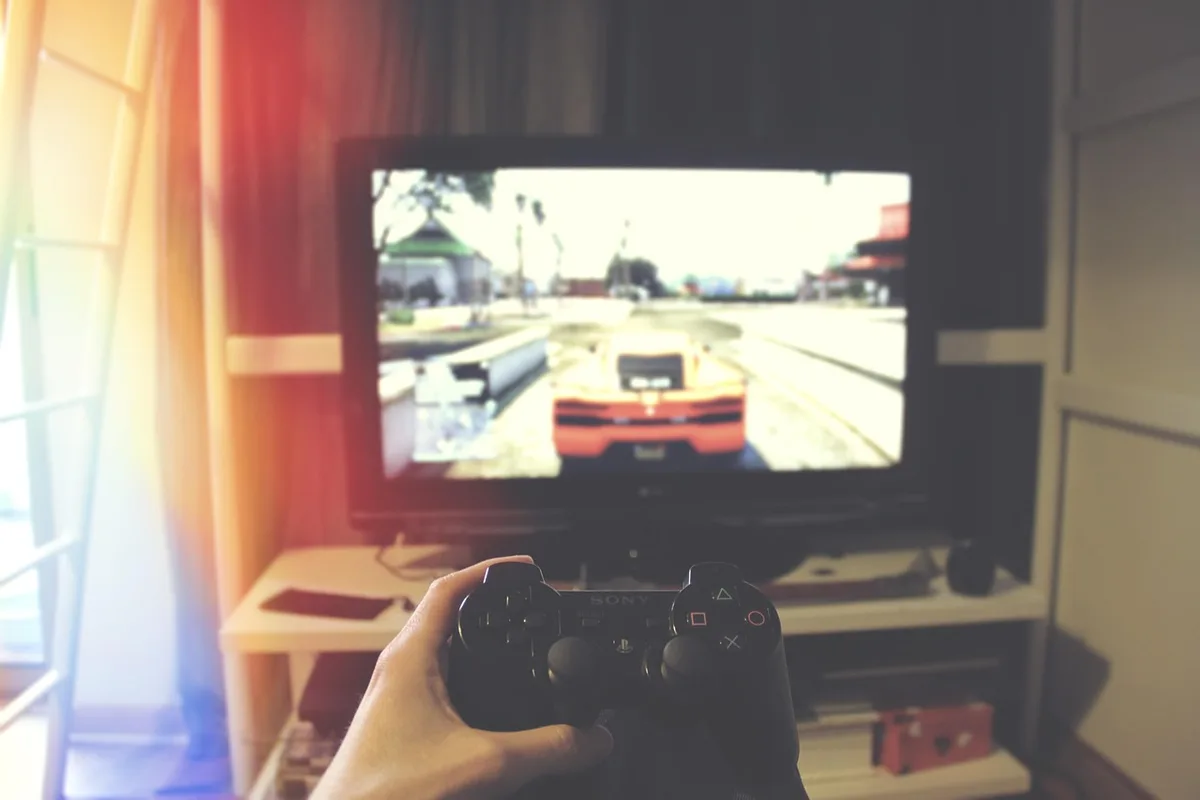
Controls are central to a retro device’s success. Evercade’s D-pad is firm and responsive, a must for titles originally built for directional pads rather than thumbsticks. The Nexus also introduces dual analogue sticks, a first for the line, widening compatibility with later-era games and collections.
Not everything was perfect in my short session: the shoulder triggers felt a touch sluggish compared with the rest of the controls. Still, the overall control layout and button feel leaned toward playability rather than gimmickry.
Features that matter
The Nexus blends old-school media with a few modern conveniences: wireless headphone support, stereo speakers, Wi‑Fi 6, and an AMOLED-bright 5.89-inch display. Evercade estimates around five hours of battery life — notably longer than some competing portables in real-world conditions.
One neat inclusion is Tate Mode, which rotates the screen for vertical arcade-style games so they run in their original orientation. That level of attention to preservation is rare in contemporary handhelds and speaks directly to the device’s target audience.
Cartridge-first library and ownership
Compatibility is a key selling point: the Nexus plays Evercade’s existing cartridges, which together span dozens of compilations and hundreds of titles. These collections mix well-known catalog names with curated indie releases pressed to physical cards.
There’s a larger industry context here. With companies increasingly emphasizing downloadable formats, Evercade’s cartridge model foregrounds an alternative: buying a complete game that you physically own, trade, or resell. For collectors and players who value permanence over ephemeral licenses, that distinction can be decisive.
- Bundled title: Banjo-Kazooie Double Pack included at launch.
- Play out of the box: Most cartridges require no downloads or activation.
- Curated library: Compilations from legacy publishers and modern indie releases.
Key specifications
| Specification | Detail |
|---|---|
| Screen | 5.89-inch IPS, high-brightness panel |
| Controls | Dual analogue sticks, tactile D-pad, shoulder buttons |
| Connectivity | Wi‑Fi 6, wireless headphone support |
| Battery life | About five hours (estimated) |
| Media | Cartridge-based (compatible with 70+ cartridges / 700+ games) |
| Price / Launch | $199 / £169 — shipping in October 2026 |
Pros and cons at a glance
- Pros: authentic cartridge ownership, solid D‑pad, bright display, thoughtful retro features like Tate Mode.
- Cons: triggers could be improved, battery life is modest compared with some high-end handheld PCs, not aimed at AAA performance.
Who should consider the Nexus?
If you prize physical collections, enjoy curated retro compilations, or simply want a straightforward handheld that emphasizes playability over raw specs, the Nexus is worth attention. It won’t replace a Switch 2 for hybrid play or a Steam Deck OLED for PC gaming, but it occupies a clear niche: a modern portable that preserves the feel of cartridge-era gaming.
For collectors and nostalgia-minded players, the Evercade Nexus represents more than hardware — it reinforces a model of ownership increasingly uncommon in 2026’s streaming-and-download landscape. That positioning makes it relevant now, not just as a novelty but as an argument for why tangible game collections still matter.

Annabelle Ink is a gaming journalist and lifelong gamer who lives and breathes video game culture. From console releases to esports tournaments, this dedicated journalist brings insider knowledge and genuine enthusiasm to every review and feature. Her expertise spans multiple gaming platforms, helping readers discover their next favorite game while staying connected to the pulse of the gaming industry.