
Gears of War: E-Day delivers explosive over-the-top action for Xbox owners
Gears of War: E-Day on PC gets Nvidia RTX Mega Geometry and stunning visual upgrade
Silent Hill: Townfall arrives as a clear turning point for the franchise — a game that reimagines the series’ core unease while delivering one of the most persistent, unsettling horror experiences of the current console generation. Released September 24, 2026, it’s already shaping conversations about how classic survival horror should evolve.
- Platforms: PC and PS5 (reviewed on PS5)
- Price: $49 / £44 / AU$69 (standard); Digital Deluxe available
- Release date: September 24, 2026
- Genre: Survival horror, first-person
- Developer / Partners: Screen Burn, Annapurna Interactive, Konami
Wordle Oct. 3 answer could wipe out streaks: how one tough word is tripping players
Nintendo 135th anniversary deals: big discounts on Switch 2 games and Lego sets
A new setting, an old dread
Townfall places you in the fogbound streets of St. Amelia, a fictional Scottish town in 1996. You play Simon Ordell, an outsider who arrives with no memory of having been there before — only to find evidence that others remember him.

The game leans on a slow-burn narrative: early hours raise questions through fragmentary clues and multiple viewpoints, and later sections deliver concrete answers. The payoff is measured rather than sensational, and the final act ties together the perspectives of Simon and two local figures in a way that feels deliberate and complete.
Threats you can’t always face head-on
Enemy encounters are as much about avoidance as confrontation. You start with improvised melee items and gain firearms later, but noise and limited health make direct fights risky.
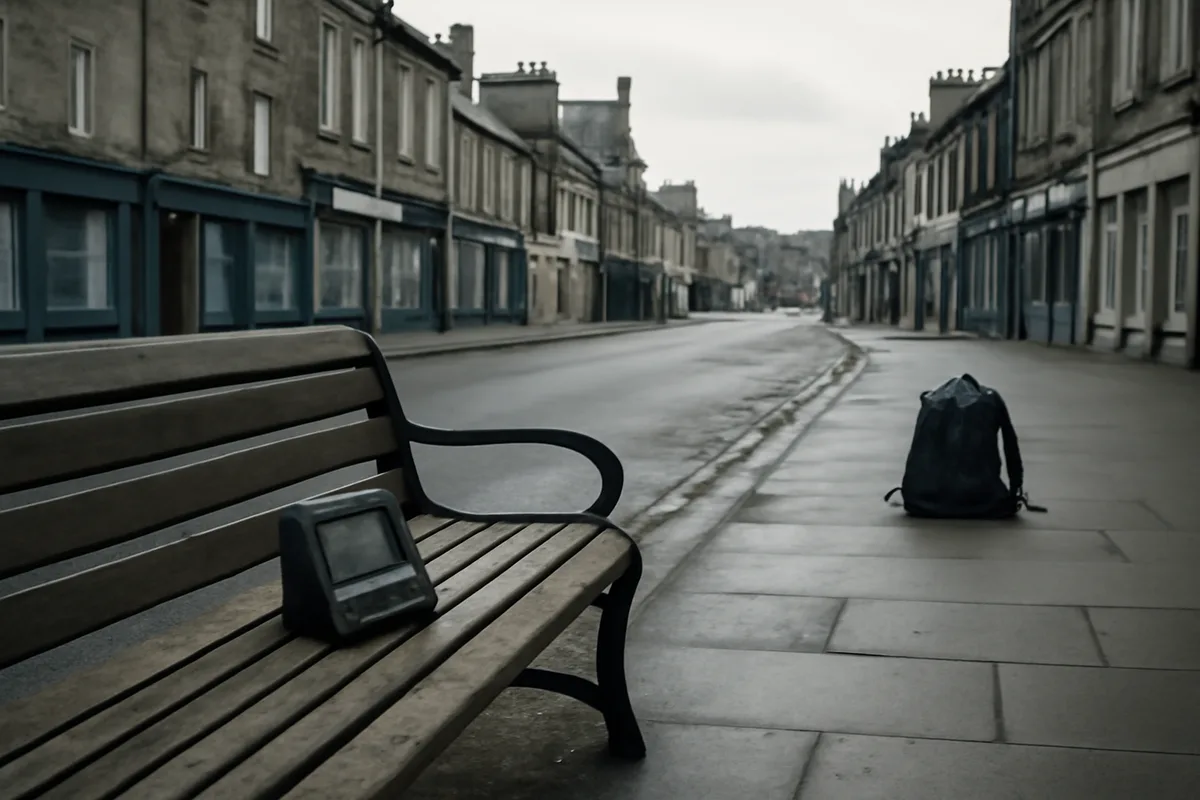
Stealth is central. A pocket-sized CRT device — a recurring gameplay tool — lets you scan for foes on a grainy display, intercept strange broadcasts and interact with several puzzles. That mechanic shapes almost every encounter, creating a tense rhythm of creeping, checking the device, and deciding whether to press forward or hide until danger passes.
Puzzle design that rewards close reading
Townfall adopts the classic exploration loop of older horror titles: large, initially inaccessible areas gradually open as you collect parts, keys and items. The satisfaction comes from turning a map dotted with locks into somewhere you can move through freely.
- Many puzzles are tactile and environmental, forcing you to examine rooms and notes closely.
- Some set-pieces combine combat and problem-solving, such as arranging collected items to bypass locked doors.
- On the downside, a late-game puzzle suffered from poor clarity and, in my playthrough, a bug that briefly blocked progress until a reload fixed it.
Audio-visual craft and the power of perspective
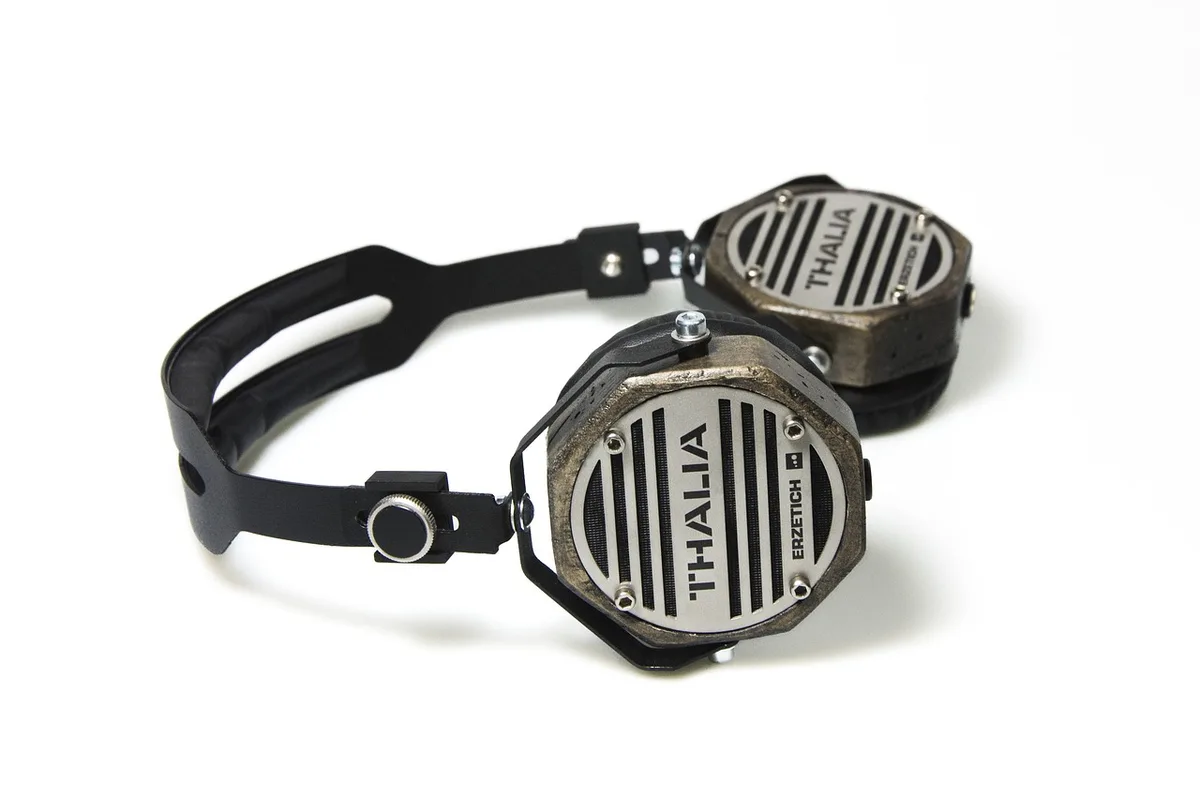
Graphically, Townfall frequently approaches photorealism; the fidelity only intensifies the horror. Sound design is especially effective — distant cries, mechanical hums and sudden shrieks are mixed to keep you on edge. Playing with headphones noticeably deepens the atmosphere.
The decision to present the game from a first-person viewpoint is integral. It narrows your field of vision and amplifies the sense of vulnerability; St. Amelia feels more intimate and claustrophobic than it would from a third-person camera.
Technical rough edges
Despite strong production values, the release is not flawless. I encountered frame-rate dips in intense sequences and at least one black-screen during a cutscene. The aforementioned puzzle bug was rare but significant. These issues don’t collapse the experience, but they are worth noting for players sensitive to stability.
How it stacks up and why it matters
Townfall is arguably the franchise’s most successful fresh entry since the early 2000s, and it represents a meaningful revival for Silent Hill as a major horror brand. Its blend of methodical pacing, investigative storytelling and stealth-focused encounters positions it alongside modern horror benchmarks while remaining unmistakably connected to the series’ roots.
Design choices — from the handheld CRT to the first-person framing — are not gimmicks but core systems that shape both atmosphere and gameplay. The game also includes multiple endings (five in total, two gated behind New Game+), which gives players tangible reasons to revisit St. Amelia.
Verdict
Silent Hill: Townfall delivers a potent, often disturbing survival horror experience that will appeal to long-time fans and newcomers who appreciate slow-burning tension. Its story resolves more than it teases, the puzzles mostly satisfy, and the encounters frequently produce genuine dread. Minor technical flaws and the occasional clumsy combat moment keep it from perfection, but they do not diminish the game’s overall achievement.
- Strengths: Immersive atmosphere, compelling narrative arc, standout sound design, effective use of first-person perspective.
- Weaknesses: Occasional bugs and performance dips, awkward melee combat, one poorly explained late puzzle.
- Who should play: Players seeking an intense, story-driven survival horror, and anyone curious about the modern direction of Silent Hill.
In short: Silent Hill: Townfall reclaims the series’ capacity to unsettle and linger in the mind — a reminder that well-built atmosphere and careful pacing still define great horror games.

Annabelle Ink is a gaming journalist and lifelong gamer who lives and breathes video game culture. From console releases to esports tournaments, this dedicated journalist brings insider knowledge and genuine enthusiasm to every review and feature. Her expertise spans multiple gaming platforms, helping readers discover their next favorite game while staying connected to the pulse of the gaming industry.