
Lord of the Rings quiz: 30 brutal questions only true fans can ace
Magic the Gathering faces Universes Beyond challenge: keeping color identity intact
Spider-Man: Brand New Day opened to a startling box-office haul — roughly $1.155 billion worldwide in its first week — and is already the top-grossing film of 2026. That runaway commercial success matters because the release is also being used as a test case for theatrical formats, including the first feature intentionally filmed for ScreenX, a format that may change what audiences choose to pay extra for at the cinema.
Which versions are showing in cinemas
Outlander star reveals jarring season 2 opener that left cast exhausted
Keegan and Booth recommend what to watch after The Blame: it mirrors police misogyny
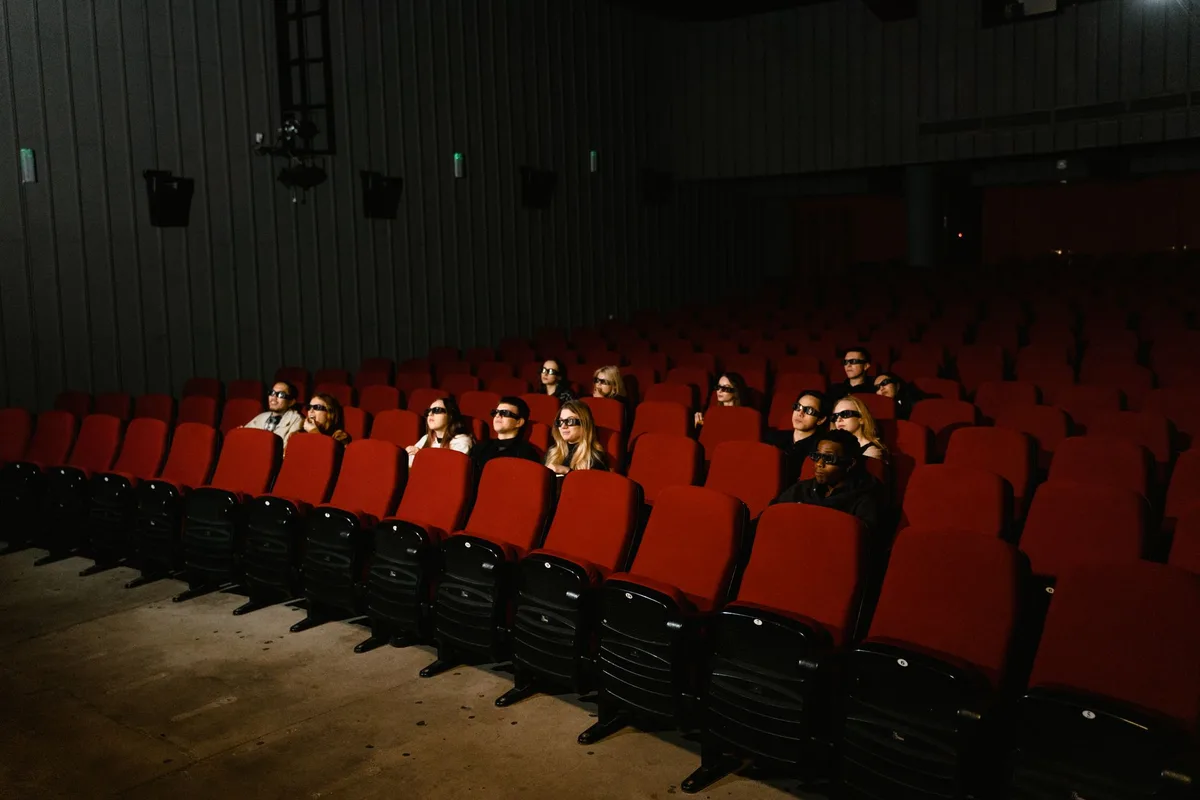
Moviegoers now face more choices than ever. Depending on where you live and how much you want to spend, Brand New Day is available in a range of presentation styles:
- Standard DCP — 2D and 3D digital cinema packages
- IMAX — large-format screens and sometimes expanded aspect ratios
- Premium large-format options (sold under names like RPX or Superscreen)
- 4DX and 4DX 3D — motion seats with environmental effects
- Dolby Cinema — HDR picture and immersive sound
- ScreenX — multi-projection panoramic screens
What is ScreenX?
ScreenX uses additional projectors to spill the image onto the auditorium’s side walls, creating an extended, roughly 270-degree field of view. It’s not motion-based like 4DX; instead it aims to broaden the visual field so peripheral action can be included in the frame. There are several hundred ScreenX auditoriums worldwide, so availability varies — you might have to travel to a larger city to find one.

How ScreenX performed for this Spider-Man
The notable point about this release is that Brand New Day was shot with ScreenX in mind, making it the first feature-length film specifically produced for the format. That sounded promising on paper: a movie built to take advantage of a wider canvas.
In practice, the effect is inconsistent. The 270-degree sequences are striking at first, but they come and go. Frequent switches back to the conventional flat screen felt disruptive rather than enhancing, breaking the visual rhythm and sometimes pulling attention away from what was happening on screen. When the panoramic projection returns it rarely sustains long enough for that wider composition to feel integral to the storytelling.
Another unexpected issue was comfort. For some viewers, including myself, the peripheral imagery increased a sense of disorientation. I felt more queasy in ScreenX than I typically do in 4DX — which is counterintuitive given that 4DX actively moves and simulates motion. Personal tolerance will vary, but it’s a definite factor to weigh before paying more for a ticket.
Where ScreenX succeeds — and where it falls short
There are moments where the wider frame adds texture to background action or gives a stronger sense of the cityscape, and those shots work well. But the format rarely carries this benefit through a full sequence. When used sparingly, ScreenX reads like a novelty window rather than a committed cinematic choice.
If filmmakers plan to design movies around side-wall projections, they need to decide: either embrace the format throughout or avoid it altogether. Half-measures — sprinkling a few panoramic scenes through a largely standard edit — risk making the technology feel like an afterthought.
Prices — what it costs to pick a format
Ticket prices vary widely by country and chain. Below are representative examples to help you compare the outlay for different screenings.
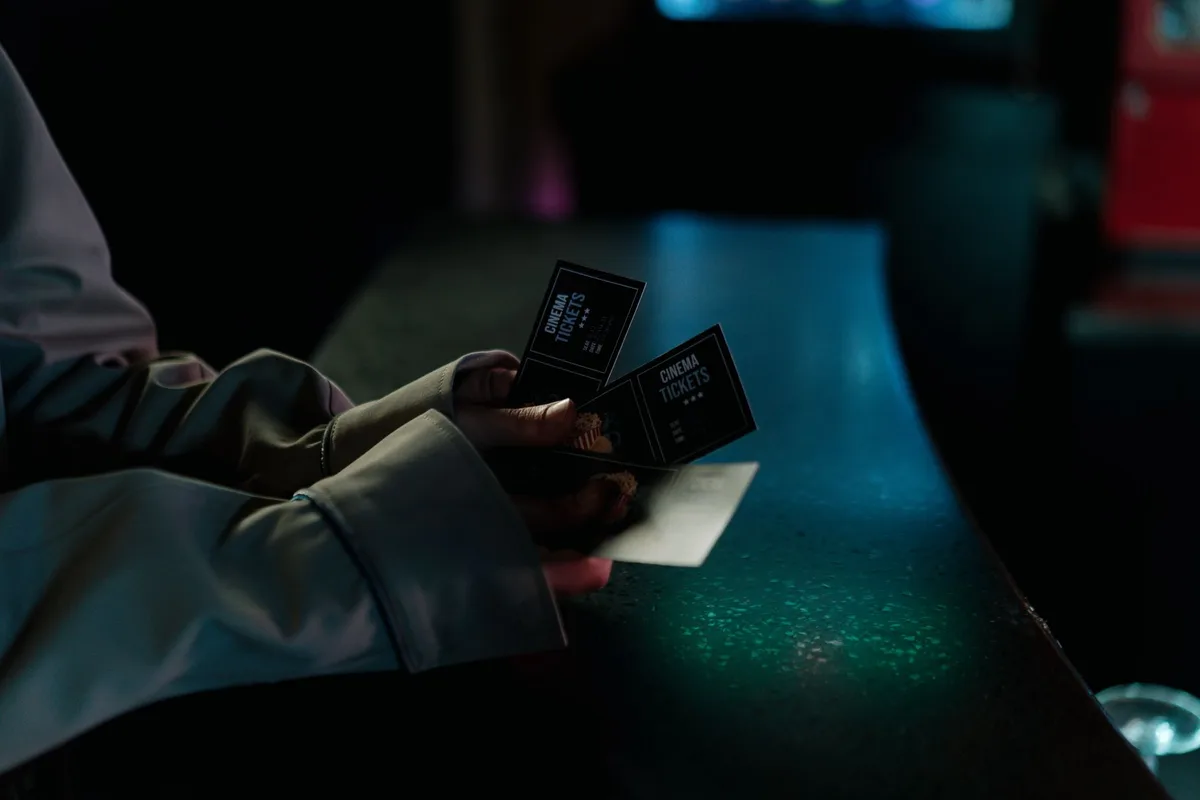
- United Kingdom (approximate non-member prices): Standard £16.99; Superscreen £20.99; ScreenX £21.99; 4DX 3D £30.99 (plus a small charge for 3D glasses)
- UK membership uplift example: Standard & Superscreen — no extra fee; ScreenX uplift about £4; 4DX 3D uplift about £6
- United States (approximate): Standard $16–$20; RPX $23–$27; IMAX ~$27; ScreenX ~$29; 4DX 3D ~$33
So, should you see Brand New Day in ScreenX?
Short answer: not necessarily. If your priority is pure visual spectacle that physically immerses you — and you don’t mind paying a premium — a 4DX 3D screening is likely to give a more visceral thrill, particularly for flying or action-heavy moments. If you value image scale and a steady, uncompromised picture, full-length IMAX presentations (where available) remain a better fit.
That said, ScreenX is still an intriguing experiment. It signals studios and exhibitors are looking for new ways to differentiate the theatrical experience from home viewing. But an experimental approach like this raises a practical question for audiences and cinemas alike: who pays for novelty that doesn’t always add clear value?
For future releases, the lesson seems straightforward — if a studio invests in shooting for an alternative projection style, make it a decisive creative choice. Otherwise the format can slip into gimmick territory, and audiences will vote with their wallets: premium formats must deliver a noticeably different, sustained experience to justify higher prices.
For now, if you’re planning to see Brand New Day, pick your format based on what you want out of the outing — comfort and widescreen vistas (IMAX or Dolby), sensory thrills (4DX), or a curiosity-driven experiment (ScreenX). Each offers a different promise; not all of them are equally fulfilled here.

Jessica Morrison is a seasoned entertainment writer with over a decade of experience covering television, film, and pop culture. After earning a degree in journalism from New York University, she worked as a freelance writer for various entertainment magazines before joining red94.net. Her expertise lies in analyzing television series, from groundbreaking dramas to light-hearted comedies, and she often provides in-depth reviews and industry insights. Outside of writing, Jessica is an avid film buff and enjoys discovering new indie movies at local festivals.