
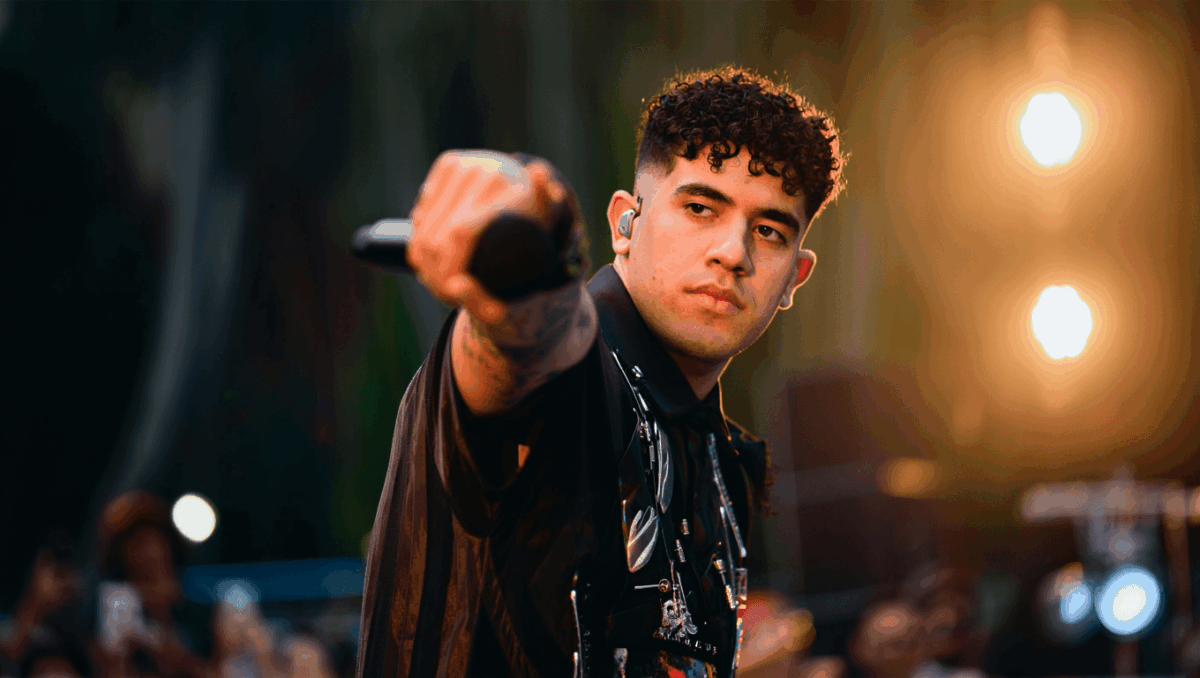
Bad Bunny’s Super Bowl performance sparked heated debate about citizenship. The truth: he’s a U.S. citizen by birth. His Puerto Rican roots don’t change his legal American status. Here’s the full story behind the confusion.
🔥 Quick Facts
- Born in Puerto Rico: March 10, 1994, in Bayamón, making him a built-in U.S. citizen
- Jones-Shafroth Act: Granted citizenship to all Puerto Ricans in 1917 under federal law
- Super Bowl 60: Performs February 2, 2026, at Levi’s Stadium in Santa Clara, California
- Citizenship Status: Yes, fully American. U.S. passport holder with full citizenship rights
Yes, Bad Bunny is a U.S. Citizen
ITV’s Michelle Keegan drama exposes police misogyny with real messages: opening cut
Lord of the Rings quiz: 30 brutal questions only true fans can ace
Bad Bunny, born Benito Antonio Martínez Ocasio, is absolutely a U.S. citizen. This isn’t a gray area or political question. Federal law is crystal clear. Every person born in Puerto Rico after 1917 holds automatic U.S. citizenship, regardless of where they live or what language they speak. The 31-year-old reggaeton superstar was born on the island in 1994, making him an American from birth. No naturalization process. No visa needed. Just automatic citizenship status, the same as anyone born in the 50 states.
Some online critics have questioned or even denied his citizenship status. Conservative commentators claimed otherwise before the issue exploded into a national discussion. These claims are factually wrong. Puerto Ricans are Americans. Language, culture, or music preference never determines citizenship. The law is the law.
The Law Behind the Citizenship Question
Magic the Gathering faces Universes Beyond challenge: keeping color identity intact
Outlander star reveals jarring season 2 opener that left cast exhausted
Understanding Bad Bunny’s citizenship requires knowing Puerto Rico’s unique history. After the Spanish-American War in 1898, the United States took control of the island from Spain. For decades, residents had unclear legal status. Then in 1917, President Woodrow Wilson signed the Jones-Shafroth Act. This landmark legislation granted U.S. citizenship to all Puerto Ricans. It happened more than 100 years ago. Bad Bunny arrived 77 years after this law passed.
The Jones-Shafroth Act wasn’t generous. It forced Puerto Rico to adopt new government structures and made English the official language (a decision Puerto Ricans overturned in 2015). The act also drafted 20,000 Puerto Ricans into World War I immediately after granting citizenship. Still, it established the legal framework that makes Bad Bunny a U.S. citizen by birthright. This is not debatable in court. The State Department, the Federal Court system, and the Library of Congress all confirm this fact.
Puerto Rico’s Strange Political Status
| Status Factor | Puerto Rico Details |
| Citizenship Rights | U.S. citizens by law since 1917 |
| Political Status | Unincorporated territory, not a state |
| Federal Representation | No voting power in presidential elections |
| Latest Plebiscite (2024) | 58 percent voted for statehood option |
Puerto Rico sits in a legal middle ground. It’s a U.S. territory, not a state. Residents are American citizens, but the island has limited autonomy. The Supreme Court’s Insular Cases from 1901 created this odd arrangement. The Court ruled that Puerto Rico belongs to the U.S. but isn’t fully part of it. This colonial framework persists today. Puerto Ricans cannot vote for president. They lack full constitutional protections. Congress maintains authority over island policy. Yet they’re undeniably American citizens.
Why This Question Matters Today
Bad Bunny’s Super Bowl performance sparked outrage in certain political circles. Some called for his deportation, unaware he already lives in his home country. Others questioned his patriotism because he sings in Spanish and champions Puerto Rican independence. During his Grammy acceptance speech, he declared, “We are not aliens, we are not animals, we are humans, and we are Americans.” His unapologetic stance on immigration rights and criticism of ICE enforcement made him a target for those opposing immigration reform. But none of that changes his legal status.
The controversy reflects deeper confusion about what it means to be American. Bad Bunny’s identity as Puerto Rican doesn’t erase his U.S. citizenship. His support for independence movements doesn’t invalidate his passport. Cultural pride and legal citizenship coexist. This is true for millions of Americans from diverse backgrounds. The attempt to question Bad Bunny’s legitimacy reveals assumptions about who gets to be considered truly American.
What Does Bad Bunny’s Citizenship Mean for the Super Bowl?
Bad Bunny performs at the Super Bowl 60 halftime show on February 2, 2026, at Levi’s Stadium in Santa Clara, California. He’s fully authorized to work anywhere in the United States as an American citizen. No special permits. No visa. He doesn’t need permission from immigration authorities. In 2025, he notably avoided mainland U.S. tour dates, citing concerns about ICE enforcement affecting his Latino fans. Yet he accepted the Super Bowl invitation anyway. His Spanish-language performance will reach millions. The halftime show has become a symbol of deeper national divisions over immigration, cultural identity, and belonging. Bad Bunny’s citizenship doesn’t settle these political debates. But it does establish one legal fact: he has the same American status as everyone else born under the U.S. flag.
“Being a Puerto Rican, it means everything. It’s what I am. And it feels good to be one more artist representing the island.”
— Bad Bunny, Billboard Interview, 2018
Sources
- Sporting News: Comprehensive fact-check on Puerto Rico citizenship and Bad Bunny’s legal status
- Washington Post: Immigration divide coverage around Super Bowl halftime performance
- Library of Congress: Historical documentation of Jones-Shafroth Act and Puerto Rico governance

Jessica Morrison is a seasoned entertainment writer with over a decade of experience covering television, film, and pop culture. After earning a degree in journalism from New York University, she worked as a freelance writer for various entertainment magazines before joining red94.net. Her expertise lies in analyzing television series, from groundbreaking dramas to light-hearted comedies, and she often provides in-depth reviews and industry insights. Outside of writing, Jessica is an avid film buff and enjoys discovering new indie movies at local festivals.